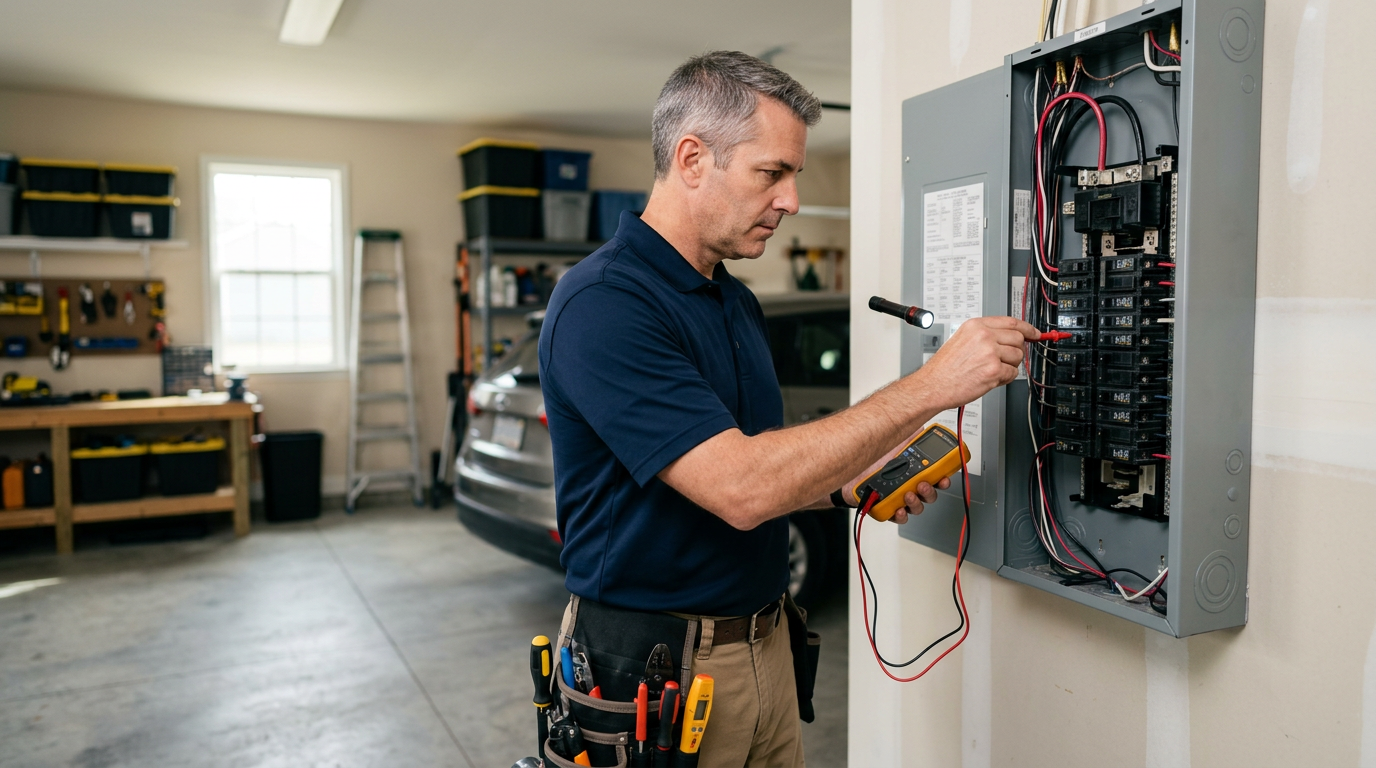
Ground Fault Circuit Interrupter (GFCI) outlets are indispensable safety devices in modern homes, specifically engineered to prevent serious injury or electrocution from ground faults. Unlike standard outlets that protect against overcurrents, GFCIs continuously monitor the electrical current flowing through a circuit. If they detect an imbalance – indicating that electricity is escaping the circuit, potentially through a person – they trip, cutting off power almost instantaneously. This rapid response is crucial in areas where water and electricity might mix, significantly reducing the risk of electrical shock. For homeowners, prospective buyers, and real estate professionals, understanding GFCI functionality, proper installation, and maintenance is not just about compliance; it’s about safeguarding lives.
Understanding GFCI Outlets: What an Inspector Looks For
A professional home inspection meticulously evaluates the electrical system, and GFCI protection is a critical component of that assessment. An inspector’s role is to observe the presence, condition, and apparent functionality of these devices in accessible areas, noting any deficiencies without performing invasive diagnostics or guaranteeing code compliance.
Key Inspection Points for GFCI Outlets:
- Location Requirements: Inspectors verify the presence of GFCI protection in all areas mandated by current building codes, which typically include kitchens (within 6 feet of a sink), bathrooms, garages, unfinished basements, crawlspaces, laundry areas, wet bar sinks, and all exterior outlets. While older homes may not have been built to current standards, any modifications or new installations should adhere to contemporary requirements.
- Functionality Testing: Each accessible GFCI receptacle is tested using its built-in ‘TEST’ and ‘RESET’ buttons. A functional GFCI should trip (cut power) when the ‘TEST’ button is pressed and restore power when ‘RESET’ is pressed. Inspectors may also use a dedicated GFCI receptacle tester to confirm proper wiring (e.g., correct polarity, ground presence) and trip functionality.
- Physical Condition: The inspector observes the physical state of the GFCI outlets for signs of damage such as cracks, discoloration from overheating, loose fit in the wall, or missing cover plates.
- Downstream Protection: In some cases, a single GFCI device can protect multiple standard outlets located ‘downstream’ on the same circuit. While an inspector may note this configuration, confirming the protection of all downstream outlets without specialized equipment or extensive circuit tracing is beyond the scope of a standard visual inspection.
Technical Considerations and Practical Evaluation
The National Electrical Code (NEC), updated every three years, dictates where GFCI protection is required. While home inspectors do not enforce code, they report on conditions that may indicate a safety hazard or a deviation from generally accepted safety practices, often referencing current standards as a benchmark for modern safety. For instance, an inspector will note if a bathroom built in 1980 lacks GFCI protection, even if it was code-compliant at the time of construction, because it represents a current safety deficiency by today’s standards.
When testing, a GFCI that fails to trip indicates a severe safety hazard, as it will not protect against a ground fault. Conversely, a GFCI that trips but won’t reset could indicate a fault on the circuit it protects, or the GFCI itself may be faulty. Nuisance tripping, where a GFCI trips frequently without an apparent ground fault, can be caused by faulty appliances, transient voltage spikes, or an aging GFCI unit.
Common Defects, Red Flags, and Repair Implications
During an inspection, several GFCI-related issues can emerge, each carrying specific implications for safety and potential repair.
Defects and What They Indicate:
- Missing GFCI Protection: The most common finding. Absence of GFCIs in required wet locations (kitchens, bathrooms, outdoors, garages, unfinished basements) significantly increases the risk of electrocution. This is a primary safety concern.
- Non-Functional GFCI: If a GFCI outlet fails to trip when tested, it offers no protection. This could be due to internal failure of the device, improper wiring, or an open ground condition. It requires immediate attention.
- Damaged GFCI Receptacle: Cracks, burn marks, or loose components indicate physical damage or potential overheating. Such outlets are unreliable and unsafe.
- Improper Wiring: While inspectors don’t open outlets, a GFCI tester can reveal wiring issues like reverse polarity (hot and neutral wires swapped) or an open ground. These conditions compromise the safety and effectiveness of the electrical system, even if the GFCI appears to function.
- Nuisance Tripping: While not always a ‘defect’ of the GFCI itself, frequent, unexplained tripping can be a symptom of an intermittent ground fault in an appliance or wiring, or an aging GFCI that has become overly sensitive. It warrants investigation.
Why These Matter:
These defects are not merely cosmetic; they represent direct threats to occupant safety. Electrical shock can cause severe injury, burns, or death. The Consumer Product Safety Commission (CPSC) emphasizes the importance of GFCI protection in preventing such tragedies. Addressing these issues promptly is paramount for the safety of the home’s occupants.
Common Homeowner Mistakes Obstructing GFCI Inspection
Homeowners often inadvertently create conditions that can limit the thoroughness of a GFCI inspection. Being aware of these can help ensure a comprehensive evaluation:
- Blocked Access: GFCI outlets, especially in garages, basements, or utility areas, are often obscured by storage, furniture, or appliances. Inspectors cannot move personal belongings, so inaccessible outlets cannot be tested.
- Unpowered Circuits: If power to certain areas (e.g., outdoor outlets, garage) is turned off at the electrical service panel, GFCIs cannot be tested for functionality.
- Ignoring Nuisance Tripping: If a GFCI frequently trips, homeowners might reset it without investigating the cause, potentially masking a serious underlying electrical issue.
- DIY Installation Without Expertise: Attempting to install or replace GFCIs without proper electrical knowledge, turning off power, or understanding wiring configurations can lead to dangerous errors, including reverse polarity or improper grounding, which compromise safety.
- Lack of Regular Testing: GFCIs are mechanical devices that can fail over time. Not testing them monthly means a homeowner might be unaware that their protection has ceased to function.
Repair Cost vs. Benefit & Negotiation
Addressing GFCI-related issues before a home inspection can significantly benefit sellers and provide peace of mind for buyers. The cost of replacing or installing GFCI outlets is generally low compared to many other home repairs, yet the safety benefit is immense.
- Benefit for Sellers: Proactively replacing non-functional GFCIs or adding them to currently unprotected, required areas demonstrates diligence and care for the property. This can lead to a smoother inspection process, fewer findings on the report, and potentially fewer repair requests or price concessions from buyers. It also reduces liability.
- Benefit for Buyers: A home with properly installed and functional GFCIs offers immediate enhanced safety, reducing the need for post-purchase electrical work.
- Cost Considerations: Replacing a single GFCI receptacle typically costs between $75 and $150 for parts and labor, assuming existing wiring is adequate. Adding new GFCI protection to a circuit that lacks it, or replacing a standard breaker with a GFCI breaker in the electrical panel, can be more involved and costly, potentially ranging from $150 to $300+ per device, depending on complexity and location.
- Negotiation Implications: While minor GFCI issues might not derail a sale, a pattern of neglected electrical safety can raise red flags for buyers, leading to requests for significant credits or professional electrical evaluations, which can slow down or complicate negotiations.
Repair & Specialist Guidance
While some basic GFCI maintenance can be performed by a diligent homeowner, most repairs and installations should be handled by a qualified professional.
- Homeowner Actions: Homeowners can safely test GFCIs monthly using the built-in test button. If comfortable and knowledgeable about electrical safety, a homeowner might replace a physically damaged GFCI receptacle with a new one of the same type, ensuring the main power is OFF at the breaker panel before starting work.
- When to Call a Licensed Electrician: A licensed electrician should always be consulted for:
- Any non-functional GFCI that fails to trip or reset.
- Persistent nuisance tripping.
- Installation of new GFCI outlets in areas lacking protection.
- Addressing improper wiring (e.g., reverse polarity, open ground).
- Replacing standard circuit breakers with GFCI breakers in the electrical service panel.
- Any electrical work where the homeowner is unsure or uncomfortable.
Electrical work carries inherent risks, and improper installations can lead to fire, shock, or damage to appliances. Always prioritize safety and professional expertise.
Printable Home Inspection Checklist: GFCI Outlets
Use this actionable checklist to assess and prepare your home’s GFCI outlets:
- Identify Required Locations: Walk through your home and identify all areas that should have GFCI protection: bathrooms, kitchens (within 6 ft of sink), garages, unfinished basements, crawlspaces, laundry rooms, wet bar sinks, and all exterior outlets.
- Ensure Accessibility: Clear any obstructions (furniture, storage, appliances) from around all GFCI outlets and the main electrical service panel.
- Test Each GFCI: For every GFCI outlet, press the ‘TEST’ button. The outlet should click and lose power. Then, press the ‘RESET’ button. The outlet should click again and restore power.
- Check Physical Condition: Visually inspect each GFCI for cracks, burn marks, loose fit, or missing cover plates.
- Verify Downstream Protection (if applicable): If a single GFCI protects multiple outlets, ensure all downstream outlets lose power when the GFCI is tripped.
- Note Any Failures: Make a list of any GFCI outlets that fail to trip, won’t reset, are physically damaged, or are missing in required locations.
- Address Nuisance Tripping: If any GFCI trips frequently without cause, note its location.
- Consult a Professional: For any identified issues, especially non-functional GFCIs, missing protection, or persistent tripping, schedule an appointment with a licensed electrician.
Frequently Asked Questions (FAQ)
- What areas in my home absolutely require GFCI protection?
- Generally, GFCI protection is required for all 120-volt, single-phase, 15- and 20-ampere receptacles installed in bathrooms, garages, crawl spaces, unfinished basements, outdoors, kitchen countertops, laundry areas, wet bar sinks, and within 6 feet of any sink. Requirements can vary slightly based on local codes and the age of the installation, but these are the common areas.
- How often should I test my GFCI outlets?
- The Consumer Product Safety Commission (CPSC) recommends testing GFCI outlets monthly. This ensures they are functioning correctly and will provide protection when needed.
- Can I install a GFCI outlet myself?
- While a homeowner with electrical knowledge can replace a standard outlet with a GFCI or replace an existing GFCI, it requires turning off power at the main panel and correctly wiring the device. Improper installation can create serious hazards. For new installations, complex wiring, or if you are unsure, it is always best to hire a licensed electrician.
- What is the difference between a GFCI outlet and a GFCI breaker?
- A GFCI outlet (receptacle) provides ground-fault protection at the specific outlet where it’s installed, and potentially to other outlets downstream on the same circuit. A GFCI breaker, installed in your electrical service panel, provides ground-fault protection for an entire circuit, protecting all outlets and devices on that circuit.
- My GFCI keeps tripping, what should I do?
- Frequent tripping (nuisance tripping) indicates a problem. First, unplug all appliances connected to the GFCI circuit to see if the tripping stops. If it does, plug them back in one by one to identify the faulty appliance. If the GFCI still trips with nothing plugged in, or if you can’t identify an appliance, it suggests a wiring issue or a faulty GFCI device itself. In such cases, it’s crucial to consult a licensed electrician to diagnose and resolve the underlying problem.
Related Home Inspection Guide: Complete Guide to how to clean houseAdd tag