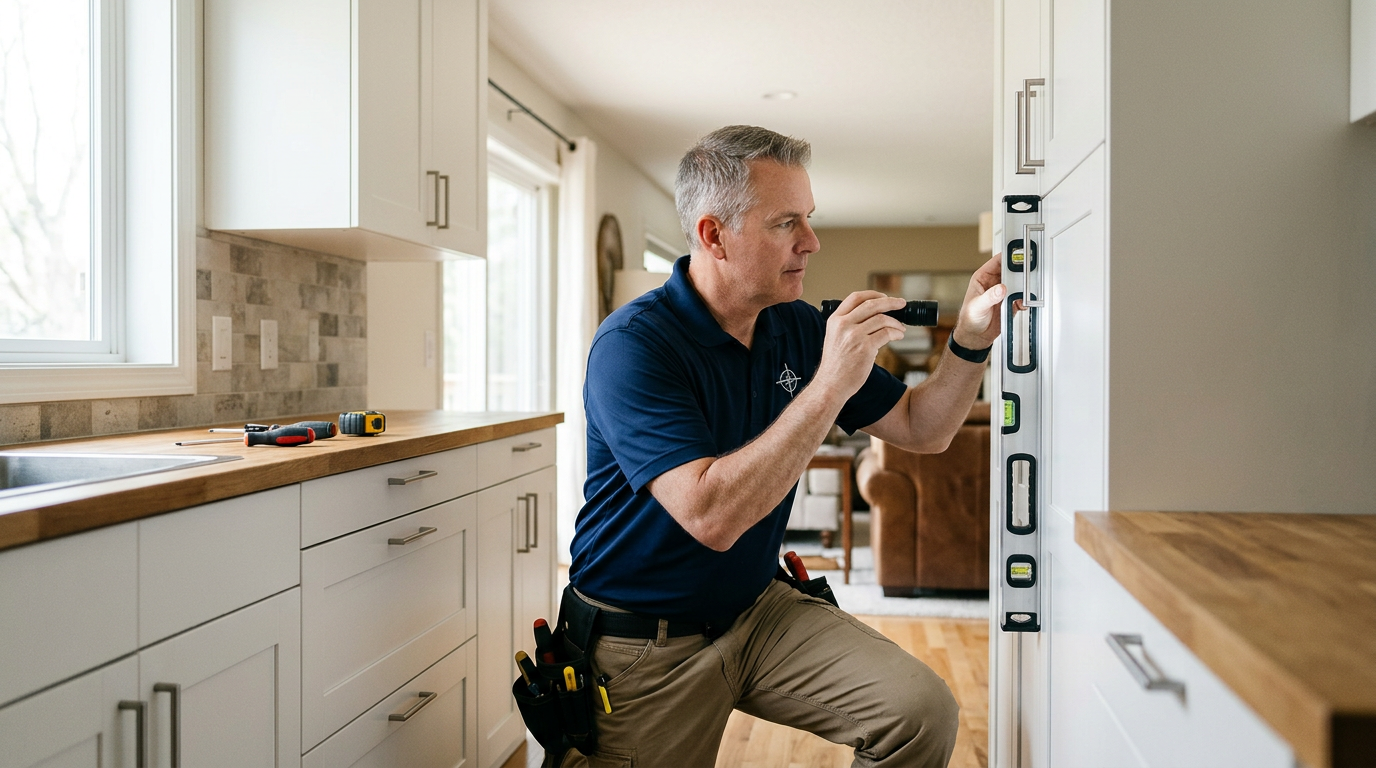
When considering a home purchase or preparing your property for sale, every component of the house undergoes scrutiny, including the kitchen cabinets. While the primary keyword ‘IKEA kitchen cabinet installation guide’ might suggest a DIY manual, from a home inspection standpoint, our focus shifts to the *results* of any cabinet installation, including those following IKEA’s popular systems. A professional home inspector evaluates the existing condition of these installations to ensure they are safe, functional, and structurally sound, regardless of the brand or the original installation method. This guide will walk you through the critical aspects of kitchen cabinet inspection, highlighting what inspectors look for, potential red flags, and how homeowners can prepare.
The Home Inspector’s Role in Evaluating Kitchen Cabinets
A home inspector’s evaluation of kitchen cabinets is not about critiquing the aesthetics or the brand, but rather assessing their structural integrity, functionality, and safety. This includes examining how well they are secured, their overall condition, and any potential issues that could impact the home’s value or pose a hazard to occupants. The inspection aims to identify material defects and significant deficiencies, providing a clear picture of the cabinets’ current state.
What an Inspector Looks For: Technical Considerations
During a kitchen inspection, particularly concerning cabinets, an inspector will meticulously examine several key areas:
- Secure Mounting: Cabinets must be securely fastened to the wall studs. Loose or wobbly cabinets, especially upper units, are a significant safety hazard. Inspectors will often gently push or pull on cabinets to test their stability.
- Structural Integrity: This involves checking for signs of warping, cracking, or sagging in the cabinet boxes, doors, and drawer fronts. Particle board or MDF cabinets, common in many ready-to-assemble systems like IKEA, can be particularly susceptible to moisture damage if not properly sealed or if exposed to leaks.
- Functionality of Hardware: All cabinet doors and drawers should open, close, and latch properly. Inspectors check hinges for rust or damage, and drawer slides for smooth operation. Non-functional hardware can indicate wear, improper installation, or underlying structural issues.
- Moisture Intrusion: Areas around sinks and dishwashers are prime locations for water damage. Inspectors use tools like moisture meters to detect elevated moisture levels within cabinet bases, particularly under sinks. Signs of past or present leaks include water stains, swollen wood, mold growth, or a musty odor.
- Countertop Support: While not strictly part of the cabinet, the cabinets provide the primary support for countertops. Inspectors will note any signs of inadequate support, such as sagging countertops or excessive deflection when pressure is applied.
- Ventilation and Exhaust: For cabinets above ranges, inspectors will check the functionality of range hoods and exhaust fans, ensuring they vent to the exterior and are properly secured within the cabinet structure.
- Electrical Components: Any integrated lighting or GFCI receptacles within or under cabinets will be tested for proper operation and safety.
Common Defects and Red Flags
Identifying defects early can prevent larger, more costly repairs down the line. Here are common issues and what they might indicate:
- Loose or Detached Cabinets: This is a primary safety concern, especially for wall-mounted units. It suggests inadequate fastening during installation or structural degradation of the wall or cabinet itself. Immediate repair by a qualified carpenter is recommended.
- Water Damage (Stains, Swelling, Mold): Often found under sinks, near dishwashers, or around plumbing lines. This is a red flag for active or past leaks. Elevated moisture readings with a moisture meter necessitate further investigation by a plumber to identify and rectify the source of the leak, and potentially a mold remediation specialist if mold growth is significant.
- Non-Functional or Damaged Hardware: Sticking drawers, sagging doors, or broken hinges. While sometimes a simple fix, it can also indicate misalignment, excessive wear, or poor-quality components that may need replacement.
- Missing or Damaged Toe Kicks/Trim: While often cosmetic, missing toe kicks can allow pests or moisture into the cabinet base. Damaged trim can indicate impact damage or water exposure.
- Improperly Vented Range Hoods: If a range hood vents into the cabinet space or attic instead of to the exterior, it can lead to moisture buildup, grease accumulation, and potential fire hazards. This requires correction by an HVAC specialist or general contractor.
- Unsecured Shelving: Interior shelves that are not properly secured can collapse, causing damage or injury.
Common Homeowner Mistakes That Obstruct Inspection
To ensure a thorough and accurate inspection, homeowners should avoid these common pitfalls:
- Cluttered Cabinets and Drawers: Overstuffed cabinets and drawers prevent the inspector from opening them fully, checking hardware, and examining the interior for signs of damage or pests.
- Blocked Access Under Sinks: Storing cleaning supplies, trash cans, or other items directly under the kitchen sink can obscure views of plumbing, drains, and the cabinet base, making it impossible to check for leaks or water damage.
- Inaccessible Pantry or Built-in Cabinetry: If any cabinet areas are locked or completely blocked by personal belongings, they cannot be inspected.
- Utilities Turned Off: While less common for cabinets, ensuring water is on allows for testing of the sink and dishwasher, which directly impacts the cabinet’s integrity.
- Not Clearing Countertops: While not directly cabinet-related, clear countertops allow for better access to upper and lower cabinets and a clearer view of the overall kitchen condition.
Repair Cost vs. Benefit & Negotiation Implications
Addressing visible cabinet issues before an inspection can significantly improve the property’s presentation and potentially streamline negotiations. For instance, tightening loose hinges, replacing a broken drawer slide, or cleaning up minor water stains under the sink are relatively inexpensive fixes. Neglecting these can lead to an inspector flagging them as defects, which might prompt buyers to request credits or price reductions that far exceed the actual repair cost.
For more significant issues like extensive water damage requiring cabinet replacement or structural repairs, obtaining professional estimates beforehand can be beneficial. While an inspector identifies the defect, they do not provide repair estimates. Having this information ready demonstrates transparency and can facilitate fair and professional discussions during the negotiation phase. Remember, the goal is to present a well-maintained home, reducing the likelihood of avoidable repair requests.
Printable Home Inspection Checklist: Kitchen Cabinets
Use this checklist to prepare your kitchen cabinets for an inspection and to understand what an inspector will be looking for:
- Clear All Cabinets and Drawers: Empty contents to allow full access and visibility.
- Remove Items from Under Sinks: Ensure the area beneath the kitchen sink is completely clear to expose plumbing and the cabinet base.
- Test All Doors and Drawers: Open and close each one to ensure smooth operation. Note any sticking, sagging, or broken hardware.
- Check for Loose Cabinets: Gently push and pull on wall-mounted cabinets to verify they are securely fastened.
- Inspect for Water Damage: Look for stains, swelling, or mold, especially under sinks, around dishwashers, and near plumbing lines.
- Verify Range Hood Functionality: Turn on the range hood fan and light to ensure it operates correctly and vents to the exterior.
- Examine Interior Shelving: Ensure all shelves are securely in place and not sagging.
- Clean Cabinet Surfaces: A clean presentation can help highlight any actual defects rather than superficial grime.
- Ensure All Cabinet Lighting Works: Test any integrated lighting or under-cabinet fixtures.
When to Call a Specialist
While a home inspector identifies issues, they do not perform repairs. Certain findings will necessitate consultation with a qualified specialist:
- Plumber: If active leaks, significant water damage, or plumbing issues are identified under sinks or near dishwashers.
- Carpenter/Cabinet Maker: For extensive structural damage to cabinets, severe warping, or if custom repairs or replacements are needed.
- General Contractor: For complex issues involving wall structure behind cabinets, or if multiple trades are required for a comprehensive repair.
- HVAC Technician: If the range hood ventilation system is improperly installed, damaged, or not venting correctly to the exterior.
- Mold Remediation Specialist: If significant mold growth is discovered due to prolonged moisture intrusion.
Adhering to general home inspection standards, such as those outlined by the American Society of Home Inspectors (ASHI) or InterNACHI, ensures a consistent and thorough evaluation of all accessible components, including kitchen cabinets.
Frequently Asked Questions (FAQ)
Q1: Does a home inspector check the quality of the cabinet installation itself?
A home inspector evaluates the *condition and functionality* of the installed cabinets, not the installation process itself. They will look for defects resulting from poor installation, such as loose cabinets, misalignment, or damage, but they don’t assess if the installation followed a specific guide (like an IKEA one) or building code during the installation phase.
Q2: What are the most common problems found with kitchen cabinets during an inspection?
The most common problems include water damage (especially under sinks), loose or wobbly cabinets, non-functional or damaged hardware (hinges, drawer slides), and signs of wear and tear like delaminating finishes or structural sagging.
Q3: Are IKEA cabinets inspected differently than custom cabinets?
No, the inspection criteria for IKEA cabinets are generally the same as for any other type of kitchen cabinet. The inspector focuses on safety, functionality, and structural integrity. While IKEA cabinets are known for their modular design and often DIY installation, the end result is evaluated against universal standards for cabinet performance and safety.
Q4: Can minor cabinet issues affect the sale of my home?
While minor cosmetic issues might not be deal-breakers, significant defects like loose upper cabinets, extensive water damage, or non-functional drawers can be flagged by an inspector. These can lead to buyer concerns, requests for repairs, or price concessions during negotiations. Addressing them proactively can improve buyer confidence.
Q5: How can I prevent water damage to my kitchen cabinets?
Regularly check under your sink for leaks, especially around plumbing connections and the garbage disposal. Ensure your dishwasher is properly installed and maintained. Promptly clean up any spills, and consider using protective liners in cabinet bases, particularly under the sink, to catch minor drips before they cause damage.
Related Home Inspection Guide: Complete Guide to how to clean houseAdd tag
Official Reference: For additional context, consult ASHI inspection standards and guidance.