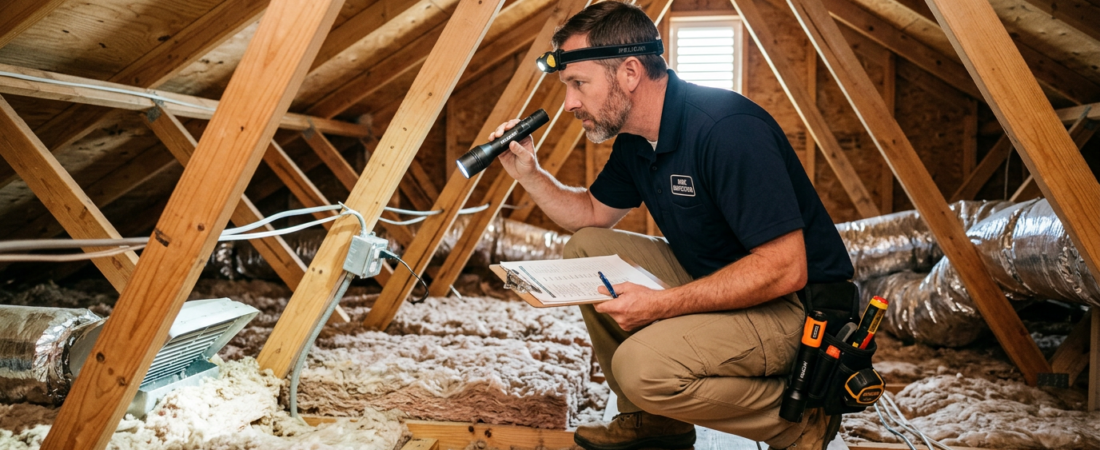
In the world of homeownership and real estate transactions, a professional home inspection is a pivotal moment. It’s when a trained eye meticulously evaluates the condition of a property. For many, the idea of preparing for this inspection can feel daunting. However, by adopting a systematic and thorough approach, akin to the ‘Swedish Death Cleaning’ philosophy (Döstädning), homeowners can not only ease the inspection process but also gain valuable insights into their property’s health.
While ‘Swedish Death Cleaning’ traditionally refers to decluttering one’s belongings to ease the burden on loved ones, we can apply its core principle—intentional and comprehensive organization—to preparing a home for inspection. This means going beyond surface-level tidiness to ensure every accessible area is clear, clean, and ready for scrutiny. This proactive approach benefits sellers by potentially identifying issues before they become negotiation points, and it helps buyers by ensuring a more complete and accurate assessment of their prospective home.
Inspection Considerations: Why Preparation Matters
A well-prepared home significantly aids the inspection process. When an inspector has clear access to all systems and components, they can perform their job more efficiently and thoroughly. Clutter, debris, or blocked access can lead to limitations in the inspection report, potentially raising red flags for buyers or requiring follow-up visits. By embracing the ‘Swedish Death Cleaning’ mindset for your home, you are essentially ‘decluttering’ the inspection path, allowing for a comprehensive evaluation of:
- Structural Components: Clear access to foundation walls, attic spaces, and crawl spaces.
- Roofing: Ensuring attic access is clear for ventilation and sheathing checks.
- Exterior: Unobstructed views of siding, windows, and grading around the foundation.
- Plumbing Systems: Easy access to water heaters, shut-off valves, and under-sink areas.
- Electrical Systems: Unblocked access to electrical panels, outlets, and switches.
- HVAC Systems: Clear pathways to furnaces, air handlers, and exterior condenser units.
- Interior: Clear floors, walls, and ceilings for visual inspection of finishes and potential issues.
This level of preparation minimizes the chances of an inspector needing to note ‘areas not accessible’ in their report, which can otherwise create uncertainty for all parties involved.
Common Defects Revealed by Thorough Preparation
A comprehensive ‘Swedish Death Cleaning’ approach to home preparation can often uncover issues that might otherwise remain hidden. As you move items, clean surfaces, and organize spaces, pay attention to the following:
- Hidden Leaks: Moving items from under sinks or in basements can reveal water stains, active drips, or mold growth indicating plumbing leaks or moisture intrusion.
- Pest Activity: Clearing out cluttered areas in attics, basements, or garages might expose rodent droppings, insect nests, or evidence of wood-destroying organisms.
- Electrical Hazards: Uncovering overloaded outlets, frayed wiring behind furniture, or non-functional GFCIs in kitchens and bathrooms.
- Structural Concerns: Removing storage from walls or floors might expose cracks in foundation walls, sagging joists, or uneven flooring that was previously obscured.
- HVAC Issues: Clearing around furnace filters or condenser units can reveal neglected maintenance, blockages, or unusual noises.
- Window and Door Problems: Thorough cleaning can highlight drafts, seal failures, or operational issues that need attention.
- Roofing and Attic Ventilation: Clearing attic access can reveal inadequate insulation, ventilation problems, or signs of roof leaks from the interior.
Repair and Maintenance Considerations
Once you’ve identified potential issues during your preparation, it’s time to consider your next steps. For minor findings, such as a leaky faucet washer or a dirty HVAC filter, a DIY repair might be appropriate. However, for more significant concerns, professional intervention is often necessary.
Addressing these issues proactively before the official inspection can demonstrate good faith and thoroughness, potentially streamlining negotiations. Document any repairs made, including receipts and warranties, as this information can be valuable to the inspector and prospective buyers.
When to Call a Specialist
While your ‘Swedish Death Cleaning’ preparation can reveal many issues, some problems require the expertise of a licensed professional. Consider calling a specialist if you encounter:
- Persistent Leaks or Water Damage: A plumber for active leaks or a water damage restoration specialist for extensive moisture issues.
- Electrical Problems: A licensed electrician for flickering lights, tripped breakers, or exposed wiring.
- HVAC Malfunctions: An HVAC technician for heating or cooling system failures, strange noises, or poor airflow.
- Structural Cracks or Sagging: A structural engineer or foundation repair specialist for significant cracks in foundation walls, bowing walls, or noticeable floor/ceiling deflection.
- Pest Infestations: A pest control professional for evidence of termites, carpenter ants, rodents, or other pests.
- Mold Growth: A mold remediation specialist if you find significant mold growth, especially in damp, poorly ventilated areas.
- Roofing Concerns: A qualified roofing contractor for missing shingles, active leaks, or significant damage.
These professionals can provide accurate diagnoses, recommend appropriate repairs, and offer estimates, giving you a clearer picture of the home’s condition and potential costs.
Frequently Asked Questions About Home Inspection Preparation
Q: How clean does my home need to be for an inspection?
A: Beyond general tidiness, focus on providing clear access to all major systems and components. This means moving furniture away from electrical panels, clearing items from under sinks, and ensuring attic and crawl space access points are unobstructed. A clean home allows the inspector to see potential issues more clearly.
Q: Should I fix everything before the inspection?
A: It’s generally advisable to address minor, obvious issues (e.g., leaky faucets, burnt-out light bulbs) before the inspection. For larger or more complex issues, you may choose to repair them, disclose them, or wait for the inspection report to guide your next steps. Proactive repairs can reduce the number of findings on the report.
Q: What areas do inspectors typically need access to?
A: Inspectors need access to the attic, crawl space (if applicable), electrical panel, furnace/air handler, water heater, all plumbing fixtures, windows, doors, and the exterior perimeter of the home, including the roof (if safely accessible). Ensure these areas are clear.
Q: Can I be present during the inspection?
A: Yes, it is highly recommended for buyers to attend the inspection. For sellers, it’s best to allow the inspector and buyer (if present) to work undisturbed. Your agent can advise on the best approach for your specific situation.
Q: What if the inspector finds something I didn’t know about?
A: This is a common occurrence and precisely why inspections are conducted. The report will detail any findings, which can then be used as a basis for negotiation between buyer and seller. It’s an opportunity to address issues transparently.
Official Reference Standards: Learn more at the InterNACHI.
Official Reference Standards: Learn more at the American Society of Home Inspectors (ASHI).