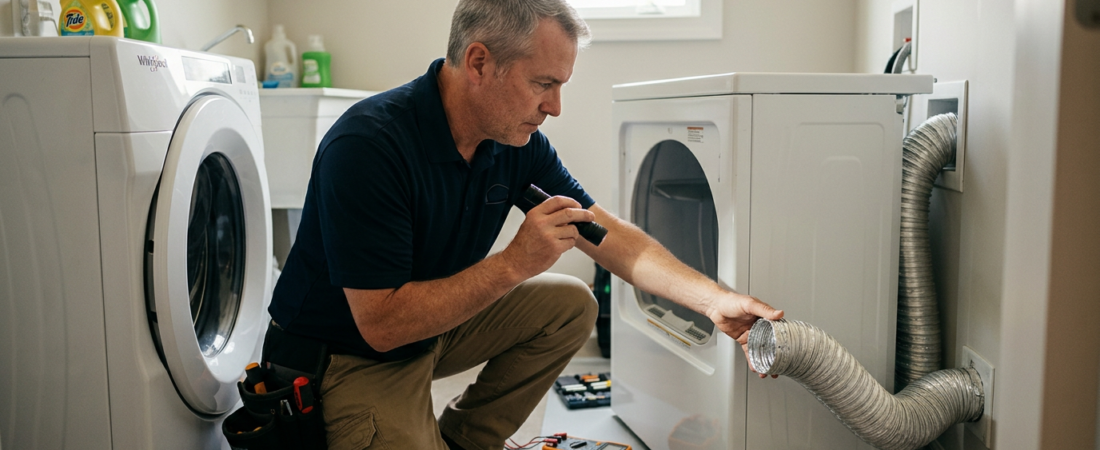
A clothes dryer, while seemingly a straightforward appliance, plays a critical role in home functionality and, if improperly installed or maintained, can pose significant safety risks, particularly fire hazards. From a home inspection perspective, evaluating a clothes dryer goes beyond simply checking if it turns on. It involves a detailed assessment of its installation, venting, and connections to identify potential defects that could impact safety, efficiency, or lead to costly repairs down the line. This guide provides a comprehensive overview for homeowners, prospective buyers, and sellers on what to expect during an inspection, common findings, and the practical implications for maintenance and repair.
What a Home Inspector Evaluates Regarding Clothes Dryers
A professional home inspector’s role concerning appliances like clothes dryers is primarily observational and functional, not diagnostic. We assess the visible components and their operational status at the time of inspection, looking for conditions that suggest improper installation, maintenance issues, or potential safety concerns. We do not disassemble appliances or predict their remaining lifespan. Our focus is on the safety and proper integration of the dryer within the home’s systems.
Venting System: A Critical Safety Component
The dryer’s exhaust vent is arguably the most critical component from a safety standpoint. Improper venting is a leading cause of house fires. Inspectors meticulously examine:
- Vent Material: The InterNACHI home inspection guidance emphasizes that dryer vents should be constructed of rigid metal (galvanized steel or aluminum) with a smooth interior. Flexible metal foil or plastic vinyl ducts are common red flags. These materials can sag, trap lint, restrict airflow, and are not fire-resistant.
- Vent Length and Bends: Excessive length or too many 90-degree bends significantly reduce airflow, causing the dryer to work harder, overheat, and accumulate lint. Standard recommendations often limit total vent length to 25 feet, with deductions for each bend (e.g., 5 feet for each 90-degree bend).
- Termination Point: The vent must terminate to the exterior of the building, away from windows, doors, and other air intakes. It should have a proper cap that prevents pest entry but allows lint to escape freely. Termination into an attic, crawlspace, or wall cavity is a serious defect, leading to moisture intrusion, mold growth, and fire hazards.
- Lint Accumulation: Visible lint buildup at the exterior termination or within accessible sections of the vent indicates a lack of maintenance and a potential fire risk.
Electrical and Gas Connections
Depending on whether the dryer is electric or gas-powered, the inspector will examine its connections to the home’s utility systems:
- Electrical Dryers:
- Receptacle Type: Electric dryers typically require a dedicated 240-volt circuit. The inspector will verify the correct NEMA configuration (e.g., 10-30R or 14-30R) and ensure the receptacle is securely mounted and in good condition. Older homes may have 3-prong receptacles (NEMA 10-30R) which lack a separate ground wire, relying on the neutral as a ground. While often grandfathered, modern safety standards prefer 4-prong (NEMA 14-30R) installations with a dedicated ground.
- Cord Condition: The power cord should be in good condition, free from damage or fraying, and properly connected.
- Circuit Protection: While not typically opening the electrical service panel for appliance-specific checks, the inspector notes if the laundry area has proper GFCI receptacle/outlet testing for 120V outlets, though 240V dryer outlets are typically not GFCI protected.
- Gas Dryers:
- Gas Line Connection: The flexible gas connector should be approved for appliance use, in good condition (no kinks, corrosion, or signs of damage), and of appropriate length.
- Shutoff Valve: A readily accessible manual gas shutoff valve must be present near the dryer.
- Ventilation: While not directly testing for gas leaks, inspectors note any visible issues or reported gas odors. Improperly vented gas dryers can also lead to carbon monoxide buildup, a silent killer.
Operational Check and Clearances
The inspector will perform a basic operational check, turning the dryer on to ensure it powers up and, for a short cycle, that it heats. They will also observe:
- Clearances: Adequate space around the dryer is necessary for proper air circulation, preventing overheating, and allowing for maintenance and service access.
- Lint Trap: The presence and condition of the lint trap are noted. A missing or damaged lint trap allows lint to enter the exhaust system, increasing fire risk.
Common Defects and Red Flags
Identifying these issues during an inspection is crucial for safety and efficiency:
- Plastic or Foil Venting: This is a major fire hazard. These materials are not rigid enough to prevent lint buildup and can easily ignite.
- Crushed or Kinked Vent: Restricts airflow, leading to longer drying times, increased energy consumption, and overheating.
- Vent Terminating Indoors: Directing exhaust into an attic, crawlspace, or wall cavity introduces significant moisture, promoting mold and wood rot, and creating a fire hazard from lint. For gas dryers, this also introduces carbon monoxide.
- Excessive Lint Buildup: A sign of poor maintenance and a fire risk.
- Missing or Damaged Vent Cap: Allows pests, rain, and debris into the vent system.
- Damaged Electrical Cord or Receptacle: Poses a shock or fire hazard.
- Missing Gas Shutoff Valve or Damaged Gas Line: Immediate safety concern for gas dryers.
- Dryer Not Heating: While often an appliance repair issue, it indicates a functional defect that needs addressing.
- Inadequate Clearances: Can lead to overheating and reduced efficiency.
Repair Cost vs. Benefit & Negotiation
Addressing clothes dryer issues, especially those related to venting and safety, before a home inspection can significantly improve the property’s presentation and reduce avoidable repair requests or price concessions. For sellers, proactively fixing these items demonstrates diligence and can prevent buyers from overestimating potential repair costs or walking away due to safety concerns.
For buyers, understanding the implications of inspection findings allows for informed negotiation. Issues like improper venting are not minor cosmetic fixes; they are safety hazards that warrant professional repair. While a home inspector cannot provide exact repair costs, they can highlight the severity of the defect, guiding you to seek estimates from qualified specialists. Fair and professional evaluation of these findings ensures a safer and more efficient home for the future.
Common Homeowner Mistakes That Can Obstruct an Inspection
To ensure a thorough and accurate inspection of your clothes dryer and related systems, homeowners should avoid these common mistakes:
- Blocked Access: Ensure the dryer is not pushed flush against a wall or surrounded by storage that prevents the inspector from accessing the rear connections, vent, and gas/electrical shutoffs.
- Uncleaned Lint Trap/Vent: While the inspector isn’t cleaning, a visibly overflowing lint trap or exterior vent clogged with lint suggests a lack of maintenance and raises immediate red flags.
- Utilities Turned Off: The dryer needs to be connected to active electrical or gas service to perform a functional check. Ensure all utilities are on.
- Locked Mechanical Areas: If the dryer is in a utility closet or laundry room that locks, ensure it is unlocked or access is provided.
- Pets Left Loose: While not directly related to the dryer, pets can obstruct access to laundry areas or distract the inspector, potentially leading to missed observations.
Repair and Specialist Guidance
When inspection findings indicate issues with your clothes dryer, knowing who to call is essential:
- Appliance Technician: For internal dryer malfunctions (e.g., not heating, not tumbling, unusual noises), an appliance repair specialist is the appropriate professional. They can diagnose and repair components like heating elements, thermostats, motors, or belts.
- HVAC Technician or Dryer Vent Specialist: For issues related to the dryer vent system (improper material, excessive length, blockages, damaged termination), an HVAC technician or a dedicated dryer vent cleaning/installation service is recommended. They have the tools and expertise to properly clean, repair, or replace the entire vent run, ensuring optimal airflow and fire safety.
- Licensed Electrician: If the inspection reveals issues with the electrical receptacle, power cord, or the dedicated circuit for an electric dryer, a licensed electrician should be consulted. They can ensure proper wiring, grounding, and compliance with current electrical codes.
- Licensed Plumber or Gas Fitter: For gas dryers, any concerns regarding the flexible gas connector, the manual shutoff valve, or suspected gas leaks require immediate attention from a licensed plumber or gas fitter. Gas leaks are serious safety hazards and must be addressed by a qualified professional.
Printable Home Inspection Checklist: Clothes Dryer Preparation & Follow-Up
Use this checklist to prepare for your home inspection and address any findings related to your clothes dryer:
- Before the Inspection:
- Clean Lint Trap: Empty the dryer’s lint trap thoroughly.
- Clear Vent: If safely accessible, ensure the exterior dryer vent cap is clear of lint and debris.
- Ensure Access: Move the dryer away from the wall slightly to allow the inspector access to the rear connections and vent. Clear any items stored around the dryer.
- Verify Utilities: Confirm that electrical and/or gas services are active and connected to the dryer.
- Check Vent Material (Seller): If you have flexible plastic or foil venting, consider upgrading to rigid metal before the inspection to avoid a red flag.
- During the Inspection (for awareness):
- Observe the inspector’s process, especially when they examine the dryer vent termination outside.
- Note any comments or observations made about the dryer’s operation or installation.
- After the Inspection (Follow-Up):
- Review Report: Carefully read all findings related to the clothes dryer, paying close attention to safety concerns (e.g., improper venting, gas leaks, electrical issues).
- Prioritize Repairs: Address safety-related defects immediately. Issues like plastic vents or blocked vents are fire hazards.
- Consult Specialists: Based on the inspection report, contact the appropriate professional (appliance technician, HVAC/vent specialist, electrician, gas fitter) for further evaluation and repair estimates.
- Regular Maintenance: Commit to regular lint trap cleaning and periodic professional dryer vent cleaning (at least once a year, more often for large families or pet owners).
Frequently Asked Questions (FAQ)
Q1: Is a home inspector qualified to repair my clothes dryer?
A home inspector’s role is to observe and report on the condition of accessible systems and components, not to diagnose or repair appliances. If an issue is found, they will recommend consulting a qualified appliance technician or other specialist.
Q2: How often should I clean my dryer vent?
The lint trap should be cleaned after every load. The entire dryer vent system should be professionally cleaned at least once a year, or more frequently if you notice longer drying times, a burning smell, or if you have a large household or pets that produce a lot of lint.
Q3: What’s the big deal about plastic or foil dryer vents?
Plastic and foil dryer vents are highly flammable and prone to sagging, which traps lint and restricts airflow. This combination creates a significant fire hazard. Rigid metal vents are smoother, more durable, and fire-resistant, making them the safest choice.
Q4: My gas dryer sometimes smells like gas. Is this normal?
No, a persistent or strong gas smell is never normal and indicates a potential gas leak. This is a serious safety hazard. Immediately shut off the gas supply to the dryer if safe to do so, ventilate the area, and contact a licensed plumber or gas fitter for emergency service. Do not operate the dryer or any other ignition sources.
Q5: Why are my clothes taking so long to dry?
Long drying times are a common indicator of restricted airflow, most often due to a clogged or improperly installed dryer vent. It could also signal a failing heating element in the dryer itself. Start by cleaning your lint trap and checking the exterior vent cap. If the problem persists, have the vent system professionally cleaned and consider an appliance technician for internal diagnostics.
Related Home Inspection Guide: Complete Guide to What is a Steam Mop: Implications for Home Inspection and Home Maintenance
Related Home Inspection Guide: Complete Guide to how to clean houseAdd tag
Official Reference: For additional context, consult InterNACHI home inspection guidance.
Official Reference: For additional context, consult ASHI inspection standards and guidance.