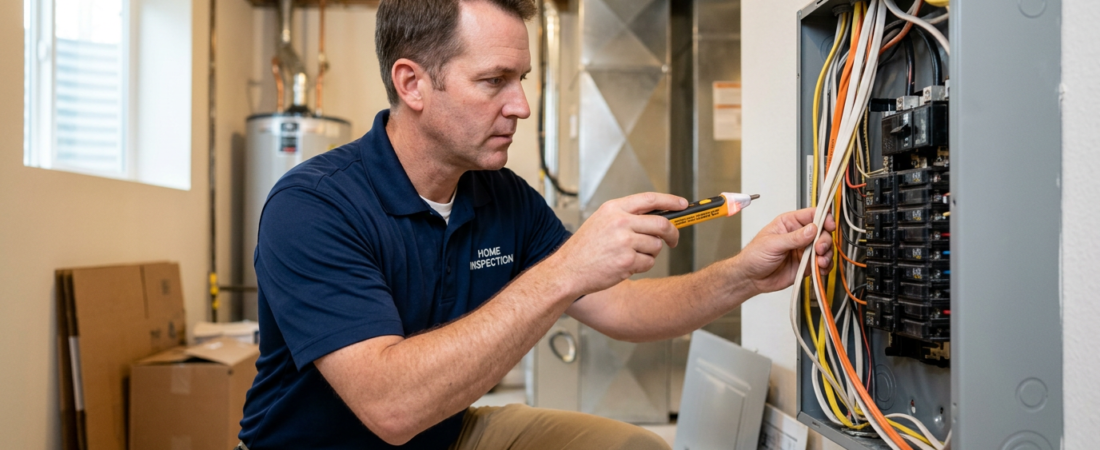
Romex is a widely recognized brand name for Non-Metallic (NM) sheathed cable, a prevalent type of electrical wiring used in residential construction across the United States. During a home inspection, the evaluation of NM cable is paramount for assessing the safety and functionality of a home’s electrical system. Inspectors meticulously examine visible portions of this wiring to identify improper installations, damage, and potential hazards that could lead to electrical fires, shocks, or system failures. Understanding the nuances of NM cable inspection is vital for homeowners, prospective buyers, and sellers to ensure a safe and compliant electrical infrastructure.
What a Home Inspector Looks for in Romex (NM Cable) Installations
A professional home inspector’s evaluation of NM cable goes beyond a cursory glance. It involves a systematic assessment of its condition, installation methods, and compliance with safety standards. While inspectors do not open walls or dismantle electrical components, they observe all accessible and visible wiring.
Key Inspection Points for NM Cable:
- Proper Protection and Support: NM cable must be protected from physical damage. In unfinished areas like basements, crawlspaces, and attics, it should be run through bored holes in framing members or secured with staples or straps at appropriate intervals (typically every 4.5 feet and within 12 inches of a box). Exposed runs in vulnerable areas, such as along basement walls where they could be struck, are red flags.
- Correct Application: NM cable is designed for dry, indoor locations. Its use in wet or damp areas (e.g., outdoors, in masonry, or directly buried) is a significant defect. Inspectors will also note if NM cable is used in commercial or industrial settings, where different wiring methods (like conduit) are typically required.
- Junction Boxes and Connections: All splices and connections must occur within approved electrical boxes (junction boxes, switch boxes, receptacle boxes) and remain accessible. Open splices or connections outside of boxes are serious safety hazards, increasing the risk of fire and shock. Boxes must be properly covered.
- Strain Relief: NM cable entering an electrical box must be secured with a cable clamp or connector to prevent strain on the wire connections inside the box.
- Wire Gauge and Overcurrent Protection: The inspector will visually verify the wire gauge (e.g., 14 AWG, 12 AWG, 10 AWG) where visible and correlate it with the circuit breaker size in the electrical service panel. For instance, 14 AWG wire should be protected by a 15-amp breaker, 12 AWG by a 20-amp breaker, and 10 AWG by a 30-amp breaker. Undersized wiring for the breaker can lead to overheating and fire.
- Damage and Wear: Inspectors look for signs of damage to the outer sheath or individual wire insulation, such as nicks, cuts, abrasions, or rodent chewing. Discoloration or brittle insulation can indicate overheating.
- Grounding: Modern NM cable includes a bare copper grounding conductor. The inspector will confirm the presence of grounding conductors where visible and test GFCI and AFCI receptacles/breakers for proper function, which are critical for shock and fire prevention.
- Clearance from Heat Sources: NM cable should maintain appropriate clearance from heat-producing elements like recessed light fixtures, chimneys, or heating ducts to prevent insulation degradation.
Technical Considerations and Practical Evaluation
NM cable, commonly known as Romex, consists of two or more insulated conductors (typically black for hot, white for neutral, and bare copper for ground) encased within a non-metallic, moisture-resistant plastic sheath. Its flexibility and ease of installation have made it a staple in residential wiring.
Understanding Wire Gauges and Ampacity:
The gauge of the wire (e.g., 14 AWG, 12 AWG) determines its ampacity, or the maximum current it can safely carry. A smaller AWG number indicates a larger wire diameter and higher ampacity. Mismatched wire gauge and circuit breaker ratings are a critical safety concern. For example, a 20-amp breaker protecting a 14 AWG wire circuit would not trip if the circuit drew 16-18 amps, potentially causing the wire to overheat and ignite. This is why inspectors emphasize verifying this relationship.
The Role of Grounding and Bonding:
The bare copper wire in NM cable provides an equipment grounding path. This path is crucial for safety, as it provides a low-resistance route for fault currents to return to the electrical service panel, tripping the circuit breaker or fuse and preventing sustained overcurrents that could cause shock or fire. Proper bonding ensures all metallic components of the electrical system are at the same electrical potential, reducing shock hazards.
AFCI and GFCI Protection:
Modern electrical codes (such as those adopted by the International Code Council (ICC)) require Arc-Fault Circuit Interrupters (AFCIs) in many residential areas (e.g., bedrooms, living rooms) and Ground-Fault Circuit Interrupters (GFCIs) in wet or damp locations (e.g., kitchens, bathrooms, garages, outdoors). AFCIs detect dangerous electrical arcs that can lead to fires, while GFCIs protect against severe electrical shocks by detecting ground faults. Inspectors test these devices to ensure they function correctly.
Common Defects and Red Flags with Romex (NM Cable)
Identifying these issues is crucial for safety and can significantly impact a property’s value and future repair costs.
- Exposed or Unprotected Wiring: NM cable run along the surface of walls, ceilings, or floors in unfinished areas without proper protection (e.g., conduit, running through bored holes in studs) is susceptible to damage. This is particularly common in older homes with DIY additions.
- Improper Splices: Wire splices made outside of an approved, accessible junction box are a major fire hazard. All connections must be contained within a box and covered.
- Damaged Sheathing or Insulation: Any visible nicks, cuts, or abrasions on the outer jacket or the individual wire insulation can expose live conductors, creating shock and fire risks. Rodent damage is also a common issue in attics and crawlspaces.
- Over-fused Circuits: When a circuit breaker’s amperage rating exceeds the ampacity of the wire it protects, it creates a severe fire hazard. The breaker will not trip before the wire overheats.
- Wiring in Wet/Damp Locations: NM cable is not rated for wet locations. Its use outdoors, in direct contact with masonry, or in areas prone to moisture can lead to insulation breakdown, short circuits, and shock hazards.
- Lack of Grounding: Older NM cable (pre-1960s) may lack a grounding conductor. While not necessarily a defect if installed to standards of its time, it offers less protection than modern grounded systems. Ungrounded three-prong receptacles are a red flag.
- Over-filled Electrical Boxes: Too many wires in an electrical box can lead to overheating and make future maintenance difficult.
- Wiring Used as Support: NM cable should never be used to support other items, nor should it be tightly bundled in a way that prevents heat dissipation.
Common Homeowner Mistakes Obstructing Electrical Inspections
Homeowners often inadvertently create conditions that limit an inspector’s ability to thoroughly evaluate the electrical system, including NM cable installations. These mistakes can lead to deferred maintenance, missed safety issues, and potential delays in real estate transactions.
- Blocked Electrical Service Panels: The main electrical panel (breaker box) must be clear of obstructions for at least 30 inches in front and to the sides. Storing boxes, furniture, or appliances in front of the panel prevents the inspector from safely opening and examining it.
- Inaccessible Attic or Crawlspace Entrances: NM cable runs extensively through these areas. If access points are blocked by storage, debris, or locked, the inspector cannot evaluate the wiring for damage, proper support, or connections.
- Covered Junction Boxes: All junction boxes must remain accessible. Covering them with drywall, paneling, or permanent fixtures is a code violation and prevents inspection of critical connections.
- Utilities Turned Off: While not always a mistake, if electricity is turned off, the inspector cannot test receptacles, switches, light fixtures, or appliances, including GFCI and AFCI devices.
- DIY Wiring Without Permits or Professional Oversight: Unlicensed electrical work often results in code violations, improper connections, and unsafe installations that are difficult for an inspector to fully assess without destructive testing.
- Pets Left Loose: While not directly related to wiring, an unsecured pet can prevent an inspector from accessing areas like basements or attics where electrical components are located.
Repair Cost vs. Benefit & Negotiation Implications
Addressing electrical issues, especially those related to NM cable, is primarily a matter of safety. Unlike cosmetic repairs, electrical defects pose immediate hazards like fire and electrocution. Therefore, the benefit of repair almost always outweighs the cost.
- Safety First: Correcting exposed wiring, improper splices, or over-fused circuits eliminates significant risks to occupants and the property. This is non-negotiable for responsible homeownership.
- Property Value and Insurability: A home with a safe, compliant electrical system is more attractive to buyers and less likely to face issues with homeowner’s insurance. Unaddressed electrical hazards can make a home uninsurable or significantly increase premiums.
- Negotiation Leverage: For sellers, proactively addressing visible electrical defects before an inspection can streamline the sales process. Buyers are often wary of electrical issues, which can lead to significant repair requests, credits, or even a renegotiation of the sale price. A clean electrical inspection report minimizes these points of contention.
- Cost of Repairs: The cost of electrical repairs can vary widely, from minor fixes (e.g., adding junction box covers, securing loose cables) to major overhauls (e.g., rewiring entire circuits, upgrading the service panel). While some minor issues might be DIY-friendly for experienced individuals, anything involving circuit modifications, panel work, or significant wiring runs should always be handled by a licensed electrician.
It’s important to evaluate inspection findings fairly. Minor issues might be easily resolved, while significant hazards warrant professional evaluation and repair. The goal is to ensure a safe home, not to nickel-and-dime over every minor observation.
Repair and Specialist Guidance
When NM cable issues are identified, the appropriate response is critical. For anything beyond the most superficial, non-electrical tasks, a licensed professional is essential.
When to Call a Licensed Electrician:
- Any Wiring Modifications: Adding new circuits, extending existing ones, or relocating outlets/switches.
- Panel Work: Upgrading the electrical service panel, replacing breakers, or adding new circuits to the panel.
- Correction of Code Violations: Improper splices, unprotected wiring, incorrect wire-to-breaker sizing, or wiring in wet locations.
- Damage to Conductors: Any instance where the insulation of individual wires is compromised.
- Persistent Electrical Problems: Frequent breaker trips, flickering lights, or outlets that don’t work.
- Installation of AFCI/GFCI Devices: While replacing a standard receptacle with a GFCI can be a DIY task for some, ensuring proper wiring and testing is crucial. For whole-house protection or complex installations, an electrician is best.
A licensed electrician possesses the knowledge of current electrical codes (like the National Electrical Code, often referenced by ICC standards), proper safety procedures, and the necessary tools to diagnose and repair electrical systems safely and effectively. Attempting complex electrical repairs without proper training can lead to severe injury, fire, or further damage to the electrical system.
Printable Home Inspection Checklist: Romex (NM Cable) Evaluation
Use this checklist to prepare for an inspection or to conduct your own preliminary visual assessment of accessible NM cable wiring.
- Access to Electrical Panel: Ensure the electrical service panel is clear of obstructions (30-inch clearance).
- Access to Attic/Crawlspace: Confirm all access points are clear and unlocked.
- Visible Wiring Protection: In unfinished basements, attics, and crawlspaces, check if NM cable is run through bored holes in framing or properly secured and protected from damage.
- Junction Box Covers: Verify all electrical boxes (junction boxes, switch boxes, receptacle boxes) have appropriate covers and are not hidden behind walls or permanent fixtures.
- No Open Splices: Look for any exposed wire connections outside of electrical boxes.
- Wiring Damage: Visually inspect accessible NM cable for cuts, nicks, abrasions, discoloration, or signs of rodent chewing.
- Wet Location Use: Confirm NM cable is not used outdoors, in direct contact with concrete/masonry, or in other damp/wet environments.
- GFCI/AFCI Functionality: Test GFCI outlets (press TEST, then RESET) in kitchens, bathrooms, garages, and outdoors. If equipped, test AFCI breakers in the electrical panel.
- No Over-fused Circuits (Visual Check): If comfortable, briefly open the electrical panel cover (with extreme caution, or have an electrician do it) and note the amperage rating of breakers. If a 15-amp breaker protects a circuit with visibly larger wires (e.g., 12 AWG), that’s generally fine. If a 20-amp breaker protects a circuit with visibly smaller wires (e.g., 14 AWG), this is a red flag.
- No Wiring Used as Support: Ensure no other items are hanging from or supported by electrical wiring.
Frequently Asked Questions About Romex (NM Cable) and Home Inspections
Q1: Is Romex wiring safe?
A1: Yes, when properly installed and maintained according to current electrical codes, Romex (NM cable) is a safe and widely accepted wiring method for residential applications. Safety concerns arise from improper installation, damage, or misuse.
Q2: Can Romex be exposed in a basement or attic?
A2: In unfinished basements, attics, or crawlspaces, NM cable can be exposed, but it must be properly protected from physical damage. This typically means running it through bored holes in framing members or securing it with staples or straps at regular intervals. It should not be run unprotected along the surface of walls or ceilings where it could be easily damaged.
Q3: What’s the difference between Romex and conduit wiring?
A3: Romex (NM cable) is a self-contained cable with multiple insulated conductors and a ground wire within a non-metallic sheath. Conduit wiring involves individual insulated wires pulled through a protective metal or plastic pipe (conduit). Conduit offers greater physical protection and is often required in commercial settings, wet locations, or areas where wiring needs to be easily replaced. NM cable is generally easier and less expensive to install in dry, protected residential environments.
Q4: When was Romex first used, and is older Romex still safe?
A4: NM cable, including the Romex brand, has been in use since the 1920s, though its composition and safety features have evolved. Older NM cable from before the 1960s may lack a grounding conductor, which is a significant safety feature of modern wiring. While older, ungrounded wiring may have been acceptable at the time of installation, it offers less protection against shock and is often a candidate for upgrade, especially if paired with three-prong receptacles.
Q5: Can I do my own electrical repairs involving Romex?
A5: Minor tasks like replacing a light switch or receptacle (if you are knowledgeable and follow safety protocols) might be manageable for some homeowners. However, any work involving new circuits, extending existing circuits, modifications inside the electrical panel, or correcting significant code violations should always be performed by a licensed electrician. Electrical work carries serious risks of injury, fire, and property damage if not done correctly.
Related Home Inspection Guide: Complete Guide to What is a Steam Mop: Implications for Home Inspection and Home Maintenance
Related Home Inspection Guide: Complete Guide to how to clean houseAdd tag
Official Reference: For additional context, consult InterNACHI home inspection guidance.
Official Reference: For additional context, consult ASHI inspection standards and guidance.