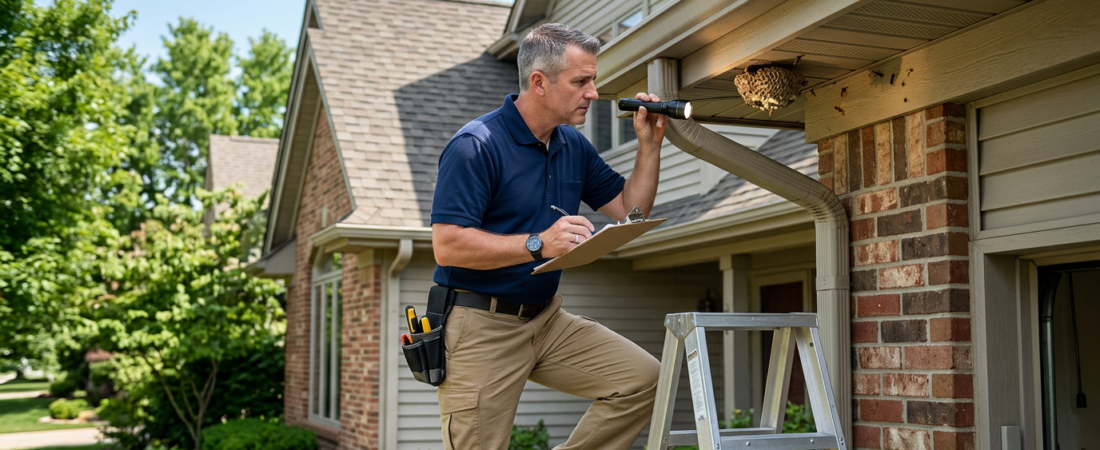
When preparing for or undergoing a home inspection, seemingly small details can reveal larger concerns about a property’s condition and maintenance. Paper wasp nests, often overlooked or dismissed as a mere nuisance, are one such detail that a professional home inspector will note. Beyond the immediate sting risk, their presence can indicate maintenance deficiencies, potential entry points into the structure, or even damage to building components. This comprehensive guide will delve into the practical inspection logic, technical considerations, red flags, and necessary next steps concerning paper wasp nests for American homeowners, prospective buyers, sellers, and real estate professionals.
Understanding Paper Wasp Nests in a Home Inspection Context
Paper wasps (Polistes spp.) are common across the United States. They build distinctive umbrella-shaped nests, often in sheltered locations. From a home inspection standpoint, the presence of these nests is not merely about pest control; it’s about identifying potential risks, evaluating property maintenance, and ensuring structural integrity.
What a Home Inspector Looks For
During a home inspection, the inspector’s role is to observe and report on the readily visible and accessible components of the property. When it comes to paper wasp nests, an inspector will typically:
- Identify Nest Locations: Common areas include eaves, soffits, overhangs, attic vents, utility boxes, under deck railings, inside sheds, behind loose siding, and even within HVAC condenser units or electrical service panels.
- Assess Activity Level: Note whether the nest appears active (live wasps present) or inactive (abandoned). Active nests pose an immediate safety hazard during the inspection.
- Evaluate Proximity to Entry Points: Nests near windows, doors, or foundation cracks suggest potential entry points for wasps into the living space.
- Look for Associated Damage: While paper wasps don’t typically cause structural damage like termites, their nesting activity can sometimes exacerbate existing issues, such as moisture intrusion behind loose fascia boards where a nest is attached.
- Consider Safety Implications: The primary concern is the safety of occupants and visitors. Nests in high-traffic areas are a significant red flag.
An inspector will document the presence, location, and apparent activity of nests in the inspection report, often recommending further evaluation or remediation by a qualified pest control specialist.
Technical Considerations and Inspection Logic
The presence of paper wasp nests, particularly in certain areas, can provide clues about other aspects of the home’s condition:
- Exterior Envelope Integrity: Nests under eaves or behind siding can indicate gaps, cracks, or loose components in the building’s exterior envelope. These vulnerabilities are not just for wasps; they can also be entry points for moisture intrusion, other pests, or contribute to energy loss.
- Ventilation Systems: Nests blocking attic vents, dryer vents, or exhaust fan outlets can impede proper airflow, leading to moisture buildup in attics or crawlspaces, or creating fire hazards (e.g., blocked dryer vents).
- Electrical Components: Nests built inside or near exterior electrical boxes, meter bases, or electrical service panels can create hazards for technicians and potentially interfere with equipment operation.
- Accessibility and Maintenance: Nests in hard-to-reach areas might suggest a lack of routine maintenance or inspection by the homeowner, potentially masking other issues.
The inspector’s observation is a visible finding, not a diagnosis of infestation or a recommendation for specific treatment. However, it prompts further investigation and action.
Common Defects, Red Flags, and Why They Matter
Identifying paper wasp nests goes beyond simple pest identification; it involves understanding the broader implications for the home.
- Active Nests in High-Traffic Areas: A significant red flag. Nests near entryways, patios, or children’s play areas pose an immediate stinging hazard. This is a safety concern that requires prompt professional attention.
- Multiple Nests or Large Nests: Indicates a favorable environment for wasps, potentially due to sheltered areas, abundant food sources, or a lack of previous pest control. It also suggests a larger population that could be more aggressive.
- Nests Obscuring or Blocking Components: If a nest is built over a utility access panel, a vent, or a plumbing shutoff, it can hinder maintenance or emergency access. For instance, a nest on a GFCI receptacle could prevent proper testing or reset.
- Nests in Attic or Crawlspace: While less common for paper wasps, nests in these areas (especially if large) suggest easy access points into the home’s envelope. This warrants a closer look at attic insulation, crawlspace vents, and foundation integrity for other pest entry or moisture issues.
- Evidence of Previous Nests: Even inactive nests or remnants can indicate a recurring problem, suggesting that the conditions attracting wasps (e.g., sheltered spots, food sources) are still present.
These findings matter because they impact safety, maintenance, and potentially the long-term condition of the home. Ignoring them can lead to recurring pest issues, hindered access to critical systems, or even allergic reactions for sensitive individuals.
Common Homeowner Mistakes That Obstruct or Limit Inspection
Homeowners can inadvertently hinder a thorough inspection, especially concerning pest observations like wasp nests. Avoiding these mistakes benefits both sellers and buyers:
- Ignoring Visible Nests: Leaving active nests, particularly in accessible areas, creates an immediate safety hazard for the inspector and can lead to an incomplete inspection of that area.
- Blocking Access Points: Storing boxes or debris against exterior walls, under eaves, or around utility boxes can prevent the inspector from safely and thoroughly examining potential nesting sites. For example, a blocked crawlspace access point means the inspector cannot check for nests or other issues within.
- Not Addressing Landscaping: Overgrown shrubs or trees touching the house provide sheltered areas for nests and can obscure the view of eaves and soffits. Poor grading and drainage can also contribute to conditions that attract pests.
- Unsecured Pets: Loose pets, especially dogs, can be a distraction or a hazard, preventing the inspector from safely accessing exterior areas where nests might be present.
- Turning Off Utilities: While not directly related to wasp nests, ensuring all utilities (electrical, water, gas) are on allows the inspector to test systems, which might reveal nests near operational components like exterior lights or HVAC units.
Proactive preparation ensures the inspector can perform their duties thoroughly, providing a more accurate assessment of the property.
Repair Cost vs. Benefit & Negotiation Implications
Addressing paper wasp nests before an inspection can significantly improve the property’s presentation and potentially streamline negotiations. While the cost of professional wasp nest removal is typically minor compared to major home repairs, its impact on perception can be substantial.
- Improved Presentation: A home free of visible pest issues appears better maintained and cared for, instilling confidence in prospective buyers.
- Reduced Repair Requests: While not a major structural defect, an active wasp nest is a legitimate safety concern that a buyer’s agent will likely flag. Pre-emptively removing it eliminates this as a point of negotiation.
- Avoidable Concessions: Even a small pest issue can lead to requests for credits or price reductions, especially if it’s perceived as indicative of broader maintenance neglect.
- Safety First: For sellers, removing active nests ensures the safety of everyone visiting the property, including inspectors, agents, and potential buyers.
The benefit of a small investment in professional pest control far outweighs the potential for negotiation friction or perceived neglect. Findings should always be evaluated fairly and professionally, but proactive remediation demonstrates good faith.
Repair & Specialist Guidance
The approach to addressing paper wasp nests depends on their size, location, activity, and the homeowner’s comfort level.
- Small, Inactive Nests: If a nest is small, appears inactive, and is in an easily accessible, low-risk location, a homeowner might carefully remove it themselves using appropriate protective gear (gloves, long sleeves, eye protection) and a long-handled tool. It’s best to do this in the evening when wasps are less active.
- Active Nests or Large Nests: For active nests, especially those that are large, in high or difficult-to-reach locations (e.g., near roof flashing, inside wall voids, or near electrical components), or if the homeowner has an allergy, professional pest control is strongly recommended. A licensed pest control technician has the expertise, equipment, and safety protocols to remove nests effectively and safely.
- Addressing Entry Points: After removal, it’s crucial to seal any entry points that allowed wasps to build nests in undesirable locations. This might involve caulking cracks, repairing screens, sealing gaps in siding, or ensuring proper installation of attic vents. This may require a general contractor or handyman.
- Structural Damage: While rare, if a nest has been built in a way that has compromised a wooden component (e.g., behind a fascia board that was already rotting due to moisture), a carpenter or general contractor may be needed for repairs.
Printable Home Inspection Checklist: Paper Wasp Nest Edition
Use this checklist to prepare your home for an inspection or to conduct your own preliminary assessment for paper wasp nests.
- Exterior Walk-Around: Systematically walk around the entire exterior of your home, paying close attention to eaves, soffits, window frames, door frames, and under deck railings.
- Check Overhangs & Vents: Inspect all roof overhangs, attic vents, and exhaust fan outlets (e.g., bathroom, dryer) for nests or signs of wasp activity.
- Utility Areas: Examine exterior electrical panels, meter bases, cable boxes, and any other utility installations for nests.
- Sheds & Outbuildings: Don’t forget detached structures like sheds, garages, and playhouses, as these are common nesting sites.
- Landscaping Proximity: Trim back any overgrown bushes or tree branches that are touching the house, as these can conceal nests or provide easy access.
- Look for Gaps & Cracks: Identify any visible cracks in the foundation, gaps in siding, or unsealed openings around pipes and wires that could serve as entry points.
- Assess Activity: Note if any nests appear active (wasps flying in and out) or inactive.
- Safety First: If you find an active nest, do not attempt to remove it if you are allergic, if it’s large, or in a difficult/dangerous location. Contact a professional.
- Clear Access: Ensure all exterior areas, especially around utility access points and potential nesting sites, are clear of obstructions for the inspector.
Frequently Asked Questions (FAQs)
Q1: Are paper wasp nests a serious defect in a home inspection?
A1: While not typically a structural defect, active paper wasp nests are considered a safety hazard and can indicate maintenance issues (e.g., unsealed entry points). An inspector will note them, and they often warrant professional removal, especially if in high-traffic areas or obstructing components.
Q2: Can I remove a paper wasp nest myself?
A2: For small, inactive nests in easily accessible locations, a homeowner can often remove them safely with proper protective gear. However, for active, large, or difficult-to-reach nests, or if you have allergies, it is highly recommended to hire a licensed pest control professional to ensure safety and effective removal.
Q3: What does the presence of paper wasp nests tell an inspector about the home?
A3: Nests can suggest areas of the home’s exterior envelope that are not properly sealed, providing sheltered entry points. They can also indicate a lack of routine exterior maintenance. If nests are found near utility components, it might point to potential access issues for future repairs or maintenance.
Q4: How can I prevent paper wasps from building nests on my home?
A4: Prevention involves sealing potential entry points (cracks, gaps, loose siding), maintaining a tidy exterior, and regularly inspecting eaves, soffits, and overhangs. Some homeowners use deterrents like fake nests, though their effectiveness varies. Regular cleaning of sheltered areas can also discourage nesting.
Q5: Will an inspector remove a wasp nest if they find one?
A5: No, home inspectors are not pest control specialists and will not remove active wasp nests. Their role is to observe and report the presence of such conditions. They will document the finding and recommend further evaluation and remediation by a qualified pest control professional.
Related Home Inspection Guide: Complete Guide to What is a Steam Mop: Implications for Home Inspection and Home Maintenance
Related Home Inspection Guide: Complete Guide to how to clean houseAdd tag
Official Reference: For additional context, consult InterNACHI home inspection guidance.
Official Reference: For additional context, consult ASHI inspection standards and guidance.