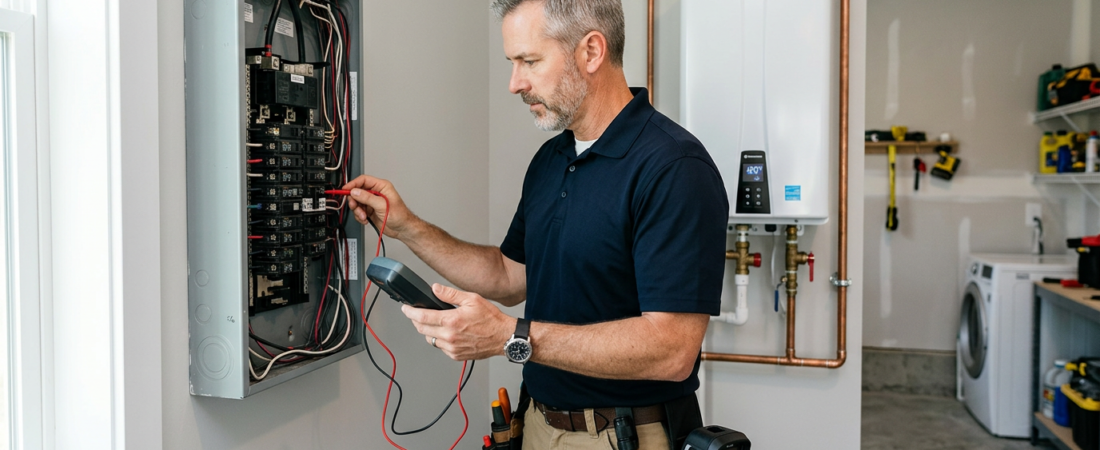
Electric tankless water heaters, also known as on-demand water heaters, provide hot water only when you need it, eliminating the need for a storage tank. This design can save space and potentially reduce energy consumption by avoiding standby heat loss. However, their sophisticated technology and significant electrical demands mean they require a thorough and informed inspection. For homeowners, buyers, sellers, and real estate professionals, understanding the nuances of these systems is crucial for ensuring safety, efficiency, and longevity.
Inspection Considerations for Electric Tankless Water Heaters
During a home inspection, an electric tankless water heater is evaluated for its installation quality, operational integrity, and potential safety hazards. Key areas of focus include:
- Electrical Requirements: These units typically draw substantial amperage, often requiring dedicated, high-capacity circuits. Inspectors will verify appropriate wiring gauge, proper breaker sizing in the electrical panel, and secure connections. Improper electrical setup can pose significant fire hazards and operational failures. For more on electrical safety, visit our Electrical Safety guides.
- Installation Location: The unit should be installed in a location that provides adequate clearance for maintenance and service, is protected from freezing temperatures, and adheres to manufacturer specifications and local building codes.
- Plumbing Connections: Inspectors check for proper water line sizing, secure connections, the presence of shut-off valves, and the correct installation and termination of the Temperature and Pressure Relief (TPR) valve discharge piping.
- Condition of the Unit: A visual assessment for physical damage, signs of leaks, corrosion, or mineral buildup on or around the unit is essential.
- Controls and Operation: Basic functionality is observed, including whether the unit powers on, heats water, and if any unusual noises or error codes are present.
Home Inspector’s Checklist & Practical Evaluation
A systematic approach ensures all critical aspects of an electric tankless water heater are reviewed:
Visual Inspection:
- Leaks: Carefully inspect all water connections, the unit’s body, and the area beneath for any signs of active or past water leaks.
- Electrical Wiring: Examine the electrical conduit and wiring for proper gauge, secure entry into the unit, and any signs of overheating, charring, or frayed insulation.
- Breaker Sizing: Confirm the dedicated circuit breaker in the main electrical panel matches the unit’s specifications and is correctly labeled.
- TPR Valve: Verify the TPR valve is present, properly installed, and its discharge pipe is correctly routed to an appropriate drain, terminating with an air gap, and not obstructed. For common plumbing issues, see our articles on Plumbing Problems.
- Corrosion/Mineral Buildup: Look for rust, corrosion on pipes or the unit, and white or green mineral deposits, which indicate hard water issues or leaks.
- Mounting: Ensure the unit is securely mounted to a stable surface according to manufacturer guidelines.
Functional Testing (Non-Invasive):
- Hot Water Activation: If safe to do so, activate a hot water faucet (e.g., a bathroom sink) to observe if the unit powers on, and if hot water is delivered consistently. Note any significant delays or fluctuations.
- Unusual Noises: Listen for grinding, humming, or other abnormal sounds during operation.
- Error Codes: Check the unit’s display for any active error codes.
Common Defects and Red Flags
During an inspection, certain issues are frequently encountered with electric tankless water heaters:
- Inadequate Electrical Service: This is perhaps the most critical defect. Many older homes may not have the electrical capacity or proper wiring to safely support the high power draw of an electric tankless unit.
- Water Leaks: Leaks can occur at pipe connections, within the heating element, or from a faulty TPR valve.
- Mineral Buildup/Scaling: Hard water can lead to calcium and magnesium deposits on heating elements, reducing efficiency and lifespan. This is often due to a lack of regular flushing.
- Improper TPR Valve Installation: A missing, incorrectly sized, or improperly terminated TPR valve discharge pipe is a significant safety concern.
- Corrosion: Rust or corrosion on water lines or the unit itself can indicate leaks or advanced age.
- Incorrect Sizing: While difficult to definitively assess without usage data, a unit that is undersized for the household’s hot water demand may lead to insufficient hot water supply.
- Lack of Maintenance: No visible signs of annual flushing or descaling, which are vital for these systems. Regular Home Maintenance is key to preventing major issues.
Repair and Maintenance Considerations
Addressing issues found during an inspection is crucial for the safe and efficient operation of an electric tankless water heater:
- Electrical Upgrades: If the electrical service is inadequate, significant panel upgrades, new dedicated circuits, and heavier gauge wiring may be required.
- Leak Repair: Depending on the source, this could involve replacing gaskets, tightening connections, or repairing/replacing sections of piping.
- Descaling/Flushing: Regular flushing with a descaling solution is essential, especially in hard water areas, to remove mineral buildup and maintain efficiency.
- TPR Valve Replacement: A faulty or improperly installed TPR valve must be replaced and correctly routed to ensure safety.
- Component Replacement: Heating elements, sensors, or circuit boards may need replacement if they fail.
When to Call a Specialist
While a home inspection provides a valuable overview, certain findings warrant further investigation by a qualified professional:
- Major Electrical Concerns: Any indication of undersized wiring, incorrect breakers, or signs of overheating should always be evaluated and repaired by a licensed electrician.
- Persistent Leaks or Malfunctions: If the unit is leaking, not heating water properly, or displaying error codes, a licensed plumber with expertise in tankless systems should be consulted.
- System Sizing or Efficiency Concerns: If you’re considering installing a new unit or believe your current one isn’t meeting demand, a plumbing and HVAC professional can help assess your needs and recommend appropriate solutions. For more on efficiency, explore our HVAC & Energy Efficiency resources.
- Building Code Violations: If an inspector notes an installation that does not comply with current building codes, a qualified contractor should be engaged to bring it up to standard.
Estimated Repair Costs for Electric Tankless Water Heaters
Understanding potential repair costs can help homeowners budget for maintenance and unexpected issues. These are general estimates and can vary based on location, unit type, and professional rates. For more detailed information on repair costs, visit our Repair Costs section.
| Common Issue | Estimated Repair Cost (USD) | Notes |
|---|---|---|
| Electrical Wiring/Breaker Upgrade | $500 – $2,500+ | Depends on extent of electrical work needed. |
| Leak Repair (minor, e.g., connection) | $150 – $400 | Replacing gaskets or tightening fittings. |
| Descaling/Flushing Service | $100 – $300 | Recommended annually, especially in hard water areas. |
| TPR Valve Replacement | $200 – $500 | Includes part and labor. |
| Heating Element Replacement | $300 – $700 | Cost can vary by unit model and number of elements. |
| Circuit Board Replacement | $400 – $1,000+ | Often a more complex and costly repair. |
| Full Unit Replacement | $800 – $3,000+ | If repairs are extensive or unit is beyond its lifespan. |
Frequently Asked Questions (FAQs)
-
How long do electric tankless water heaters typically last?
With proper maintenance, electric tankless water heaters can last 15 to 20 years, significantly longer than traditional tank-style heaters, which typically last 10-15 years.
-
What is the most common problem with electric tankless water heaters?
One of the most common issues is mineral buildup (scaling) due to hard water, which can reduce efficiency and damage heating elements. Another frequent problem, especially in older homes, is inadequate electrical service to support the unit’s high power demands.
-
How often should an electric tankless water heater be flushed?
It is generally recommended to flush and descale an electric tankless water heater annually, particularly in areas with hard water, to prevent mineral buildup and maintain optimal performance.
-
Can an electric tankless water heater be installed anywhere?
While they are compact and don’t require venting like gas models, electric tankless heaters still need specific installation conditions. They must be connected to an adequate electrical supply, have proper water line connections, and be installed in a location protected from freezing and with sufficient access for maintenance.
-
Are electric tankless water heaters energy efficient?
Yes, electric tankless water heaters can be very energy efficient because they only heat water on demand, eliminating standby heat loss associated with storage tank heaters. However, their overall energy consumption depends on household hot water usage and the efficiency of the specific model. For more information on energy-saving appliances, refer to resources like the U.S. Department of Energy.
Related Home Inspection Guide: Complete Guide to Shiplap Inspection: What Home Inspectors Look For