Shiplap, with its distinctive overlapping wooden boards, has long been a staple in American homes, evolving from its origins in barns and historic houses to a popular modern design choice. While often admired for its rustic charm and clean lines, shiplap is more than just a decorative surface. Its condition can offer insights into the structural integrity, moisture management, and overall health of a home. For homeowners, buyers, and sellers, understanding how shiplap is evaluated during a home inspection, what common issues might arise, and how to properly maintain and repair it is crucial. Complete Guide to Shiplap Inspection: What Home Inspectors Look For
What Does Shiplap Mean for Your Home Inspection?
During a home inspection, shiplap isn’t just observed for its visual appeal; it’s assessed for its functional role and potential hidden issues. A home inspector will look beyond the surface to identify any conditions that could indicate underlying problems or require future attention. This practical evaluation helps paint a clearer picture of the home’s condition.
Inspection Considerations for Shiplap
When an inspector encounters shiplap, several factors come into play:
- Installation Quality: Is the shiplap properly secured? Are the gaps consistent? Poor installation can lead to warping, detachment, or create pathways for pests.
- Condition of Boards: Inspectors check for signs of damage such as cracks, splits, rot, or excessive warping. These can be indicators of moisture intrusion or structural stress.
- Moisture Intrusion: Shiplap can conceal moisture problems. Stains, discoloration, or a musty odor near shiplap can signal water leaks, condensation issues, or even mold growth behind the panels.
- Pest Activity: Gaps and voids behind shiplap can become attractive nesting sites for insects or rodents. Inspectors look for droppings, chew marks, or entry points.
- Ventilation: Especially in areas like bathrooms or basements, proper ventilation behind shiplap is important to prevent moisture buildup and associated issues.
- Finish and Maintenance: The condition of paint or sealant on shiplap can affect its longevity and resistance to moisture. Peeling paint or unsealed wood can indicate neglected maintenance.
Common Defects and Inspection Findings
Understanding the typical issues found with shiplap can help you prepare for an inspection or interpret its findings:
- Gaps and Separation: While shiplap has characteristic overlaps, excessive gaps or boards pulling apart can indicate shifting, improper installation, or changes in humidity.
- Warping or Cupping: This often points to moisture exposure or significant fluctuations in temperature and humidity, which can compromise the integrity of the boards.
- Stains and Discoloration: Water stains, dark spots, or unusual discoloration are strong indicators of past or ongoing moisture problems, potentially leading to mold or rot.
- Pest Damage: Small holes, sawdust-like material (frass), or visible insect trails suggest pest infestation, which can compromise the wood.
- Loose or Missing Boards: Boards that are not securely fastened can be a safety hazard and indicate poor installation or material degradation.
- Inconsistent Finish: Uneven paint, chipping, or flaking can be cosmetic but may also suggest underlying moisture or poor surface preparation.
Maintenance and Repair Considerations
Addressing shiplap issues promptly can prevent minor problems from escalating. Regular maintenance is key to preserving its appearance and function.
Practical Evaluation for Homeowners
Even without a professional inspection, homeowners can conduct a basic evaluation:
- Visual Check: Regularly scan shiplap walls for any visible changes like new gaps, stains, or warping.
- Touch Test: Gently press on boards to check for looseness or soft spots, which could indicate rot.
- Smell Test: A musty odor is a red flag for hidden moisture or mold.
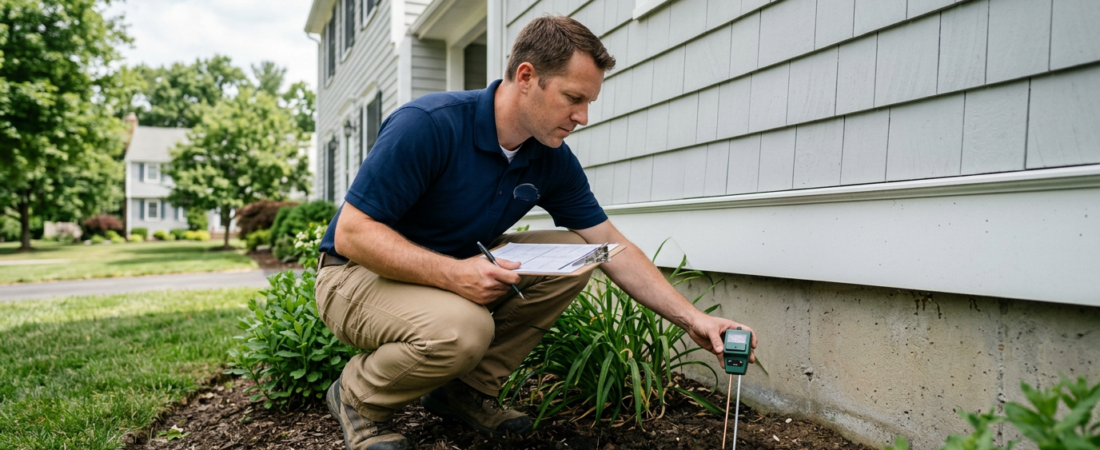
- Moisture Meter: For suspicious areas, a non-invasive moisture meter can help detect elevated moisture levels in the wood.
Repair Strategies
- Minor Gaps: Small gaps can often be filled with caulk or wood filler, then painted to match.
- Repainting/Refinishing: If the finish is worn, a fresh coat of paint or sealant can protect the wood and refresh its look. Ensure the surface is clean and dry before applying.
- Replacing Damaged Boards: For warped, rotted, or pest-damaged boards, careful removal and replacement with new shiplap is often the best solution. Ensure the new board matches the existing profile and finish.
- Moisture Mitigation: If moisture is the root cause, addressing the source (e.g., fixing a leak, improving ventilation) is paramount before repairing the shiplap.
- Pest Treatment: If pests are identified, professional pest control may be necessary before repairing or replacing affected boards.
When to Call a Specialist
While some shiplap issues are DIY-friendly, certain situations warrant professional help:
- Extensive Moisture Damage: If large areas of shiplap show signs of water damage, or if the source of moisture is unclear, a home inspector or water damage restoration specialist can help identify the problem and recommend solutions.
- Suspected Mold Growth: Visible mold or persistent musty odors require professional mold remediation to ensure safe and thorough removal.
- Pest Infestation: If you find evidence of termites, carpenter ants, or other wood-destroying organisms, a pest control professional should be consulted immediately.
- Structural Concerns: If shiplap issues appear to be related to structural movement or damage to the wall framing behind it, a structural engineer or experienced contractor should investigate.
- Complex Installation/Repair: For intricate shiplap installations or repairs requiring specialized tools and expertise, a skilled carpenter or contractor can ensure a quality outcome.
Frequently Asked Questions About Shiplap
- Is shiplap a good idea for bathrooms? Shiplap can be used in bathrooms, but it’s crucial to use moisture-resistant materials and ensure excellent ventilation to prevent moisture damage and mold growth.
- Can shiplap hide mold? Yes, shiplap can unfortunately conceal mold or other issues behind it, especially if there’s a moisture problem. This is why thorough inspection is important.
- How do I clean shiplap? For painted shiplap, a damp cloth with mild soap is usually sufficient. For unfinished or stained shiplap, follow the manufacturer’s recommendations for wood care.
- Does shiplap add value to a home? While subjective, well-maintained shiplap can enhance a home’s aesthetic appeal and may be seen as a desirable feature by many buyers, potentially adding perceived value.
- What’s the difference between shiplap and tongue-and-groove? Shiplap boards overlap, creating a small reveal or gap between panels. Tongue-and-groove boards interlock, creating a tighter, more seamless joint.
Official Reference Standards: Learn more at the American Society of Home Inspectors (ASHI).