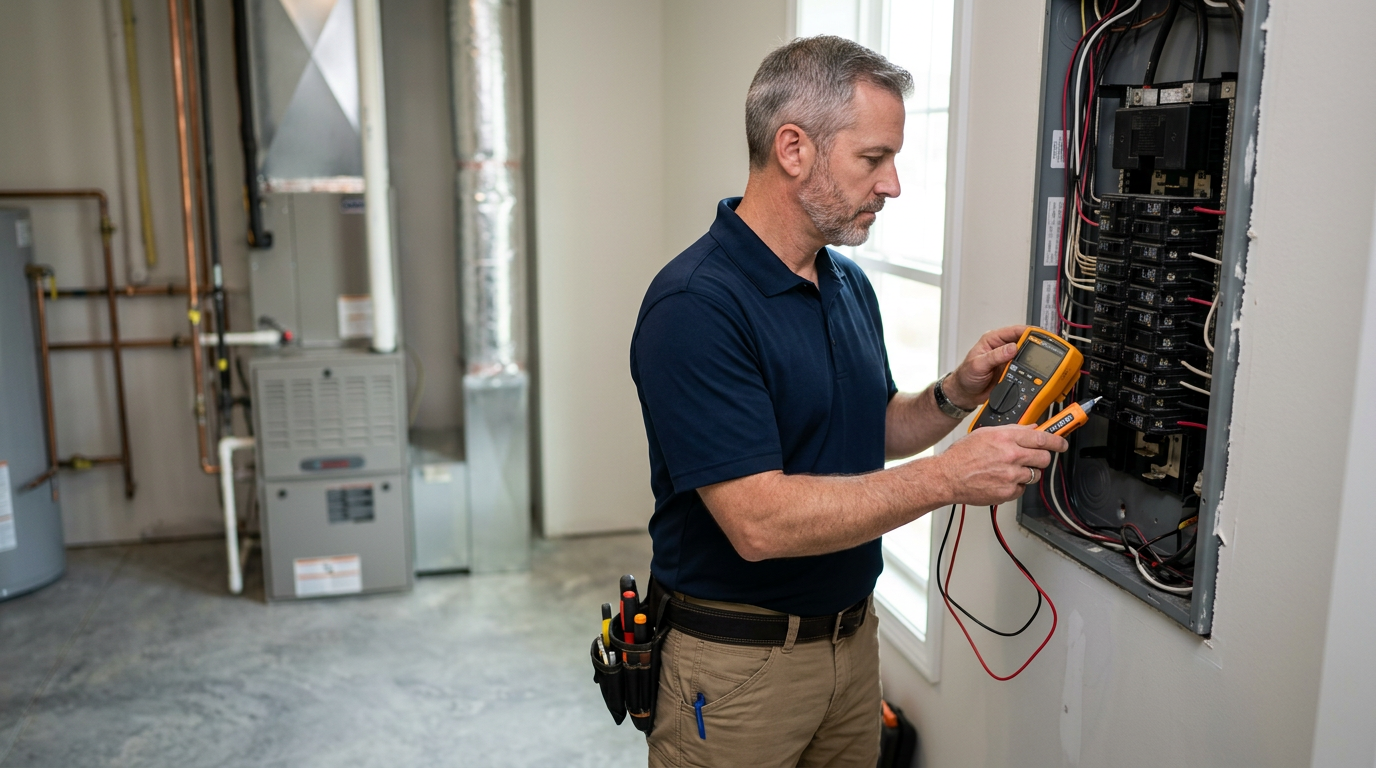
While a home inspection doesn’t directly teach you how to save electricity in your daily habits, it serves a crucial, foundational role: it identifies the physical conditions and systemic inefficiencies within a property that contribute to excessive electricity consumption. A thorough inspection by a qualified professional provides a detailed roadmap, highlighting areas where your home is losing energy, where systems are operating inefficiently, or where electrical components may be contributing to higher bills. Understanding these findings allows homeowners, prospective buyers, and sellers to make informed decisions about repairs and upgrades that lead to tangible, long-term electricity savings.
What a Home Inspector Looks For: Uncovering Energy Drains
A home inspector evaluates various systems and components that directly or indirectly impact your home’s electricity usage. Our focus is on identifying observable conditions that suggest energy waste or potential for improvement. We don’t just look for defects; we assess the overall performance context of the home’s energy envelope and critical systems.
The Building Envelope: Insulation, Air Sealing, and Fenestration
The building envelope – comprising the roof, walls, foundation, windows, and doors – is your home’s primary defense against energy loss. An inspector meticulously examines:
- Attic Insulation: We observe the type (e.g., fiberglass, cellulose, mineral wool), depth, and uniformity of attic insulation. Insufficient or poorly installed insulation (e.g., less than the recommended R-value for your climate zone, often R-38 to R-60 in many US regions) is a major contributor to heat transfer, forcing your HVAC system to work harder. We also look for signs of moisture intrusion that can compromise insulation effectiveness.
- Wall Insulation: While often concealed, we look for clues of inadequate wall insulation, such as cold spots (sometimes detectable with thermal imaging, if available) or uninsulated rim joists in basements/crawlspaces.
- Air Sealing: Visible gaps, cracks, and penetrations in the building envelope (e.g., around plumbing stacks, electrical wiring, recessed lighting, attic hatches) allow conditioned air to escape and unconditioned air to enter. We check for proper weatherstripping around doors and windows and look for signs of drafts.
- Windows and Doors: We assess the condition of windows and doors, noting single-pane versus double-pane, the integrity of seals, and proper operation. Drafty or poorly sealed windows and doors are significant sources of heat loss in winter and heat gain in summer.
HVAC System Efficiency
Your heating, ventilation, and air conditioning (HVAC) system is typically the largest consumer of electricity in a home. Inspectors evaluate:
- Unit Condition and Age: We note the general condition, age, and visible maintenance of the furnace, air conditioner, and heat pump units. Older systems are inherently less efficient.
- Air Filters: A dirty or clogged air filter significantly restricts airflow, making the HVAC system work harder and consume more electricity. This is a common, easily rectifiable issue.
- Ductwork: We visually inspect accessible ductwork for damage, disconnections, or inadequate insulation, especially in unconditioned spaces like attics and crawlspaces. Leaky ducts can lose 20-30% of conditioned air, wasting substantial electricity.
- Thermostat Functionality: We verify the thermostat operates correctly, though we don’t assess its programming capabilities.
Water Heater Performance
Water heating is another major energy consumer. We examine:
- Type and Condition: We note the type (tank, tankless, electric, gas) and general condition of the water heater. Electric tank water heaters can be significant electricity users.
- Insulation: We check if the tank is insulated, especially older models, and if hot water pipes are insulated near the heater.
- Signs of Leaks or Malfunction: Leaks can indicate inefficiency and lead to premature failure.
Electrical System and Appliances
While an inspector doesn’t typically assess individual appliance efficiency ratings, we do look for conditions in the electrical system that might indicate inefficiency or safety concerns:
- Electrical Service Panel: We inspect the service panel for proper wiring, appropriate breaker sizing, and signs of overheating or overloaded circuits. Frequent breaker trips can indicate an overloaded circuit, which while a safety concern, also points to the system struggling to meet demand, potentially leading to inefficient power delivery.
- Outlets and Switches: We test a representative number of outlets, including GFCI (Ground Fault Circuit Interrupter) and AFCI (Arc Fault Circuit Interrupter) receptacles, for proper function and wiring. While primarily safety features, a well-maintained electrical system operates more reliably.
- Lighting: We note the presence of older, less efficient incandescent lighting fixtures versus modern LED or CFL fixtures, which can offer significant electricity savings.
Defects and Red Flags Indicating Energy Waste
During an inspection, certain findings immediately signal potential for significant electricity waste:
- Inadequate Attic Insulation: If the insulation depth is visibly low or uneven, or if there are large uninsulated areas, it’s a major red flag for heat loss/gain. The U.S. Department of Energy provides regional R-value recommendations.
- Damaged or Disconnected Ductwork: Visible gaps, tears, or disconnections in HVAC ductwork in attics, crawlspaces, or basements mean conditioned air is being lost before it reaches living spaces.
- Dirty HVAC Filters: A filter visibly caked with dust and debris is a clear sign of restricted airflow and reduced system efficiency.
- Excessive Drafts: Strong drafts around windows, doors, or electrical outlets indicate poor air sealing and significant energy leakage.
- Single-Pane Windows: In many climates, single-pane windows are highly inefficient compared to modern double-pane, low-E glass units.
- Uninsulated Water Heater or Pipes: An uninsulated hot water tank or exposed hot water pipes can lose a substantial amount of heat, increasing electricity demand.
- Frequent Breaker Trips: While primarily a safety issue, frequently tripping circuit breakers can indicate overloaded circuits, suggesting that the electrical system is struggling to meet demand, potentially leading to inefficient power use and higher bills.
Common Homeowner Mistakes That Obstruct Energy-Efficiency Assessments
To ensure a comprehensive energy-related assessment during a home inspection, homeowners should avoid these common pitfalls:
- Blocking Access: Ensure clear access to the electrical service panel, attic hatches, crawlspace entry points, and HVAC units (both indoor and outdoor). Boxes, furniture, or stored items can prevent the inspector from evaluating critical components.
- Dirty HVAC Filters: While an inspector will note a dirty filter, changing it regularly is a simple maintenance task that improves efficiency and allows for a better assessment of the system’s baseline performance.
- Utilities Turned Off: If the electricity, water, or gas are off, the inspector cannot operate and evaluate the HVAC system, water heater, or test electrical components, limiting the assessment of their functional efficiency.
- Unprepared Windows/Doors: Ensure all windows and doors are accessible and operable so the inspector can check their seals and functionality.
- Cluttered Basements/Crawlspaces: Obstructions can prevent the inspector from checking insulation, ductwork, and potential air leaks in these areas.
Repair Cost vs. Benefit & Negotiation Implications
Addressing energy inefficiencies identified during a home inspection offers a compelling return on investment. While some repairs may involve upfront costs, the long-term savings on electricity bills can be substantial. For sellers, proactively addressing these issues before an inspection can significantly improve the home’s marketability and reduce potential points of negotiation.
- Improved Market Value: An energy-efficient home is more attractive to buyers, often commanding a higher selling price and selling faster.
- Reduced Negotiation Points: By fixing issues like inadequate insulation or leaky ducts beforehand, sellers can present a home with fewer ‘red flags’ related to energy costs, potentially avoiding requests for credits or price reductions.
- Long-Term Savings: For buyers, understanding and addressing these issues post-purchase translates directly into lower monthly utility bills, making the home more affordable to own over time.
It’s important to evaluate inspection findings fairly and professionally. While an inspector identifies conditions, the decision to repair and the negotiation of costs are business decisions between parties. However, presenting clear evidence of energy waste provides a strong basis for discussion.
Repair & Specialist Guidance for Electricity Savings
Once energy-wasting issues are identified, knowing who to call for repairs is key:
- HVAC Technician: For issues related to the furnace, air conditioner, heat pump, or ductwork. They can perform system tune-ups, seal leaky ducts, and recommend appropriate filter types.
- Insulation Contractor: For adding or replacing attic, wall, or crawlspace insulation, and for comprehensive air sealing services.
- Electrician: For electrical panel upgrades, addressing overloaded circuits, installing energy-efficient lighting, or smart home devices that manage electricity use.
- Plumber: For water heater repairs, replacement, or adding insulation to the tank and hot water pipes.
- General Contractor/Handyman: For simpler tasks like weatherstripping doors and windows, sealing minor air leaks, or replacing outdated lighting fixtures.
- Energy Auditor: For a more in-depth analysis, a certified energy auditor can perform blower door tests and thermal imaging to pinpoint exact air leakage points and insulation deficiencies, providing a detailed plan for energy upgrades. The U.S. Department of Energy offers resources on finding qualified energy auditors.
Actionable Home Inspection Checklist for Electricity Savings
Use this checklist to prepare for your home inspection and identify potential areas for electricity savings:
- Check Attic Insulation: Visually inspect your attic. Is the insulation depth consistent and at least to the top of the floor joists (often indicating R-30 or more)? Are there any bare spots or compressed areas?
- Inspect HVAC Filters: Check your furnace/AC air filter. Is it clean? Replace it if it’s dirty.
- Examine Ductwork: In accessible areas (attic, basement, crawlspace), look for visible gaps, tears, or disconnections in your HVAC ducts.
- Test for Drafts: On a windy day, or using a lit incense stick, check around windows, doors, and electrical outlets for drafts.
- Assess Window/Door Seals: Check the weatherstripping and caulking around all exterior windows and doors for deterioration or gaps.
- Water Heater Insulation: If you have a tank water heater, is it insulated, especially if it’s an older model? Are the first 6 feet of hot water pipes insulated?
- Electrical Panel Access: Ensure the electrical service panel is easily accessible, not blocked by storage or furniture.
- Note Lighting Types: Take stock of how many incandescent bulbs you still use. Consider switching to LEDs.
- Provide Access: Ensure all access points (attic, crawlspace, utility closets) are clear and unlocked for the inspector.
- Keep Utilities On: Confirm electricity, water, and gas services are active for operational checks.
Frequently Asked Questions About Home Inspections and Electricity Savings
Q1: How much electricity can I realistically save by addressing inspection findings?
A: The potential savings vary significantly based on your home’s current condition, climate, and the extent of improvements. However, addressing major issues like inadequate insulation, air leaks, and inefficient HVAC systems can often lead to 10-30% or more reduction in your electricity bills. For instance, sealing air leaks and adding insulation can save an average homeowner about 15% on heating and cooling costs, according to the U.S. Department of Energy.
Q2: Does a standard home inspection include an energy audit?
A: No, a standard home inspection is not an energy audit. A home inspection identifies visible defects and conditions that may impact energy use, but it does not quantify energy loss or provide specific energy efficiency ratings. An energy audit involves specialized equipment like blower door tests and thermal cameras to precisely measure air leakage and insulation performance, offering detailed recommendations for upgrades. An inspector may recommend a separate energy audit if significant issues are suspected.
Q3: What are the biggest electricity drains in a typical American home?
A: In most US homes, heating and cooling (HVAC) consume the largest portion of electricity, followed by water heating. Other significant users include major appliances (refrigerators, washers, dryers), lighting, and electronics (including ‘phantom loads’ from devices plugged in but not actively in use).
Q4: Should I upgrade my electrical panel to save electricity?
A: Upgrading your electrical panel primarily addresses safety and capacity issues, not direct electricity savings. However, an outdated or undersized panel can lead to frequently tripping breakers, which might indicate overloaded circuits. While not directly saving electricity, a modern, properly sized panel ensures your electrical system operates safely and efficiently, supporting newer, more energy-efficient appliances without strain. If your inspector notes an outdated or problematic panel, an upgrade is recommended for safety and reliability.
Q5: Is it worth replacing old windows for energy savings?
A: Replacing old, single-pane, or poorly sealed windows with modern, energy-efficient models (e.g., double-pane with low-E coatings) can significantly reduce heat transfer and improve comfort, leading to electricity savings. The cost-effectiveness depends on the age and condition of your existing windows, the climate, and the cost of new windows. An inspector can identify problematic windows, and an energy auditor can help quantify potential savings to determine if replacement is a worthwhile investment for your specific home.