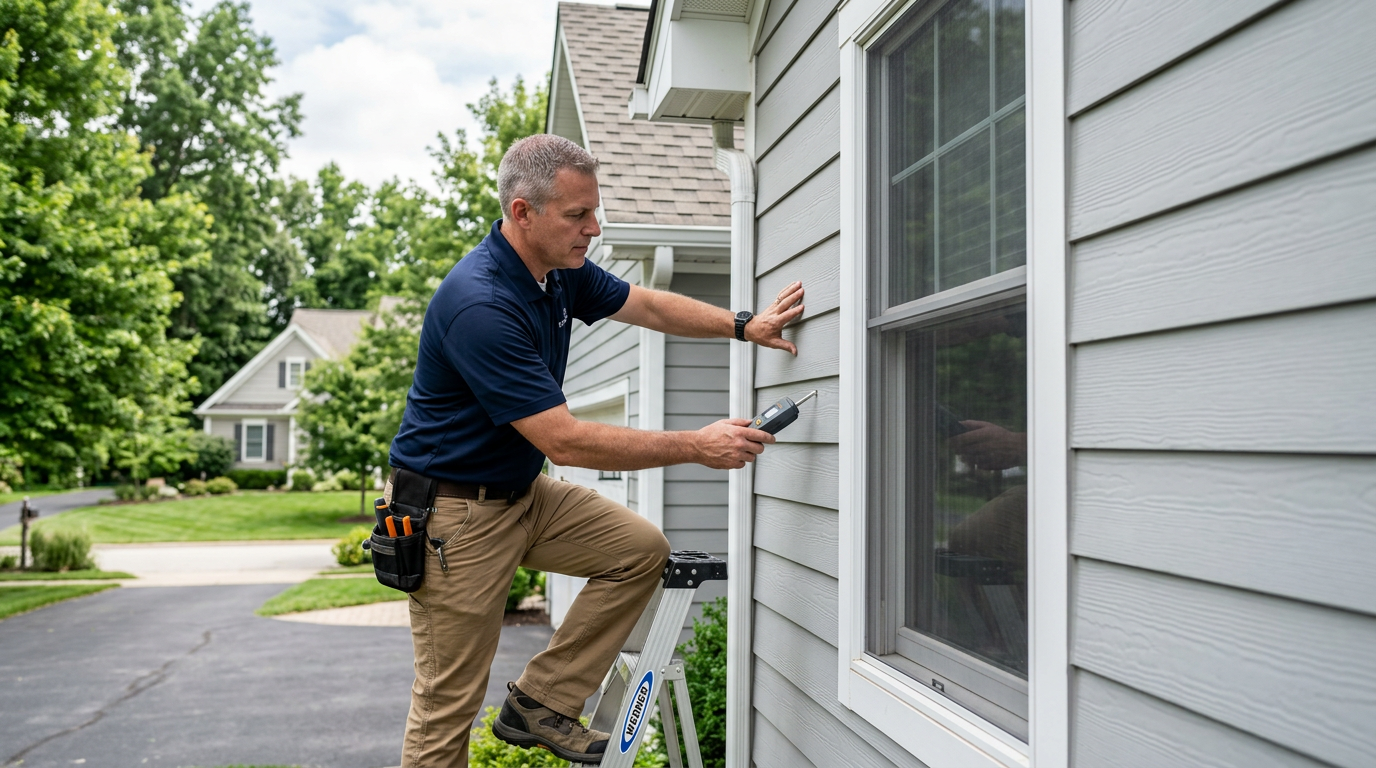
Siding replacement is a significant home improvement, often necessitated by age, damage, or a desire for improved aesthetics and energy efficiency. From a home inspection perspective, evaluating the existing siding is about far more than curb appeal; it’s a critical assessment of the home’s primary defense against the elements. A professional home inspector meticulously examines the siding to identify current and potential issues that could compromise structural integrity, lead to moisture intrusion, or impact energy performance. Understanding these findings is crucial for making informed decisions, whether you’re buying, selling, or maintaining your property. Complete Guide to Siding for House Inspection
Understanding Siding’s Role in Home Integrity
Your home’s siding serves as its first line of defense against weather, pests, and environmental wear. Beyond its aesthetic contribution, siding is integral to the building envelope, working in conjunction with flashing, sealants, and the underlying moisture barrier to protect the structural components from water damage. A well-maintained siding system helps regulate indoor temperatures, contributing to energy efficiency, and deters pests from gaining access to the wall cavities. Conversely, compromised siding can lead to a cascade of problems, from rot and mold growth to structural degradation and increased utility bills.
When is Siding Replacement Necessary? Beyond Cosmetic Concerns
While cosmetic damage can certainly prompt a desire for new siding, true replacement necessity often stems from deeper, more critical issues.
Signs of Deterioration
Visible signs like extensive cracking, warping, buckling, or widespread fading and chalking can indicate that siding has reached the end of its service life. For wood siding, this might manifest as dry rot or insect damage. For vinyl, brittleness and widespread cracking, especially after impacts, are red flags. Fiber cement siding can show signs of delamination or chipping if not properly installed or maintained.
Moisture Intrusion and Structural Impact
This is arguably the most critical factor. If siding is failing to shed water effectively, moisture can penetrate the wall assembly. Inspectors use tools like moisture meters to detect elevated moisture levels behind the siding, even when visible signs are minimal. Chronic moisture intrusion can lead to wood rot in framing, sheathing, and trim, fostering mold growth, and potentially compromising the structural integrity of the home. Evidence of water stains on interior walls or ceilings, or a musty odor, especially in basements or crawlspaces, can be indirect indicators of exterior moisture issues.
Energy Efficiency Considerations
Older or damaged siding, particularly if it lacks an adequate insulation layer or house wrap, can contribute to significant heat loss or gain. Gaps, cracks, or loose panels allow air infiltration, making your HVAC system work harder and increasing energy consumption. While not always the primary driver for replacement, improving energy efficiency is a substantial benefit of new, properly installed siding.
The Home Inspector’s Approach to Siding Evaluation
A professional home inspector conducts a thorough, visual, non-invasive examination of the siding, adhering to standards of practice like those set by ASHI inspection standards. The goal is to identify material defects, signs of distress, and conditions that may lead to future problems.
Visual Inspection Techniques
Inspectors walk the perimeter of the home, examining each elevation for:
- Material Condition: Looking for cracks, chips, dents, holes, rot, rust, or missing sections.
- Installation Quality: Checking for proper overlap, fastening, and trim details.
- Flashing and Sealants: Ensuring that flashing around windows, doors, penetrations (like dryer vents or hose bibs), and at roof-to-wall intersections (kick-out flashing) is present, correctly installed, and in good condition. Sealants (caulking) are checked for cracking, shrinking, or missing sections.
- Clearances: Verifying adequate clearance between the bottom edge of the siding and the grade, concrete, or roofing materials to prevent moisture wicking and pest access.
- Grading and Drainage: Assessing if the surrounding landscape slopes away from the foundation, preventing water from pooling against the siding.
Tools of the Trade
While primarily visual, inspectors may use tools to augment their observations:
- Moisture Meters: Non-invasive or pin-type moisture meters are invaluable for detecting elevated moisture levels in suspect areas, such as around windows, doors, or at the base of walls, which could indicate hidden leaks or moisture intrusion.
- Binoculars: For inspecting higher sections of siding that are not safely accessible.
- Probes: For carefully testing the integrity of wood components suspected of rot.
Distinguishing Repair from Replacement
A key aspect of the inspector’s evaluation is determining if issues are isolated and repairable, or widespread enough to warrant full replacement. A few cracked vinyl panels or a small section of rotted wood trim might be repairable. However, extensive dry rot, widespread moisture intrusion, or multiple areas of failing material often point towards the need for comprehensive replacement.
Common Siding Materials and Their Inspection Nuances
Different siding materials have distinct characteristics and common failure points.
Vinyl Siding
Inspectors look for cracks, holes, loose panels (especially at corners or around openings), buckling (often due to improper installation allowing for thermal expansion), and chalking/fading. Missing J-channel or F-channel trim can lead to water penetration.
Fiber Cement Siding
Known for durability, inspectors check for chipping, delamination, cracks (especially at corners or around fasteners), and proper painting/sealing. Improper clearances from grade or roofing can lead to moisture absorption and deterioration.
Wood Siding
Common issues include rot, insect damage (termites, carpenter ants), splitting, warping, and peeling paint. Inspectors pay close attention to end grains, butt joints, and areas near the ground or roof lines where moisture accumulation is common.
Stucco
Stucco (especially EIFS – Exterior Insulation and Finish Systems) requires careful inspection for cracks (hairline vs. structural), efflorescence (white mineral deposits indicating moisture), bulging, and signs of moisture behind the finish, particularly around windows, doors, and rooflines. Poorly installed or maintained stucco can be a significant source of moisture intrusion.
Brick/Stone Veneer
While highly durable, inspectors examine mortar joints for deterioration, cracks in bricks/stones, and proper weep holes at the base to allow moisture to escape. Missing or damaged flashing above windows/doors or at the foundation can lead to significant water issues.
Defects and Red Flags Indicating Siding Replacement
Certain findings are strong indicators that siding replacement is either imminent or already overdue.
Cracks, Warping, and Discoloration
Widespread cracking, severe warping, or buckling across multiple sections of siding suggests material fatigue or significant underlying issues. Extensive discoloration, especially dark streaks or patches, can indicate mold, mildew, or water runoff problems that are staining the material.
Rot, Pests, and Fungal Growth
Soft, spongy areas in wood siding or trim are definitive signs of rot. Evidence of pest activity, such as boreholes, frass (insect droppings), or nests, often indicates moisture-damaged wood. Visible fungal growth (mold, mildew, algae) on the siding itself, or on adjacent structural components, points to persistent moisture issues that the siding is failing to prevent.
Compromised Flashing and Sealants
Missing, damaged, or improperly installed flashing at critical junctures (e.g., roof-to-wall, around windows/doors, utility penetrations) is a major red flag. Deteriorated or missing caulk allows water to penetrate behind the siding, leading to hidden damage. These are often primary entry points for moisture intrusion.
Moisture Readings and Interior Damage
Elevated moisture readings from a moisture meter, particularly in areas without visible exterior damage, are serious indicators of hidden water penetration. Paired with interior signs like water stains, peeling paint, or soft drywall, these findings strongly suggest that the siding system is failing and allowing water into the home’s structure.
Grading and Drainage Issues Affecting Siding
While not a direct siding defect, poor grading and drainage around the foundation can exacerbate siding problems. If soil or landscaping is piled against the siding, or if rainwater pools near the foundation, the bottom edge of the siding is constantly exposed to moisture, leading to premature deterioration, rot, and pest infestation.
Homeowner Preparation for a Siding Inspection
Preparing your home for an inspection, especially when siding is a concern, can ensure a more thorough and accurate assessment.
Common Homeowner Mistakes to Avoid
- Obstructed Access: Ensure all sides of the house are clear of dense shrubbery, stacked materials, or locked gates that prevent the inspector from walking the perimeter and closely examining the siding.
- Pets Left Loose: Secure pets to ensure the inspector’s safety and ability to move freely around the property.
- Blocked Interior Views: If there are known or suspected moisture issues, ensure interior walls in those areas are not obscured by furniture or decor, allowing the inspector to look for signs of water intrusion.
- Unmaintained Gutters: Clogged gutters can cause water to overflow and run down the siding, leading to premature wear and moisture damage. Clean them before the inspection.
- Ignoring Minor Issues: While the inspector will find them, being aware of and addressing small issues like loose panels or cracked caulk beforehand can present the home in a better light.
Repair vs. Replacement: Cost, Benefit, and Negotiation
Deciding between repair and full replacement involves weighing costs, long-term benefits, and potential impacts on a real estate transaction.
Evaluating the Scope of Work
Minor, localized damage can often be repaired by patching, replacing individual panels, or re-caulking. However, if damage is widespread, if the underlying moisture barrier is compromised, or if the siding material itself is obsolete or failing across large sections, replacement becomes the more cost-effective and durable solution in the long run. A professional inspector’s report will help delineate the scope of the problem.
Impact on Property Value
New siding offers significant return on investment, improving curb appeal, energy efficiency, and protecting the home’s structure. It can be a major selling point, increasing property value and marketability. Conversely, failing siding can deter buyers and lead to significant price reductions or demands for credits.
Negotiation Considerations
For sellers, addressing accessible problems like loose panels or minor caulk issues before an inspection can improve the property’s presentation and potentially reduce the number of repair requests. For buyers, an inspection report detailing significant siding defects provides leverage for negotiation, allowing them to request repairs, a price reduction, or a credit to cover the cost of future replacement. It’s essential that these findings are evaluated fairly and professionally, with estimates from qualified contractors to inform the negotiation process.
Actionable Checklist for Siding Evaluation
Use this checklist to assess your home’s siding or prepare for a professional inspection:
When to Call a Specialist
While a home inspector can identify defects, they do not perform invasive testing or provide repair estimates. Certain findings necessitate further evaluation by a qualified specialist.
General Contractor or Siding Specialist
If the inspection report indicates widespread siding damage, significant moisture intrusion, or a need for full replacement, a reputable general contractor or a specialized siding company should be consulted. They can provide detailed assessments, repair/replacement options, and accurate cost estimates. They will also ensure that new siding complies with local building codes, as outlined by organizations like the International Code Council (ICC).
Structural Engineer
In cases where prolonged moisture intrusion has led to suspected structural damage (e.g., sagging floors, bowed walls, significant rot in load-bearing elements), a structural engineer should be engaged. They can assess the extent of structural compromise and recommend appropriate remediation.
Pest Control Professional
If the inspection reveals active pest infestations (termites, carpenter ants) associated with damaged siding, a licensed pest control professional is necessary to treat the issue and prevent further damage.
Moisture Remediation Specialist
If mold or significant water damage is found inside the wall cavities or interior spaces due to siding failure, a moisture remediation specialist can safely and effectively address the mold and dry out affected areas.
Frequently Asked Questions (FAQs)
Q1: How long does siding typically last?
A1: The lifespan of siding varies greatly by material. Vinyl siding can last 20-40 years, fiber cement 30-50 years, and wood siding 20-40 years with proper maintenance. Stucco can last 50-100 years, while brick and stone veneer can last over 100 years. Factors like climate, installation quality, and maintenance significantly impact these estimates.
Q2: Can I just repair sections of my siding instead of replacing it all?
A2: Yes, localized damage can often be repaired. If only a few panels are cracked, or a small section of wood is rotted, a repair is usually feasible and more cost-effective. However, if the damage is widespread, if the material is obsolete, or if there’s significant underlying moisture damage, full replacement is often the better long-term solution.
Q3: What are the biggest red flags for siding during a home inspection?
A3: Major red flags include widespread cracking, buckling, or warping; significant rot or pest damage in wood siding; evidence of moisture intrusion (e.g., elevated moisture meter readings, interior water stains); and missing or improperly installed flashing around windows, doors, and rooflines.
Q4: Does new siding improve my home’s energy efficiency?
A4: Yes, new siding, especially when installed with a proper house wrap and insulation board, can significantly improve your home’s energy efficiency by reducing air infiltration and improving the thermal envelope. This can lead to lower heating and cooling costs.
Q5: What should I do if my home inspection report recommends siding replacement?
A5: If your inspection report recommends siding replacement, obtain detailed quotes from at least two to three reputable siding contractors. These quotes will help you understand the scope of work and associated costs. If you are a buyer, use this information to negotiate with the seller for repairs, a price reduction, or a credit at closing. If you are a homeowner, use the information to plan your home improvement project.
Official Reference: For additional context, consult InterNACHI home inspection guidance.
Official Reference: For additional context, consult ASHI inspection standards and guidance.