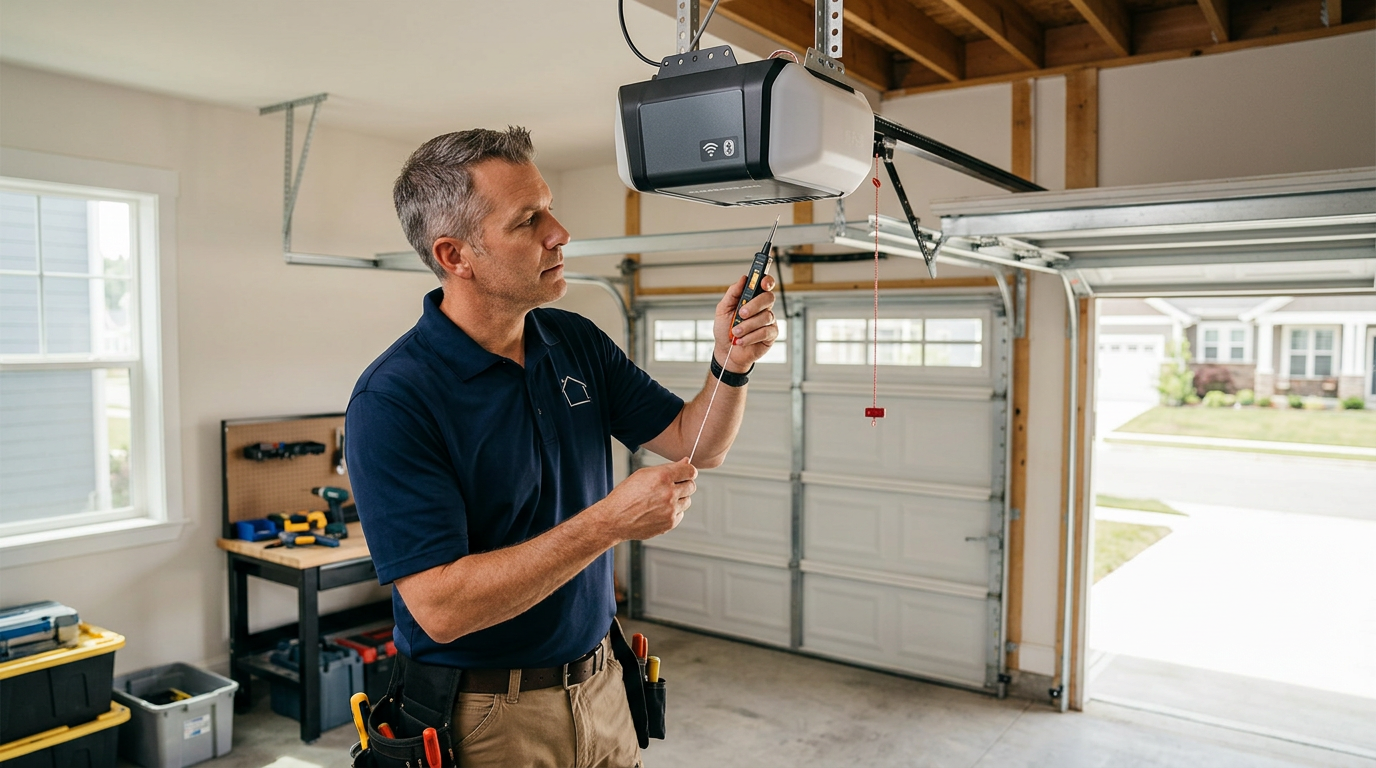
A smart garage door opener is an electromechanical system that allows for the remote control and monitoring of a garage door, typically via a smartphone application, voice commands, or integration with other smart home platforms. During a home inspection, the evaluation of a smart garage door opener extends beyond the basic operational checks of traditional openers. Our focus is to assess its fundamental safety mechanisms, structural integrity, and electrical connections, ensuring it operates reliably and, most importantly, safely for occupants. While we note the presence of smart features, the core of the inspection remains on the physical and mechanical components that ensure safe and consistent operation, rather than the performance of its network connectivity or app functionality.
The Role of Smart Garage Door Openers in Modern Homes
Smart garage door openers represent a significant evolution from their traditional counterparts, offering enhanced convenience, security, and integration capabilities. Beyond simply opening and closing the garage door with a remote, these systems often provide features such as remote access control, real-time status notifications (e.g., ‘door is open’), activity logs, and integration with other smart home devices like security cameras or lighting systems. For homeowners, this means greater control and peace of mind. For prospective buyers, a well-maintained and properly functioning smart opener can be an attractive feature, adding to the home’s overall appeal and technological readiness. However, these advanced features do not diminish the importance of the underlying mechanical and safety components, which remain paramount during a home inspection.
Home Inspection of Smart Garage Door Openers: What We Evaluate
A comprehensive home inspection of a smart garage door opener involves a detailed examination of its operational, safety, structural, and electrical aspects. Our goal is to identify visible deficiencies that could impact safety, functionality, or longevity.
Operational Functionality
- Smoothness of Operation: The inspector will observe the door’s movement during opening and closing cycles. It should operate smoothly, without excessive jerking, grinding, or sticking.
- Remote and Keypad Function: We test the primary remote controls and any exterior keypads to ensure they reliably activate the opener.
- Manual Operation: The emergency release mechanism is tested to confirm the door can be disengaged from the opener and operated manually, which is crucial during power outages or system malfunctions.
Critical Safety Features
The safety features of any garage door opener, smart or traditional, are non-negotiable and receive meticulous attention during an inspection. These are designed to prevent serious injury or death.
- Photo-Electric Safety Sensors: These infrared sensors, typically located 4-6 inches above the garage floor on either side of the door opening, create an invisible beam. If this beam is broken while the door is closing, the door should immediately reverse to its fully open position. Common issues include misalignment, obstruction (e.g., spiderwebs, debris), or damaged wiring. A failure here is a significant safety defect.
- Automatic Reversal Mechanism: This feature ensures that if the closing door encounters an obstruction (such as a person or object) that the safety sensors might miss, it will reverse direction. Inspectors test this by placing a 2×4 board laid flat on the garage floor in the path of the closing door. The door must reverse upon contact. Failure to reverse indicates a severe safety hazard.
- Emergency Release: The red-handled cord hanging from the opener trolley is designed to disconnect the door from the opener, allowing manual operation. We verify it is accessible and functions correctly.
- Force Settings: While not always directly tested by an inspector due to the risk of altering factory settings, excessive force can be indicated by the door’s behavior. If the door struggles to open or close, or reverses too easily without obstruction, it may suggest improper force settings or an unbalanced door.
Physical and Structural Integrity
- Opener Mounting and Support: The opener unit must be securely fastened to the garage ceiling or wall framing. Loose mounting can lead to vibration, noise, and eventual failure.
- Door Components: The entire garage door system works in concert with the opener. We examine:
- Springs: Torsion springs (mounted above the door) or extension springs (running along the tracks) are critical for balancing the door’s weight. We look for rust, damage, or signs of improper tension. Damaged springs are extremely dangerous and should only be handled by professionals.
- Cables: These connect the springs to the door and must be free of fraying or rust.
- Rollers: Rollers guide the door along the tracks; worn or broken rollers can cause jerky operation.
- Tracks: Tracks should be clean, free of obstructions, and properly aligned. Dents or bends can impede door movement.
- Hinges: We check for loose or broken hinges on the door panels.
Electrical Considerations
- Power Supply: The opener should be plugged into a properly grounded, dedicated electrical receptacle. We inspect the power cord for damage.
- GFCI Protection: While the opener itself may not require GFCI protection, if the receptacle it’s plugged into is located in a garage, especially near a water source or in an unfinished area, local codes may require it to be GFCI-protected. Inspectors will test GFCI receptacles using a GFCI receptacle tester.
Smart Technology Integration (Observation Only)
An inspector will note the presence of smart features (e.g., Wi-Fi connectivity, smart hub), but will not typically test the functionality of the associated smartphone applications, network connectivity, or integration with other smart home systems. Our role is to assess the physical and safety aspects of the opener, not the performance of its digital interface or network security.
Common Defects and Red Flags
Identifying these issues early can prevent costly repairs or, more importantly, accidents:
- Failure of Safety Mechanisms: Any malfunction of the photo-electric sensors or the auto-reverse mechanism is a critical safety defect requiring immediate attention.
- Excessive Wear and Tear: Frayed cables, rusted or broken springs, bent tracks, or worn rollers indicate a system nearing the end of its service life or in need of significant maintenance.
- Improper Installation or Mounting: An opener that is loosely mounted, or a door system with improperly installed tracks or springs, poses a structural risk and can lead to premature failure.
- Electrical Deficiencies: Damaged power cords, ungrounded receptacles, or lack of required GFCI protection are electrical hazards.
- Unusual Noises: Grinding, squealing, or excessive vibration during operation can signal issues with the motor, gears, or door components that require professional diagnosis.
- Door Imbalance: A door that is difficult to lift manually or falls quickly when disengaged from the opener indicates unbalanced springs, which puts undue strain on the opener motor and is a safety risk.
Common Homeowner Mistakes That Impede Inspection
To ensure a thorough and accurate inspection of your smart garage door opener, avoid these common pitfalls:
- Blocked Access: Vehicles, storage boxes, or other items blocking access to the opener unit, door tracks, or the area around the safety sensors can prevent a complete evaluation. Ensure the garage is clear.
- Lack of Operational Controls: If remotes or keypads are not readily available or have dead batteries, the inspector cannot fully test the opener’s functionality.
- Disabling Smart Features: While the inspector won’t test app functionality, ensuring the opener is powered and its basic smart features are active allows for a more complete observation of its status indicators.
- Unbalanced Door: If the garage door springs are severely out of balance, the inspector may limit testing to avoid damage to the opener or injury, noting the need for professional adjustment.
Repair Implications, Cost vs. Benefit, and Negotiation
Addressing issues with a smart garage door opener before an inspection can significantly benefit both sellers and buyers.
- Prioritizing Safety Repairs: Defects related to safety sensors or the auto-reverse mechanism are paramount. These are often relatively inexpensive to fix (e.g., sensor alignment, cleaning) but carry immense liability if neglected. Resolving them proactively demonstrates a commitment to safety and can prevent major buyer concerns.
- DIY vs. Professional: Minor issues like lubricating tracks and rollers or cleaning safety sensors can often be handled by a homeowner. However, any work involving garage door springs, cables, or the opener motor itself should be left to a qualified garage door technician due to the high tension and potential for serious injury.
- Impact on Negotiation: A fully functional and safe garage door opener, including its smart features, enhances the perceived value of the home. Conversely, identified defects, especially safety-related ones, will likely lead to requests for repair credits or price concessions. Proactive repairs can reduce the scope of negotiation points and present the home in its best light.
When to Call a Specialist
While a home inspector identifies visible defects, certain issues require the expertise of a specialized professional:
- Licensed Garage Door Technician: For any issues involving the garage door springs, cables, tracks, rollers, or the opener’s motor and drive system. This includes spring replacement, track alignment, cable repair, or opener unit replacement. These components are under extreme tension and can be very dangerous to repair without proper training and tools.
- Licensed Electrician: If the inspection reveals issues with the electrical wiring supplying the garage door opener, such as an ungrounded receptacle, damaged wiring, or a lack of required GFCI protection. An electrician can ensure the power supply meets current electrical codes and safety standards.
Actionable Home Inspection Checklist for Smart Garage Door Openers
Use this checklist to prepare for an inspection or to perform your own routine maintenance:
- Clear the Area: Ensure the garage floor beneath and around the garage door and opener is clear of vehicles, boxes, and debris.
- Check Power: Verify the opener is plugged in and receiving power.
- Test Remotes/Keypads: Have all operational remotes and keypads readily available and ensure they have working batteries.
- Observe Operation: Open and close the door several times, listening for unusual noises and observing smooth movement.
- Test Photo-Electric Sensors: While the door is closing, wave your foot or an object through the sensor beam. The door should immediately reverse.
- Test Auto-Reverse Mechanism: Place a 2×4 board (laid flat) on the garage floor in the path of the closing door. The door should reverse upon contact.
- Check Emergency Release: Pull the red cord to disengage the door from the opener. The door should be easy to lift manually and stay in place when partially open (indicating balanced springs). Re-engage the door.
- Inspect Physical Components: Visually check springs, cables, tracks, rollers, and hinges for signs of rust, fraying, bends, or damage.
- Examine Mounting: Look for any looseness where the opener unit attaches to the ceiling or wall.
- Inspect Electrical: Check the power cord for damage and ensure the outlet is functional. If applicable, test the GFCI outlet.
- Note Smart Features: Be aware of any smart features and their general status, though detailed app testing is outside the scope of a home inspection.
Frequently Asked Questions (FAQs)
Here are answers to common questions regarding smart garage door opener inspections:
1. Does a home inspector test the smart features of my garage door opener?
No, a home inspector typically does not test the network connectivity, smartphone app functionality, or integration with other smart home systems. The inspection focuses on the physical operation, safety mechanisms, structural integrity, and electrical components of the opener.
2. How important are the safety sensors on a garage door opener?
The safety sensors are critically important. They are a primary safety mechanism designed to prevent the door from closing on a person, pet, or object, thereby preventing serious injury or death. Any malfunction of these sensors is considered a significant safety defect.
3. Can I replace the garage door springs myself?
It is strongly advised against. Garage door springs, especially torsion springs, are under extreme tension and can cause severe injury or even death if mishandled. Replacement and adjustment should always be performed by a qualified and experienced garage door technician.
4. What’s the typical lifespan of a garage door opener?
The average lifespan of a garage door opener is generally 10 to 15 years, depending on usage, maintenance, and environmental factors. Components like springs may need replacement sooner, typically after 10,000 to 20,000 cycles.
5. Is it normal for a garage door opener to be noisy?
Some noise is normal, especially with chain-drive openers. However, excessive grinding, squealing, or loud banging noises are not normal and can indicate issues with the motor, gears, rollers, or an unbalanced door. These noises warrant further investigation by a professional.
Official References
For further information on garage door safety and inspection standards, consult authoritative resources such as the International Association of Certified Home Inspectors (InterNACHI), which provides comprehensive guidelines for home inspectors, and the U.S. Consumer Product Safety Commission (CPSC) for general safety information related to consumer products, including garage door openers.
Related Home Inspection Guide: Complete Guide to how to clean houseAdd tag Complete Guide to Midea Dehumidifiers in Home Inspections