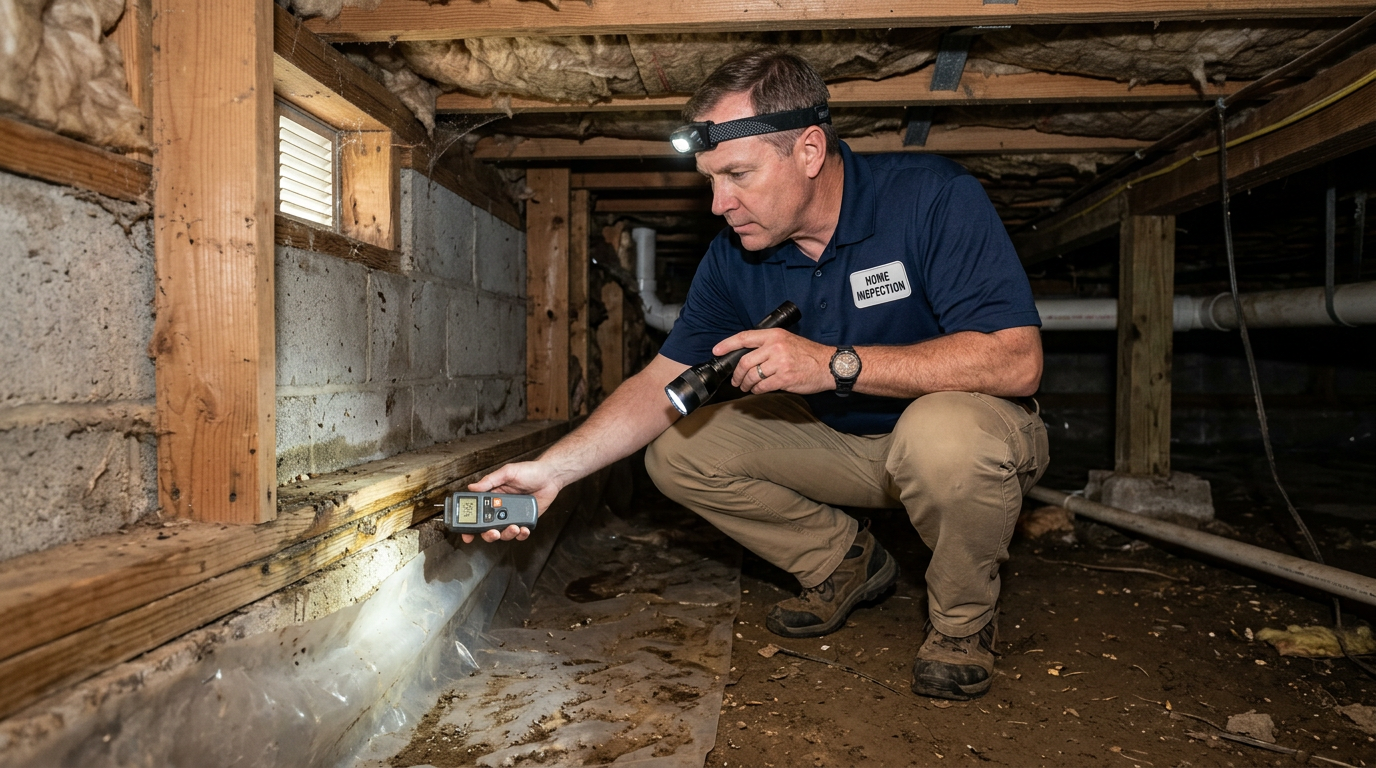
Getting rid of cockroaches effectively requires a comprehensive strategy that goes beyond surface-level extermination. From a home inspection perspective, addressing a cockroach infestation means identifying the species, eliminating their food and water sources, sealing entry points, and often, engaging professional pest control services. Crucially, a thorough home inspection can pinpoint the environmental conditions within a property that attract and sustain these resilient pests, such as unaddressed moisture issues or structural vulnerabilities, which are often the root cause of persistent infestations.
What a Home Inspector Looks For: Beyond the Visible Roach
While the sight of a live cockroach is an undeniable indicator, a professional home inspector employs a systematic approach to identify both active infestations and conditions conducive to their presence. Our goal is not to diagnose a pest control issue, but to report on visible evidence and environmental factors that may lead to or exacerbate pest problems.
Visible Evidence of Infestation
- Live or Dead Specimens: The most obvious sign. Seeing roaches during daylight hours often indicates a severe infestation, as they are primarily nocturnal.
- Droppings (Fecal Matter): Often resembling coffee grounds or black pepper specks, or dark smears along walls and in corners. The size and shape can sometimes indicate the species.
- Egg Casings (Oothecae): These small, capsule-shaped casings are where cockroach eggs develop. Finding them confirms active breeding within the property.
- Shed Skins: As cockroaches grow, they molt, leaving behind their exoskeletons.
- Odor: A distinct, musty, oily odor can be noticeable in areas with heavy infestations.
Conducive Conditions and Technical Considerations
An inspector’s keen eye extends to identifying the environmental factors that attract and sustain cockroaches:
- Moisture Intrusion: Cockroaches thrive in damp environments. Inspectors meticulously check for signs of active or past water leaks using visual cues and, where appropriate, a moisture meter. This includes examining plumbing fixtures (under sinks, behind toilets, around showers), checking for condensation issues around HVAC components, and assessing the integrity of the roof and foundation for signs of water penetration. Damp crawlspaces or basements with standing water are significant red flags.
- Food Sources: While not directly an inspection item, evidence of poor sanitation, accessible food debris, or overflowing garbage can be noted as conditions that would attract pests.
- Entry Points: Inspectors look for potential access points from the exterior, such as cracks in the foundation, gaps around utility penetrations (pipes, wires), unsealed pipe chases, damaged weather stripping on doors and windows, and torn window screens.
- Harborage Areas: Cockroaches seek dark, undisturbed places. Inspectors will visually scan behind appliances, inside accessible cabinets, utility closets, and in less-frequented areas like attics and crawlspaces. While we do not open sealed electrical service panels, we note conditions around them that could indicate pest activity.
- Grading and Drainage: Poor exterior grading that directs water towards the foundation can lead to moisture issues in the basement or crawlspace, creating ideal conditions for pests.
Common Defects and Red Flags
During an inspection, certain findings elevate a pest sighting from a minor concern to a significant defect:
- Active Infestation: Multiple live cockroaches, especially during the day, indicate a well-established and likely severe problem.
- Heavy Fecal Staining and Oothecae: Extensive droppings and numerous egg casings suggest a long-term, breeding infestation that requires professional intervention.
- Unaddressed Moisture Issues: Leaking pipes, persistent condensation, or standing water in crawlspaces are not only conducive to roaches but can also lead to structural damage and mold.
- Evidence of Previous DIY Attempts: While commendable, excessive use of over-the-counter sprays or baits without resolving the underlying issues often means the problem is larger than perceived and has not been effectively managed.
- Structural Gaps and Deterioration: Large unsealed openings in the building envelope or damaged foundational elements provide easy access and harborage.
These red flags are important because cockroaches are not merely unsightly; they can carry bacteria, trigger allergies and asthma, and contaminate food surfaces. The presence of these pests can significantly impact indoor air quality and overall home health.
Common Homeowner Mistakes That Obstruct Inspections and Exacerbate Infestations
Homeowners, particularly sellers, often inadvertently hinder the inspection process or worsen pest issues through common oversights:
- Ignoring Early Signs: A single cockroach often indicates many more are hidden. Delaying action allows the population to explode.
- Surface-Level Cleaning: Cockroaches hide in cracks, crevices, and behind appliances. A quick wipe-down won’t eliminate their food sources or harborage.
- Blocking Access: Storing boxes, furniture, or personal items against basement walls, in crawlspaces, or in front of mechanical/electrical panels (like the electrical service panel) prevents inspectors from thoroughly examining these critical areas for pest activity or conducive conditions.
- Turning Off Utilities: If water is shut off, plumbing leaks cannot be identified, which are primary attractants for cockroaches.
- Leaving Pets Loose: While not directly related to roaches, loose pets can distract inspectors and limit access to certain areas, potentially obscuring pest evidence.
- Over-Reliance on DIY Solutions: For established infestations, professional expertise is often necessary to break the breeding cycle and address hidden nests.
Repair Cost vs. Benefit & Negotiation Implications
Addressing cockroach infestations and their underlying causes before a home inspection can significantly benefit sellers. A property free of visible pest activity and conducive conditions presents much better to prospective buyers. Visible signs of roaches are immediate deterrents and often lead to demands for substantial credits, price reductions, or even deal termination. Complete Guide to How to Get Rid of Roaches: An Inspector’s Perspective on Infestation, Moisture, and Home Health Complete Guide to How to Get Rid of Gnats in the House: An Inspector’s Perspective on Moisture, Siding, and Home Health Complete Guide to How to Get Rid of Ants in the House: An Inspector’s Perspective on Siding and Moisture Management Complete Guide to how to clean houseAdd tag
Proactive remediation demonstrates diligence and care for the property, potentially streamlining the sales process and reducing negotiation friction. The cost of professional pest control for an average infestation might range from a few hundred to over a thousand dollars, depending on severity and the number of treatments. Repairing a leaky faucet or sealing a foundation crack might be a few hundred dollars. These costs are typically far less than the potential loss in sale price or the credits a buyer might demand for a visible pest problem and associated repairs.
Repair & Specialist Guidance
Effective cockroach elimination and prevention often require a multi-pronged approach involving various specialists:
- Pest Control Professional: For active infestations, a licensed pest control technician is essential. They can accurately identify the species, apply targeted treatments, and provide ongoing monitoring and prevention strategies.
- Plumber: If the inspection reveals leaky pipes, dripping faucets, or other plumbing issues contributing to moisture, a licensed plumber should be consulted immediately. This includes addressing issues with water heaters or drain lines.
- HVAC Technician: Excessive condensation from HVAC systems or clogged condensate drains can create damp environments. An HVAC professional can diagnose and repair these issues.
- General Contractor or Handyman: For sealing larger structural gaps, repairing damaged weather stripping, screens, or minor foundation cracks that serve as entry points.
- Home Inspector: While not a repair specialist, a pre-listing home inspection can identify these conducive conditions and potential entry points, allowing sellers to address them proactively.
Remember, simply spraying for roaches without addressing the moisture, food sources, and entry points will likely result in a recurring problem.
Printable Home Inspection Checklist: Addressing Cockroaches and Conducive Conditions
Use this checklist to prepare your home for an inspection and proactively manage potential cockroach issues:
- Thorough Cleaning: Deep clean all kitchen and bathroom areas, including behind and under appliances (refrigerator, stove, dishwasher).
- Eliminate Food Sources: Store all food in airtight containers. Wipe down counters daily. Empty trash cans regularly and use sealed bins.
- Address Moisture:
- Check all plumbing fixtures for leaks (faucets, toilets, under sinks). Repair any drips immediately.
- Ensure no standing water in drip pans under refrigerators or HVAC units.
- Verify bathroom and kitchen exhaust fans are functioning and vented to the exterior.
- If you have a crawlspace, check for standing water or excessive humidity. Consider a vapor barrier or dehumidifier.
- Seal Entry Points:
- Caulk cracks and crevices around baseboards, cabinets, and utility penetrations.
- Seal gaps around pipes and wires entering walls.
- Inspect and repair weather stripping on doors and windows.
- Ensure all window and door screens are intact.
- Seal any visible cracks in the foundation or exterior walls.
- Reduce Clutter: Declutter storage areas, especially in basements, attics, and utility closets, to eliminate harborage spots.
- Exterior Maintenance:
- Ensure proper grading and drainage around the foundation, directing water away from the house.
- Trim back vegetation from the house perimeter.
- Store firewood away from the house.
- Professional Pest Control (If Needed): If you suspect an active infestation, consult a licensed pest control professional before the inspection.
- Ensure Access: Clear access to all mechanical systems, electrical panels, attic hatches, and crawlspace entries for the inspector.
Frequently Asked Questions (FAQs)
Q1: What do cockroach droppings look like, and where should I look for them?
A1: Cockroach droppings vary by species but often resemble small black specks, similar to coffee grounds or black pepper, or dark, elongated smears. You’ll typically find them in areas where roaches congregate: inside kitchen cabinets, along baseboards, behind appliances, in pantry corners, and near plumbing fixtures.
Q2: Can a home inspector confirm a cockroach infestation?
A2: A home inspector will report on visible evidence of cockroaches, such as live or dead specimens, droppings, or egg casings. While we identify the presence of pests and conditions conducive to them, we are not pest control experts. Our report will recommend further evaluation by a licensed pest control professional for definitive diagnosis and treatment.
Q3: Are cockroaches a sign of a dirty home?
A3: While poor sanitation and accessible food sources certainly attract cockroaches, their presence doesn’t always mean a home is ‘dirty.’ They can enter even meticulously clean homes through cracks, utility lines, or even on groceries. However, a clean and well-maintained home significantly reduces their ability to thrive and multiply.
Q4: How long does it take to get rid of cockroaches?
A4: The timeline varies greatly depending on the species, severity of the infestation, and the methods used. A minor issue might be resolved in a few weeks with diligent effort. Severe infestations, especially those requiring structural repairs and professional treatments, could take several months to fully eradicate and prevent recurrence.
Q5: What are the health risks associated with cockroaches?
A5: Cockroaches can pose several health risks. They are known carriers of various bacteria, including Salmonella and E. coli, which can contaminate food and surfaces. Their droppings and shed skins contain allergens that can trigger asthma attacks and allergic reactions, particularly in children and sensitive individuals. For more information on indoor air quality and pests, resources like the EPA offer valuable guidance, though specific to radon, the principle of indoor environmental health applies.
Official Reference: For additional context, consult InterNACHI home inspection guidance.