Finding gnats buzzing around your home can be incredibly frustrating. To effectively get rid of gnats in the house, you must first identify and eliminate their breeding sources. These tiny pests, often fungus gnats or drain flies, thrive in damp environments rich in organic matter. This means addressing overwatered houseplants, decaying food, clogged drains, and any areas of persistent moisture or organic accumulation. While immediate measures like sticky traps or DIY sprays can offer temporary relief, a lasting solution requires a deeper understanding of your home’s environmental conditions. From a home inspection perspective, gnats are often a red flag, indicating potential underlying issues with moisture management, sanitation, or even structural integrity that create ideal breeding grounds.
Understanding Gnat Infestations from an Inspector’s View
A home inspector doesn’t directly eliminate pests, but we are trained to identify conditions conducive to pest infestations, including gnats. Gnats are not merely an annoyance; their presence often points to a specific set of environmental factors within your home that require attention. Our role is to identify these ‘red flag’ conditions, which typically revolve around moisture and organic decay.
Gnats as Indicators: Beyond the Nuisance
When an inspector observes a significant gnat presence, it immediately prompts a more thorough investigation into potential moisture sources. Fungus gnats, for instance, are attracted to damp soil and decaying plant matter, often found in overwatered potted plants. Drain flies, on the other hand, breed in the organic sludge that accumulates in slow or rarely used drains. Both indicate a localized problem that, if left unaddressed, could lead to more significant issues like mold growth or attract other, more destructive pests.
Common Attractants and Inspection Points
During an inspection, we systematically evaluate areas known to harbor gnat attractants:
- Moisture Sources: This is paramount. We look for active leaks under sinks, around toilets, in basements, and especially in crawlspaces. Condensation buildup due to poor ventilation or inadequate attic insulation can also create damp conditions.
- Organic Decay: While we don’t inspect your compost bin, we do look for signs of decaying wood or organic debris in damp areas, such as a crawlspace or near a foundation.
- Standing Water: Any area where water collects and stagnates, from a leaky plumbing shutoff valve to a poorly sloped shower pan, can become a breeding ground.
The Critical Role of Moisture Management in Gnat Prevention
Effective moisture management is the cornerstone of preventing gnat infestations and maintaining a healthy home. An inspector’s keen eye and specialized tools are crucial in identifying hidden moisture sources.
Plumbing Leaks: Hidden Havens for Gnats
Even a small, slow plumbing leak can create the perfect damp environment for gnats. An inspector will check:
- Under Sinks: We look for water stains, active drips, or corrosion on supply lines and drain pipes. A moisture meter can detect elevated moisture levels in the cabinet base or adjacent walls.
- Around Toilets: Leaks at the base of the toilet or from the tank can saturate flooring or subflooring, often unnoticed until a gnat problem or soft floor becomes apparent.
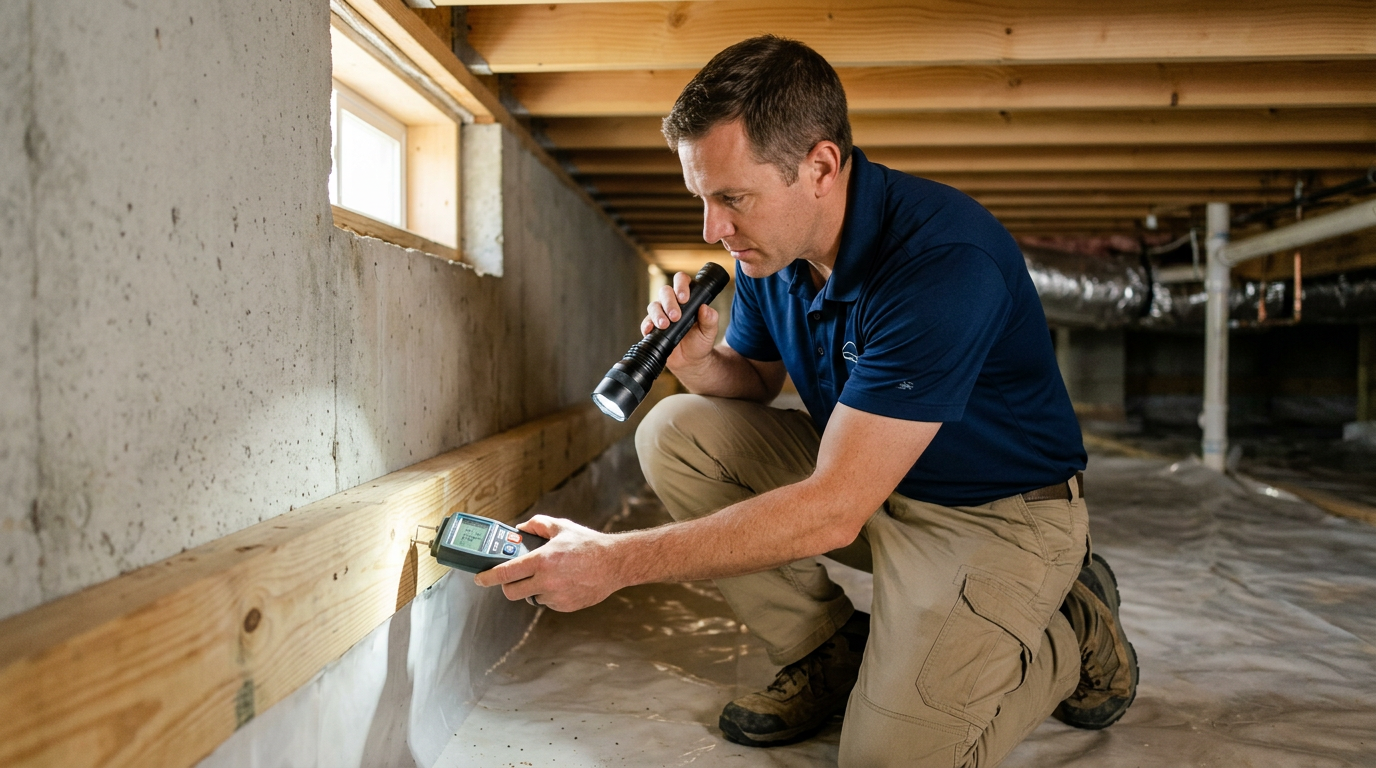
- Crawlspaces and Basements: These areas are prime suspects. Leaky pipes, foundation cracks allowing water intrusion, or simply high humidity can lead to damp soil, rotting wood, and standing water – all gnat magnets. We use flashlights and moisture meters to probe for dampness on joists, subflooring, and foundation walls.
Condensation, Humidity, and Ventilation
Excessive indoor humidity, often from poor ventilation in bathrooms, kitchens, or laundry areas, can lead to condensation on cool surfaces. This moisture can promote mold growth, which fungus gnats feed on. An inspector assesses ventilation systems, including exhaust fans and attic ventilation, and notes signs of chronic condensation.
Exterior Drainage: Protecting Your Foundation and Siding
The exterior grading and drainage around your home are critical. Improper grading that slopes towards the foundation, clogged gutters, or misdirected downspouts can lead to water pooling against the foundation. This can saturate the soil, seep into crawlspaces or basements, and even affect the lower sections of your siding. Such conditions create damp, organic-rich environments ideal for gnat breeding and can lead to more serious issues like wood rot or foundation damage. Complete Guide to How to Get Rid of Ants in the House: An Inspector’s Perspective on Siding and Moisture Management The Definitive Guide to Siding Replacement: Inspection, Evaluation, and Actionable Steps Complete Guide to Siding for House Inspection
Siding for House: A Key Defense Against Pests and Moisture
The integrity of your home’s siding is not just about curb appeal; it’s a primary defense against moisture intrusion and pest entry, directly impacting conditions that attract gnats.
How Siding Protects Your Home
Your home’s siding acts as a crucial barrier, shielding the structural components from rain, wind, and pests. When siding is compromised, it opens pathways for moisture to penetrate wall cavities, leading to damp insulation, rotting wood, and an environment ripe for mold and various pests, including gnats.
Common Siding Defects & Gnat Connections
An inspector meticulously examines the siding for defects that could contribute to gnat-attracting conditions:
- Cracks and Gaps: Even hairline cracks in stucco or gaps between siding panels can allow moisture to seep behind the siding, creating damp pockets.
- Rotting or Deteriorated Siding: Wood siding, especially near the ground or where it’s exposed to splashback, can rot. This decaying organic material is a direct food source and breeding ground for fungus gnats and other insects.
- Loose or Missing Panels: These create direct entry points for moisture and pests into the wall structure.
- Improper Flashing: Around windows, doors, and at roof-to-wall junctions, roof flashing is essential. Missing or improperly installed flashing can direct water behind the siding, leading to hidden moisture damage.
- Siding-to-Foundation Junction: We pay close attention to where the siding meets the foundation. If there isn’t adequate clearance or if the siding is buried, it can wick moisture from the ground, leading to rot and pest harborage.
Inspection of Siding: What an Inspector Looks For
Our inspection of siding involves:
- Visual Assessment: Looking for visible damage, discoloration, bowing, or signs of moisture intrusion.
- Tactile Examination: Gently probing wood siding for soft spots indicative of rot.
- Moisture Meter Readings: Using a moisture meter on suspicious areas of siding or interior walls adjacent to exterior walls to detect elevated moisture content, even if no visible damage is present.
Beyond Siding: Other Inspection Findings Related to Gnats
While siding is a critical component, gnats can originate from many other areas within a home’s structure and systems.
Crawlspaces & Basements: The Damp Underbelly
These areas are notorious for moisture issues. Inspectors look for:
- Standing Water: Indicates drainage problems or leaks.
- High Humidity: Often leads to condensation on pipes and structural elements.
- Organic Debris: Leaf litter, wood scraps, or even old insulation can become damp and decompose, attracting gnats.
- Foundation Cracks: Pathways for water intrusion.
Attics: Roof Leaks and Condensation
Though less common for gnats, attic issues can contribute:
- Roof Leaks: Water stains on attic insulation or sheathing indicate roof leaks, which can lead to damp conditions in walls or ceilings below.
- Poor Ventilation: Can cause condensation, leading to damp wood or insulation.
Interior Plumbing: Drains and Disposals
Drain flies specifically breed in the organic film inside drains. An inspector may note slow drains or the presence of these flies, suggesting a need for drain cleaning. We also check for leaks around plumbing fixtures and the proper function of GFCI receptacle/outlet testing in wet areas, ensuring safety alongside moisture management.
HVAC Components: Condensate Lines
The condensate pan and drain line of an HVAC system can become clogged, leading to standing water – a perfect breeding ground for various insects, including gnats.
Common Homeowner Mistakes That Attract Gnats & Hinder Inspection
Homeowners often unknowingly create conditions favorable for gnats or impede an inspector’s ability to identify these issues. Avoiding these mistakes can lead to a more thorough inspection and a healthier home environment.
- Overwatering Houseplants: The most common cause of fungus gnats. Saturated soil provides an ideal breeding ground.
- Neglecting Drains: Allowing organic matter to build up in kitchen or bathroom drains creates a food source for drain flies.
- Ignoring Leaks: Small drips under sinks or around toilets are often overlooked but can quickly lead to damp conditions.
- Blocking Access to Problem Areas: Storing boxes against basement walls, blocking access to crawlspace entries, or cluttering areas under sinks can prevent an inspector from thoroughly examining potential moisture sources.
- Turning Off Utilities: If water or electricity is turned off, an inspector cannot fully test plumbing fixtures, check for leaks, or verify the operation of exhaust fans, which are crucial for moisture control.
- Poor Exterior Maintenance: Clogged gutters, improper grading, or unaddressed siding damage can lead to chronic moisture issues around the foundation and within wall cavities.
Defects & Red Flags for Gnat-Related Issues
During an inspection, certain observations immediately signal a higher likelihood of gnat-attracting conditions:
- Visible Mold or Mildew: Indicates chronic dampness and organic growth.
- Water Stains: On ceilings, walls, subflooring, or cabinet bases, suggesting past or present leaks.
- Soft or Spongy Wood: Especially around windows, doors, baseboards, or in crawlspaces, indicating wood rot.
- Musty Odors: A strong indicator of hidden moisture and potential mold.
- Active Drips or Puddles: Direct evidence of plumbing leaks or water intrusion.
- Damaged or Deteriorated Siding: Cracks, rot, or missing sections that allow moisture penetration.
- Inadequate Grading: Soil sloping towards the foundation, directing rainwater into the home.
- Clogged or Damaged Gutters/Downspouts: Leading to uncontrolled water runoff against the house.
Repair Implications, Cost vs. Benefit, and Negotiation
Addressing the root causes of gnat infestations, particularly moisture and siding issues, is not just about pest control; it’s about maintaining the structural integrity and health of your home. Proactive repairs can significantly impact property value and buyer confidence.
For sellers, resolving these issues before an inspection can prevent them from becoming negotiation points. A buyer’s inspector will document all findings, and persistent pest issues linked to moisture or structural defects can lead to requests for significant credits or repairs. For instance, repairing damaged siding that allows moisture intrusion is a far more substantial and beneficial fix than merely spraying for gnats. While a pest control service might cost a few hundred dollars, repairing extensive wood rot behind compromised siding could run into thousands, depending on the scope. Investing in proper drainage solutions or plumbing repairs offers long-term benefits, preventing not only gnats but also mold, structural damage, and higher utility bills.
When issues are identified during an inspection, findings should be evaluated fairly. Buyers should understand that addressing the underlying cause is key. For example, a minor plumbing leak might be a few hundred dollars to fix, but if it has led to extensive subfloor damage, the repair cost escalates. These are critical considerations in real estate transactions, where transparency and professional assessment are paramount.
When to Call a Specialist
While a home inspector identifies the conditions, specific repairs and treatments require licensed professionals:
- Pest Control Specialist: For severe or persistent gnat infestations, especially if DIY methods fail, or if other pests are present.
- Plumber: For any identified plumbing leaks, slow drains, or issues with plumbing shutoffs.
- Roofer: If roof leaks or compromised roof flashing are contributing to moisture in the attic or walls.
- General Contractor/Siding Specialist: For significant siding repair or replacement, or if structural wood rot is present.
- HVAC Technician: If condensate lines are clogged or the HVAC system is contributing to humidity issues.
- Water Damage Restoration Specialist: For extensive water damage, mold remediation, or drying out damp areas like crawlspaces.
Printable Home Inspection Checklist: Identifying Gnat Sources
Use this actionable checklist to proactively identify and mitigate conditions that attract gnats in your home, both before and after a professional inspection.
- Inspect Houseplants:
- Check soil for excessive moisture; allow top inch to dry between waterings.
- Remove any decaying leaves or organic matter from soil surface.
- Consider adding a layer of sand or diatomaceous earth to soil to deter gnats.
- Examine Drains:
- Pour boiling water down kitchen and bathroom drains to kill larvae and break down organic film.
- Clean garbage disposal thoroughly.
- Check P-traps for standing water and clean if necessary.
- Ensure all drains are free-flowing; address any slow drains.
- Check for Plumbing Leaks:
- Look under all sinks for drips, water stains, or dampness.
- Inspect around toilets for leaks at the base or tank.
- Check washing machine hoses and dishwasher connections.
- In basements/crawlspaces, look for active leaks from pipes, water heaters, or foundation walls.
- Assess Exterior Drainage:
- Ensure gutters are clear of debris and downspouts extend away from the foundation (at least 5-6 feet).
- Verify that the ground around your home slopes away from the foundation, not towards it.
- Inspect Siding and Exterior Envelope:
- Walk around your home and visually inspect siding for cracks, rot, loose panels, or gaps.
- Look for areas where siding meets the ground or where flashing might be compromised.
- Seal any visible cracks or openings in the foundation or around windows/doors.
- Evaluate Humidity and Ventilation:
- Use exhaust fans in bathrooms and kitchens during and after moisture-producing activities.
- Consider a dehumidifier in damp basements or crawlspaces.
- Ensure attic ventilation is clear and unobstructed.
- Sanitation Practices:
- Empty trash cans regularly, especially those containing food waste.
- Clean up food spills promptly.
- Store fruits and vegetables properly, avoiding overripe produce left exposed.
- Clear Access for Inspection:
- Ensure all mechanical areas (electrical service panels, HVAC units, water heaters) are accessible.
- Clear pathways to attic and crawlspace access points.
- Remove clutter from under sinks and away from basement walls.
Frequently Asked Questions About Gnats and Home Health
Q1: Are gnats a sign of a serious problem in my house?
While gnats themselves are generally harmless, their presence often indicates an underlying moisture problem or an accumulation of decaying organic matter. These conditions can lead to more serious issues like mold growth, wood rot, or attract other pests. From an inspector’s perspective, gnats are a ‘tell’ that warrants further investigation into your home’s environmental health.
Q2: Can damaged siding contribute to gnat problems?
Absolutely. Damaged siding, such as cracks, rot, or loose panels, can allow moisture to penetrate wall cavities. This creates damp, dark environments where mold and mildew can thrive, providing a food source for fungus gnats. It can also lead to wood rot, which further attracts pests and provides breeding grounds.
Q3: What’s the difference between fungus gnats and drain flies, and why does it matter for home inspection?
Fungus gnats typically breed in damp soil and decaying organic matter, often associated with overwatered plants or moisture-damaged wood. Drain flies (or moth flies) breed in the gelatinous film that builds up in drains, P-traps, and septic systems. Knowing the type of gnat helps pinpoint the specific moisture source: fungus gnats suggest plant or structural moisture issues, while drain flies point to plumbing sanitation problems.
Q4: How can a home inspector help with a gnat problem?
A home inspector doesn’t perform pest control, but they excel at identifying the conditions that attract gnats. This includes detecting plumbing leaks, assessing exterior drainage, checking for elevated moisture levels in walls or crawlspaces using tools like moisture meters, and identifying structural deficiencies like damaged siding that allow moisture intrusion. By pinpointing these root causes, the inspector provides actionable insights for effective, long-term gnat elimination.
Q5: Is it better to fix gnat-attracting issues before selling my home?
Yes, addressing these issues before listing your home is highly recommended. Persistent gnat problems, especially those linked to moisture intrusion or damaged siding, will likely be noted in a buyer’s home inspection report. These findings can lead to buyer concerns, requests for repairs or credits, and potentially delay or complicate the sale. Proactive repairs demonstrate good home maintenance and can improve buyer confidence and the overall presentation of your property.
Official Reference: For additional context, consult InterNACHI home inspection guidance.
Official Reference: For additional context, consult ASHI inspection standards and guidance.