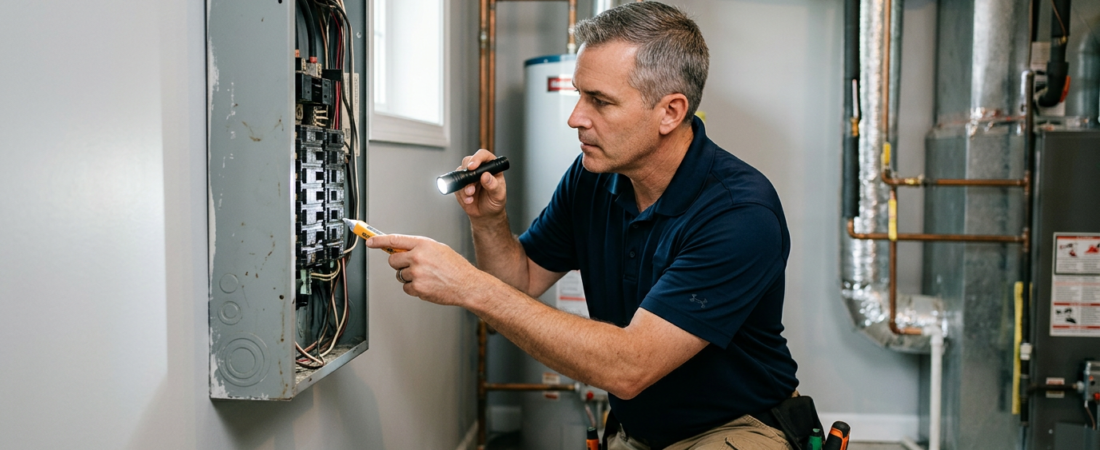
In the diverse landscape of American home architecture, various wall treatments contribute to a home’s aesthetic and structural integrity. Among these, ‘Lenigh panels’ represent a distinctive style of interior wall paneling, often characterized by a specific interlocking profile or a unique beveled edge that creates a subtle, elegant shadow line. While sharing conceptual similarities with popular finishes like shiplap, Lenigh panels possess their own characteristics that warrant specific attention during a home inspection. Understanding their construction, common issues, and maintenance needs is vital for homeowners, prospective buyers, sellers, and real estate professionals. Shiplap in Your Home: Understanding Inspection Findings, Maintenance, and Repair Complete Guide to Shiplap Inspection: What Home Inspectors Look For
Why Lenigh Panel Inspection is Crucial
Lenigh panels, whether original to an older home or a modern design choice, are more than just decorative. They can conceal underlying structural elements, contribute to insulation, and their condition can indicate broader issues within the home. A thorough inspection helps identify potential problems early, preventing costly repairs and ensuring the home’s overall health and safety.
Key Inspection Considerations for Lenigh Panels
When evaluating Lenigh panels, a home inspector focuses on several critical aspects:
- Installation Quality: Proper fastening, alignment, and spacing are essential. Poor installation can lead to warping, gaps, or detachment over time.
- Material Condition: Panels should be free from significant cracks, splits, rot, or delamination. The type of material (e.g., solid wood, engineered wood, MDF) influences its durability and susceptibility to certain issues.
- Moisture Intrusion: Water damage is a primary concern. Stains, swelling, discoloration, or a musty odor near panels can indicate leaks from roofs, windows, plumbing, or condensation.
- Pest Activity: Wood-boring insects like termites or carpenter ants can compromise the integrity of wood panels. Look for frass, boreholes, or damaged wood.
- Structural Integrity: While panels are not typically structural, significant movement, bowing, or detachment can signal underlying structural issues with the wall framing.
- Finishing and Coatings: Peeling paint, chipped varnish, or worn finishes can expose the material to moisture and accelerate deterioration.
- Proximity to Heat/Moisture Sources: Panels near fireplaces, stoves, bathrooms, or kitchens may show signs of heat damage, moisture damage, or inadequate ventilation.
Lenigh Panel Inspection Checklist & Procedure
A systematic approach ensures no critical detail is overlooked:
- Visual Scan (Overall): Begin with a general visual assessment of all Lenigh paneling. Note any obvious sagging, bowing, large gaps, or areas of discoloration.
- Close-Up Examination: Inspect individual panels for smaller defects like hairline cracks, chips, or minor surface imperfections.
- Moisture Detection: Use a moisture meter in suspicious areas (e.g., near windows, plumbing, exterior walls) to detect elevated moisture levels that might not be visible to the naked eye.
- Sounding: Gently tap on panels with a knuckle or small hammer. A hollow or dull sound can indicate delamination, rot, or pest damage behind the surface.
- Fastener Check: Look for loose, corroded, or protruding fasteners. Ensure panels are securely attached to the wall.
- Sealant and Trim Inspection: Examine caulking around edges, windows, and doors for cracks or deterioration that could allow moisture intrusion.
- Ventilation Assessment: In areas like bathrooms or basements, check for adequate ventilation that prevents moisture buildup which can affect panels.
- Behind the Panels (if accessible): In unfinished areas like basements or attics, inspect the reverse side of walls where Lenigh panels are installed for signs of leaks, mold, or structural issues.
Common Defects and Their Implications
- Warping or Cupping: Often caused by moisture fluctuations or improper installation, leading to aesthetic issues and potential gaps.
- Gaps Between Panels: Can result from material shrinkage, poor installation, or structural movement, allowing drafts or pest entry.
- Water Stains/Discoloration: Clear indicators of active or past moisture intrusion, potentially leading to mold growth or rot.
- Rot or Decay: A serious issue, typically due to prolonged moisture exposure, compromising the panel’s integrity and potentially spreading to framing.
- Pest Damage: Tunnels, frass, or weakened sections indicate active or past insect infestations that require professional remediation.
- Loose or Missing Panels: A safety hazard and a sign of installation failure or underlying wall issues.
- Cracked or Split Panels: Can be due to impact, excessive drying, or structural stress.
Maintenance and Repair Considerations
Addressing Lenigh panel issues promptly can prevent escalation:
- Minor Surface Damage: Small scratches or chips can often be filled with wood putty and repainted or stained to match.
- Loose Fasteners: Re-secure loose panels with appropriate fasteners, ensuring they are driven flush or countersunk.
- Gaps: Small gaps can sometimes be filled with flexible caulk. Larger gaps may require panel replacement or re-installation.
- Moisture Source Repair: The most critical step is to identify and fix the source of any water intrusion before attempting panel repair.
- Rot or Pest Damage: Affected sections of panels should be removed and replaced. For extensive damage, professional pest control or remediation is necessary.
- Repainting/Restaining: A fresh coat of paint or stain can protect panels and refresh their appearance, but proper surface preparation is key.
Estimated Repair Costs for Lenigh Panel Issues
Costs can vary significantly based on location, material, and the extent of damage. These are general estimates for common repairs:
When to Call a Specialist
While some minor repairs can be DIY, certain situations warrant professional expertise:
- Extensive Water Damage: If moisture has penetrated beyond the panels to the wall cavity, a moisture remediation specialist or general contractor is needed.
- Suspected Structural Issues: Significant bowing, leaning, or cracking of walls behind the panels indicates a need for a structural engineer’s assessment.
- Active Pest Infestation: Termites, carpenter ants, or other wood-destroying organisms require a licensed pest control professional.
- Lead-Based Paint or Asbestos Concerns: If panels are in an older home (pre-1978 for lead paint, pre-1980s for asbestos-containing materials), testing and abatement by certified professionals may be necessary before disturbance.
- Complex Panel Replacement: Matching existing Lenigh panel profiles or performing intricate repairs often requires a skilled carpenter or finish contractor.
Frequently Asked Questions About Lenigh Panels
- Q: Are Lenigh panels structural?
- A: No, Lenigh panels are typically a decorative finish material and do not contribute to the structural integrity of a home. However, their condition can sometimes indicate underlying structural problems.
- Q: How can I tell if my Lenigh panels have water damage?
- A: Look for discoloration, swelling, warping, soft spots, or a musty odor. A home inspector can use a moisture meter for a more accurate assessment.
- Q: Can I paint over Lenigh panels?
- A: Yes, most Lenigh panels can be painted. Proper preparation, including cleaning, sanding, and priming, is essential for a durable finish.
- Q: What’s the difference between Lenigh panels and shiplap?
- A: While both are types of wall paneling, Lenigh panels typically feature a specific interlocking or beveled profile that creates a distinct, often tighter, seam compared to the overlapping rabbet joint of traditional shiplap. The aesthetic and installation methods can differ.
- Q: How often should Lenigh panels be inspected?
- A: As part of a comprehensive home inspection, their condition should be assessed. For homeowners, a visual check during routine home maintenance is advisable, especially after severe weather or if any leaks are suspected.
Official Reference Standards: Learn more at the InterNACHI.
Official Reference Standards: Learn more at the American Society of Home Inspectors (ASHI).