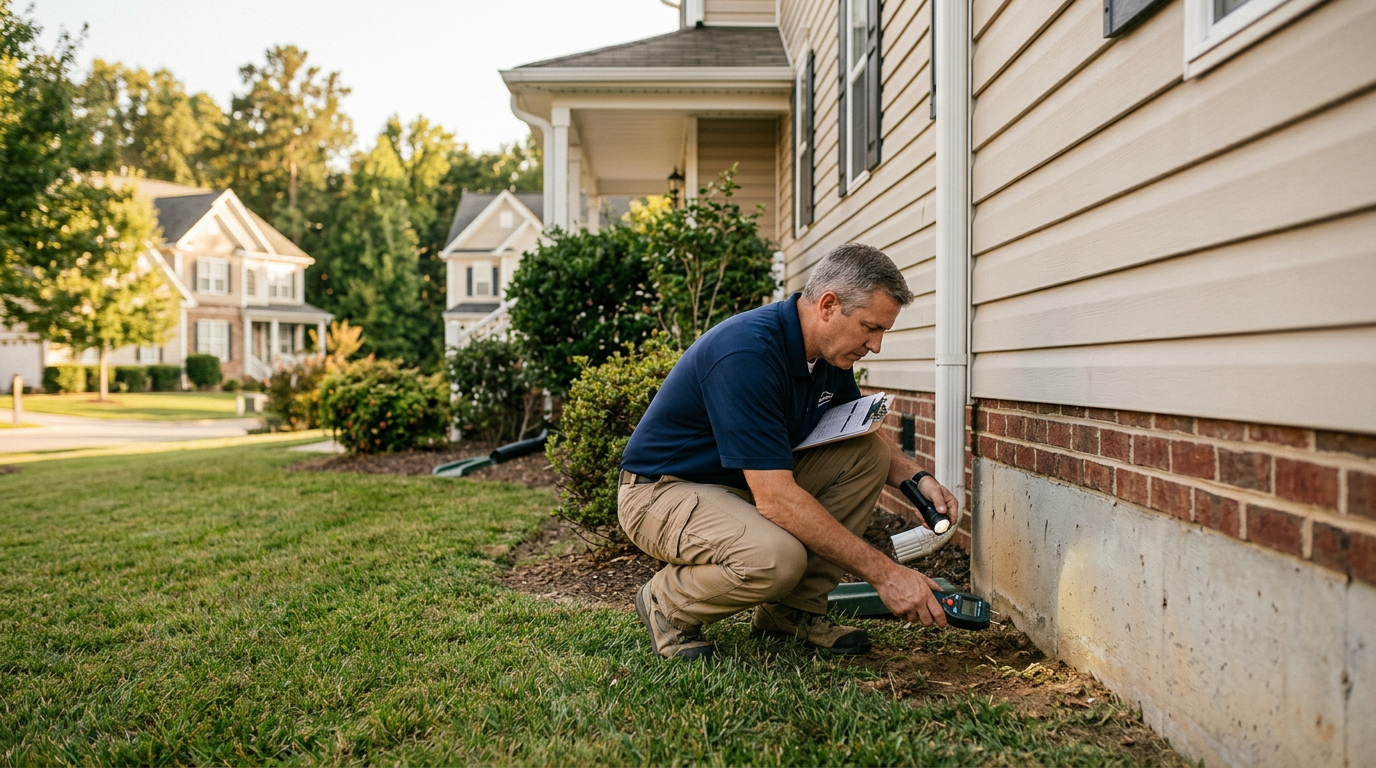
Proper exterior grading and drainage are not merely aesthetic considerations; they are foundational elements critical to a home’s structural integrity, indoor air quality, and long-term durability. For home inspectors, evaluating these systems is paramount because inadequate management of rainwater and surface water is a leading cause of significant and costly home damage, including foundation issues, basement flooding, and mold growth. Understanding how water flows around and away from your home is key to preventing these problems.
The Critical Role of Exterior Grading and Drainage in Home Health
Exterior grading refers to the slope of the ground surrounding your home, while drainage encompasses the systems designed to collect and divert water away from the structure. Together, they form the first line of defense against moisture intrusion. A well-designed grading and drainage system ensures that rainwater, snowmelt, and irrigation water are directed away from the foundation, preventing saturation of the soil, hydrostatic pressure buildup, and subsequent water penetration into basements or crawlspaces.
Without proper grading and drainage, water can accumulate against the foundation, leading to a host of problems:
- Foundation Damage: Saturated soil can exert immense hydrostatic pressure on foundation walls, causing cracks, bowing, or even structural failure. Expansive clay soils, common in many regions, can swell when wet and shrink when dry, leading to differential settlement and foundation movement.
- Moisture Intrusion: Water can seep through foundation cracks, porous concrete, or gaps around utility penetrations, leading to damp basements or crawlspaces. This creates an ideal environment for mold and mildew growth, attracting pests, and damaging stored items.
- Wood Rot and Pest Infestation: Persistent moisture near the sill plate or other wood components can lead to wood rot, compromising structural integrity and attracting termites and other wood-destroying organisms.
- Compromised Indoor Air Quality: Mold and mildew in basements or crawlspaces can release spores into the home’s living areas, exacerbating allergies and respiratory issues.
What a Home Inspector Looks For: Practical Evaluation
During a home inspection, an experienced professional meticulously evaluates the exterior grading and drainage systems, looking for visible signs of past or present water management issues. This goes beyond a cursory glance; it involves a systematic assessment of the property’s perimeter.
Grading Evaluation
Inspectors assess the slope of the ground immediately adjacent to the foundation. The general rule of thumb, often referenced in building codes, is that the ground should slope away from the foundation at a minimum rate of 6 inches in the first 10 feet. This ensures gravity effectively pulls water away. Key observations include:
- Positive vs. Negative Grading: Positive grading means the ground slopes away from the foundation. Negative grading, a significant red flag, indicates the ground slopes towards the foundation, channeling water directly into the structure.
- Soil Type and Compaction: While not always definitively diagnosable without excavation, inspectors note soil types (e.g., sandy, clay) and signs of poor compaction near the foundation, which can lead to settling and water pooling.
- Landscaping Elements: Flowerbeds, shrubs, and trees planted too close to the foundation can trap moisture, impede proper drainage, and even cause root intrusion into foundation walls or underground pipes. Raised planters or retaining walls that hold soil against the house are also scrutinized.
Drainage System Components
The inspector will examine all visible components designed to manage water flow:
- Gutters and Downspouts: These are crucial for collecting rainwater from the roof and directing it away. Inspectors check for:
- Condition: Rust, holes, loose sections, or sagging.
- Cleanliness: Clogged gutters filled with leaves, debris, or standing water indicate neglect and can cause water to overflow directly onto the foundation.
- Proper Pitch: Gutters must have a slight slope towards the downspouts to ensure efficient water flow.
- Downspout Extensions: Downspouts should discharge water at least 6 feet away from the foundation, ideally onto a splash block or into an underground drainage system. Short or missing extensions are common defects.
- Swales and French Drains: For properties with significant slopes or persistent water issues, inspectors look for engineered solutions like swales (shallow, sloped depressions) or French drains (perforated pipes buried in gravel) designed to divert larger volumes of surface water. They assess their condition and effectiveness.
- Pervious vs. Impervious Surfaces: The inspector notes the presence of concrete patios, walkways, or driveways near the foundation. These impervious surfaces can sometimes direct water towards the house if not properly sloped.
- Window Wells: These should be clean, free of debris, and have proper drainage (often gravel at the bottom, sometimes connected to a perimeter drain). Standing water in window wells is a significant issue.
Signs of Moisture Intrusion
Beyond direct observation of grading and drainage, inspectors look for evidence of past or ongoing moisture intrusion inside the home, particularly in basements and crawlspaces. This includes:
- Efflorescence: White, powdery mineral deposits on concrete or masonry walls, indicating water has passed through and evaporated, leaving salts behind.
- Water Stains: Visible stains on walls, floors, or ceilings, especially in basements or near foundation walls.
- Musty Odors: A strong indicator of mold or mildew growth due to excessive moisture.
- High Humidity Readings: Inspectors may use a moisture meter to detect elevated moisture levels in walls, floors, or structural components, even when no visible water is present.
- Sump Pumps: If present, the inspector checks for proper operation, discharge location, and the presence of a backup system.
Common Defects and Red Flags
Identifying these issues early can save homeowners significant expense and stress:
- Negative Grade: The most common and critical defect. Water flows towards the foundation, leading to saturation and potential structural damage.
- Clogged or Damaged Gutters/Downspouts: Prevents effective water diversion, causing overflow directly onto the foundation.
- Missing Downspout Extensions: Water discharges too close to the house, negating the purpose of gutters.
- Standing Water: Any standing water near the foundation, in window wells, or in crawlspaces after rain is a major red flag.
- Erosion: Visible signs of soil erosion near the foundation indicate uncontrolled water flow.
- Cracked or Bowed Foundation Walls: While not always solely due to drainage, these are often exacerbated or caused by hydrostatic pressure from poor drainage.
- Soggy Soil or Persistent Dampness: Indicates poor absorption or drainage, keeping the foundation perpetually wet.
- Improperly Installed Roof Flashing: While primarily a roofing component, faulty flashing can direct water down exterior walls rather than into gutters, contributing to localized drainage issues near the foundation.
Common Homeowner Mistakes Limiting Inspection Accuracy
Homeowners can inadvertently hinder a thorough inspection of grading and drainage. Avoiding these mistakes ensures the inspector can provide the most accurate assessment:
- Blocked Gutters: Failing to clean gutters before an inspection, especially if rain is expected, prevents the inspector from observing proper water flow.
- Missing or Disconnected Downspout Extensions: If extensions are removed for landscaping or maintenance, ensure they are reattached or available for the inspector to assess.
- Overgrown Landscaping: Dense shrubs or plants directly against the foundation can obscure the grade, trap moisture, and hide potential issues. Trim back vegetation to allow clear access and visibility.
- Stored Items Against Foundation: Piles of firewood, debris, or storage boxes against exterior walls can prevent the inspector from assessing the foundation and grade.
- Inaccessible Crawlspaces: If a crawlspace is known to have water issues, ensure the access point is clear and safe for entry.
- Utilities Turned Off: While less common for exterior drainage, if a sump pump is present, ensure power is on so its operation can be verified.
Repair Cost vs. Benefit & Negotiation Implications
Addressing grading and drainage issues proactively is one of the most cost-effective investments a homeowner can make. The cost of re-grading a small area, extending downspouts, or cleaning gutters is minimal compared to the potential expense of foundation repair, basement waterproofing, or mold remediation.
For sellers, resolving these issues before an inspection can significantly improve the property’s appeal and reduce potential negotiation points. An inspector’s report highlighting negative grading or water intrusion will almost certainly lead to buyer concerns, requests for credits, or price reductions. By presenting a home with well-maintained exterior water management, sellers demonstrate diligence and reduce perceived risks for buyers.
For buyers, understanding the severity of grading and drainage defects found during an inspection is crucial. Minor issues might be simple fixes, but significant problems warrant further investigation by specialists and can be substantial negotiation leverage. Always evaluate findings fairly and professionally, seeking expert opinions when necessary.
Repair and Specialist Guidance
Depending on the severity and nature of the defect, different professionals may be required:
- General Landscaper/Excavator: For minor re-grading, creating swales, or installing simple surface drains.
- Gutter Specialist: For repairing, replacing, or installing new gutters and downspouts.
- Waterproofing Contractor: For interior or exterior basement/crawlspace waterproofing solutions, including French drains, sump pump installation, or vapor barriers.
- Structural Engineer: If the inspector identifies significant foundation cracks, bowing walls, or signs of differential settlement that may be linked to water issues, a structural engineer’s assessment is critical to diagnose the extent of damage and recommend appropriate repairs.
- Foundation Repair Specialist: For implementing repairs recommended by a structural engineer, such as piering, crack injection, or wall reinforcement.
- Mold Remediation Specialist: If moisture intrusion has led to significant mold growth.
Always seek multiple quotes and ensure any specialist is licensed, insured, and experienced in the specific type of repair needed.
Printable Home Inspection Checklist: Exterior Grading & Drainage
Use this checklist to assess your home’s exterior water management or prepare for an inspection:
- Walk the Perimeter: Observe the ground slope within 10 feet of your foundation. Does it visibly slope away from the house on all sides?
- Check Gutters: Are they clean and free of leaves, debris, and standing water? Are they securely fastened and pitched correctly towards downspouts?
- Inspect Downspouts: Are all downspouts connected and free of obstructions? Do they extend at least 6 feet away from the foundation, ideally onto splash blocks or into underground drains?
- Look for Standing Water: After rain, check for puddles near the foundation, in window wells, or in your crawlspace/basement.
- Examine Foundation Walls: Look for cracks, efflorescence (white powdery residue), or signs of moisture on the exterior and interior (basement/crawlspace).
- Assess Landscaping: Are plants, mulch, or soil piled against the foundation? Is there adequate space for air circulation and drainage?
- Review Patios/Walkways: Do adjacent concrete or paved surfaces slope away from the house?
- Check Window Wells: Are they clean, free of debris, and equipped with proper drainage?
- Crawlspace/Basement Check: Is there a musty odor? Are there signs of water stains, mold, or pest activity?
- Sump Pump (if applicable): Is it operational and discharging water away from the foundation?
Frequently Asked Questions (FAQs)
Q1: How much slope is ideal for grading away from the foundation?
A1: The International Code Council (ICC) and most building standards recommend a minimum slope of 6 inches in the first 10 feet away from the foundation. For tighter spaces, a steeper slope might be necessary, but the goal is always to ensure positive drainage.
Q2: Can landscaping cause drainage problems?
A2: Absolutely. Planting dense shrubs or trees too close to the foundation can trap moisture, prevent sunlight from drying the soil, and even lead to root intrusion. Raised flowerbeds or retaining walls that hold soil against the house can also create negative grading conditions.
Q3: What’s the difference between a swale and a French drain?
A3: A swale is a shallow, broad, grass-lined or rock-lined ditch designed to gently guide surface water across a property. A French drain is an underground trench filled with gravel and a perforated pipe, designed to collect subsurface water and divert it away, often used to alleviate saturated soil or hydrostatic pressure.
Q4: How often should I clean my gutters?
A4: It’s generally recommended to clean gutters at least twice a year, typically in late spring after tree pollen and seeds fall, and again in late fall after leaves have dropped. Homes surrounded by many trees may require more frequent cleaning.
Q5: If I have a damp basement, is it always a grading issue?
A5: While poor exterior grading and drainage are primary culprits, a damp basement can also stem from other issues like foundation cracks, high water tables, or plumbing leaks. An inspector will help identify the most likely cause, but a specialist may be needed for definitive diagnosis and repair recommendations.
Related Home Inspection Guide: Complete Guide to how to clean houseAdd tag
Official Reference: For additional context, consult InterNACHI home inspection guidance.
Official Reference: For additional context, consult ASHI inspection standards and guidance.