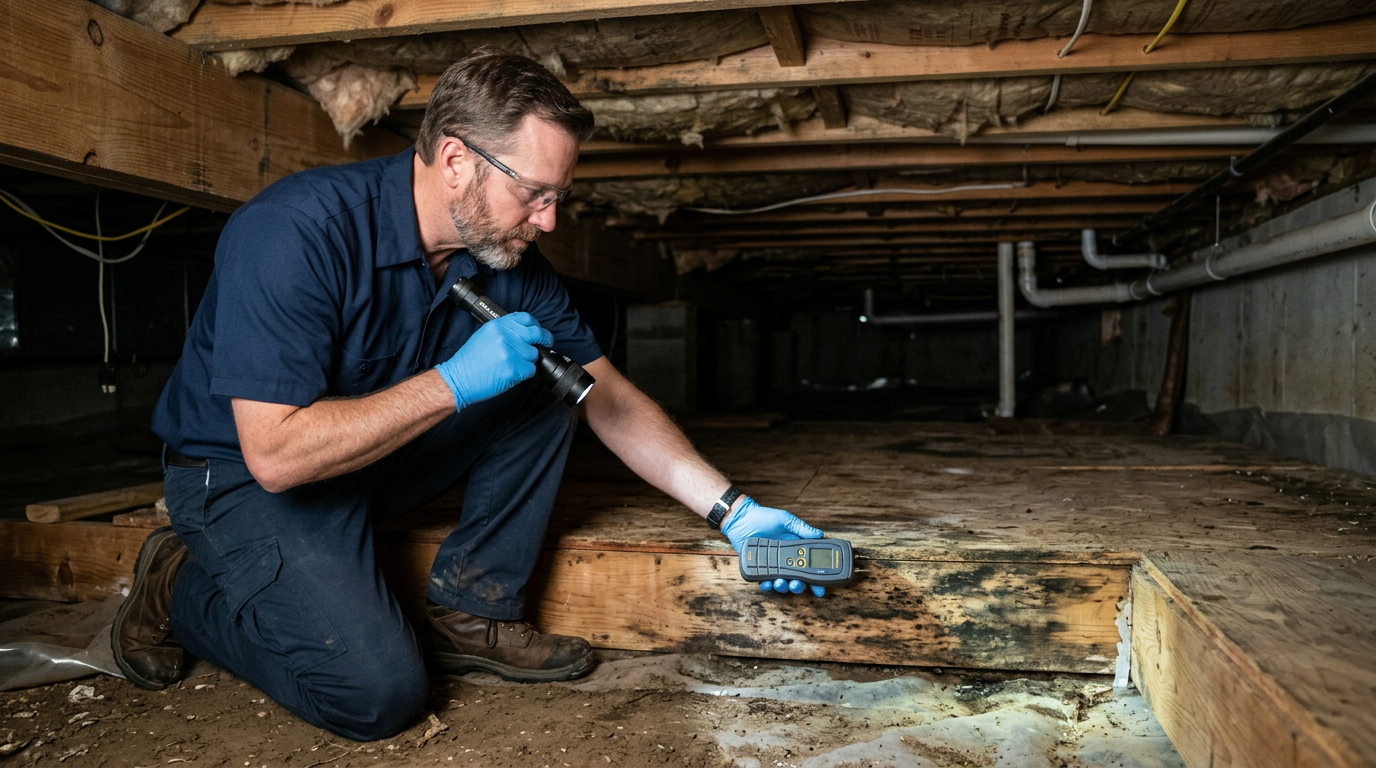
When a home inspector identifies suspected mold or conditions highly conducive to mold growth, it’s a critical finding that necessitates prompt attention. Effective mold removal, or remediation, is not merely about cleaning visible growth; it fundamentally involves identifying and rectifying the underlying moisture source. For homeowners, prospective buyers, and sellers, understanding the inspection process, the implications of mold findings, and the subsequent steps for professional mold removal is paramount for maintaining property value, structural integrity, and occupant health.
A home inspection aims to provide a snapshot of the property’s condition, highlighting significant defects and safety concerns. When it comes to mold, an inspector’s role is to observe and report visible suspected mold and, more importantly, to identify the moisture intrusion points that enable its growth. This guide will walk you through the practical aspects of mold identification during an inspection, the technical considerations, common red flags, and the necessary steps for effective mold removal and long-term prevention.
Understanding Mold in Residential Properties
What is Mold and Why Does it Matter?
Mold is a type of fungus that thrives in damp, humid environments. It reproduces by releasing spores, which are microscopic and can travel through the air. Common types found in homes include Cladosporium, Penicillium, Alternaria, and Aspergillus. While often associated with ‘black mold’ (Stachybotrys chartarum), which has a reputation for being highly toxic, all types of mold can potentially trigger allergic reactions, respiratory issues, and other health problems in sensitive individuals. Beyond health concerns, mold growth indicates ongoing moisture problems that can lead to significant structural damage, compromising wood, drywall, insulation, and other building materials over time.
The Inspector’s Role: Observation vs. Diagnosis
It’s crucial to understand that a home inspector is a generalist who observes and reports on the visible condition of the home’s systems and components. Regarding mold, an inspector will:
- Identify visible suspected mold: This means observing discoloration, fuzzy growth, or other signs consistent with mold.
- Identify conditions conducive to mold growth: This includes water stains, high moisture readings (using a moisture meter), active leaks, inadequate ventilation, and areas with chronic dampness.
- Recommend further evaluation: If suspected mold is found, or if conditions strongly suggest hidden mold, the inspector will recommend consultation with a qualified mold remediation specialist or an industrial hygienist for testing and definitive diagnosis.
A home inspector does not perform mold testing, air sampling, or provide a diagnosis of mold type or toxicity. These services fall outside the scope of a standard home inspection and require specialized training and equipment.
Where Home Inspectors Look for Mold and Moisture Intrusion
A thorough home inspection meticulously examines areas prone to moisture accumulation:
- Basements and Crawlspaces: These subterranean areas are prime candidates for moisture issues. Inspectors look for signs of water penetration through foundation walls, efflorescence (white, powdery mineral deposits left by evaporating water), musty odors, and visible mold on joists, subflooring, and insulation. Poor grading and drainage around the exterior foundation can direct water towards the house, leading to basement leaks. In crawlspaces, inadequate ventilation and exposed earth can lead to high humidity and mold.
- Attics: Roof leaks, especially around roof flashing, chimneys, and skylights, are common culprits. Inspectors also check for inadequate attic ventilation (e.g., blocked soffit or ridge vents) and insufficient or improperly installed attic insulation, which can lead to condensation and subsequent mold growth on roof sheathing and framing.
- Bathrooms and Kitchens: These rooms are high-humidity zones. Inspectors examine plumbing fixtures for leaks (under sinks, around toilets, showers, and tubs), check for proper operation of exhaust fans, and assess the integrity of grout and caulk, which can fail and allow water penetration into walls and subflooring.
- Walls and Ceilings: Water stains, peeling paint, bulging drywall, or soft spots are strong indicators of active or past leaks from plumbing, the roof, or exterior walls.
- HVAC Systems: The condensate pan and drain line of air conditioning units can become clogged, leading to overflow and mold growth within the unit or surrounding ductwork. Inspectors check for proper drainage and cleanliness.
- Exterior: The exterior inspection focuses on preventing moisture intrusion. This includes evaluating the condition of the roof, gutters, downspouts, siding, windows, and doors for proper sealing and drainage. Poor grading and drainage that directs water towards the foundation is a significant red flag.
Identifying Red Flags and Technical Considerations
During an inspection, several indicators prompt further investigation for mold:
- Visible Mold Growth: Any visible discoloration, fuzzy patches, or slimy textures on surfaces, particularly in damp areas, is a direct sign of mold. Colors can range from black, green, and brown to white or orange.
- Musty Odors: A persistent, earthy, or musty smell, even without visible mold, is a strong indicator of hidden mold growth or chronic moisture issues within walls, under flooring, or in inaccessible areas.
- Water Stains and Damage: Discolored areas on ceilings, walls, or floors, especially those with a ‘tide line’ appearance, signify past or ongoing water intrusion. Peeling paint, warped wood, or crumbling drywall in these areas further confirms moisture damage.
- High Moisture Readings: Professional home inspectors use moisture meters to detect elevated moisture levels in building materials that may not be visibly wet. Readings significantly above ambient levels indicate a current or past moisture problem, even if the surface appears dry.
- Efflorescence: While not mold itself, efflorescence on concrete or masonry walls (a white, powdery residue) is a clear sign that water is migrating through the material and evaporating, leaving mineral salts behind. This indicates a moisture intrusion problem that could lead to mold.
- Inadequate Ventilation: Poor ventilation in bathrooms, kitchens, attics, and crawlspaces allows humidity to build up, creating an ideal environment for mold.
Common Homeowner Mistakes That Obstruct Mold Detection
Homeowners, particularly sellers, sometimes inadvertently or intentionally hinder a thorough inspection for mold and moisture issues:
- Blocked Access: Storing boxes, furniture, or personal belongings against basement walls, in crawlspaces, or in front of attic access points prevents the inspector from examining these critical areas for moisture and mold. Similarly, covering plumbing access panels or electrical service panels can limit a full assessment.
- Poor Ventilation Practices: Not running exhaust fans in bathrooms and kitchens, or keeping windows closed in humid environments, can exacerbate moisture issues.
- Ignoring Minor Leaks: Procrastinating on small plumbing leaks (e.g., a dripping faucet, a slow toilet leak) or minor roof issues allows moisture to accumulate and mold to develop over time.
- Painting Over Mold: Attempting to conceal mold by painting over it is a temporary fix that does not address the underlying moisture problem. The mold will eventually reappear, and the moisture source will continue to cause damage.
- Turning Off Utilities: Turning off the water supply before an inspection prevents the inspector from testing plumbing fixtures, showers, and toilets for leaks, which are common sources of moisture intrusion.
Repair Implications, Cost vs. Benefit, and Negotiation
Discovering mold during a home inspection has significant implications:
- Addressing the Source is Paramount: Any mold removal effort is futile if the source of moisture is not identified and permanently corrected. This is the first and most critical step in any remediation plan.
- Professional Remediation: For areas larger than approximately 10 square feet, or if individuals with health sensitivities are present, professional mold remediation is strongly recommended. DIY attempts often fail to fully contain spores or adequately address the underlying problem, potentially spreading mold to other areas.
- Cost Considerations: The cost of mold removal varies widely based on the extent of the growth, the location (e.g., attic, crawlspace, behind walls), and the accessibility of the affected area. Remediation can range from a few hundred dollars for small, easily accessible areas to several thousands for extensive, hidden mold requiring demolition and reconstruction.
- Property Value and Health: Unaddressed mold can significantly decrease property value, deter potential buyers, and pose serious health risks. Proactive mold removal and moisture control are investments in both the home’s structural integrity and its occupants’ well-being.
- Negotiation: In a real estate transaction, visible mold or strong evidence of moisture intrusion will almost certainly lead to requests for professional remediation, repair credits, or price concessions. For sellers, addressing accessible problems before the inspection can improve the property’s presentation and reduce avoidable repair requests. For buyers, these findings provide crucial information for informed negotiation.
Actionable Checklist for Homeowners
Use this checklist to prepare for an inspection and address potential mold and moisture concerns:
- Pre-Inspection Preparation:
- Clear all access points to the attic, crawlspace, and basement.
- Ensure all plumbing access panels are unobstructed.
- Verify all utilities (water, electricity, gas) are on and accessible.
- Run bathroom and kitchen exhaust fans regularly to reduce humidity.
- Check for and repair any obvious plumbing leaks (e.g., dripping faucets, leaky toilets).
- Ensure gutters and downspouts are clear and direct water away from the foundation.
- Address any visible water stains or peeling paint, investigating the source before patching.
- During the Inspection:
- Be present if possible to ask questions and understand findings directly from the inspector.
- Pay close attention to areas where the inspector uses a moisture meter.
- Note any recommendations for further evaluation by specialists.
- Post-Inspection Action:
- Review the inspection report carefully, focusing on mold and moisture findings.
- Prioritize addressing the identified moisture source before any mold removal.
- Obtain quotes from qualified mold remediation specialists for significant mold issues.
- Consult with relevant trades (plumber, roofer, HVAC technician) to fix moisture sources.
- Implement long-term moisture control strategies (e.g., dehumidifiers, improved ventilation).
When to Call a Specialist for Mold and Moisture Issues
While a home inspector identifies potential issues, specific problems require specialized expertise:
- Mold Remediation Specialist: If visible mold covers an area larger than 10 square feet, or if there are health concerns, a certified mold remediation specialist should be contacted. They have the training, equipment, and protocols to safely contain, remove, and dispose of mold-contaminated materials. The EPA provides guidance on mold cleanup in various settings.
- Industrial Hygienist: For complex cases, particularly those involving health symptoms or concerns about hidden mold, an industrial hygienist can perform air quality testing, surface sampling, and develop a remediation plan. They often provide post-remediation verification.
- Plumber: For active plumbing leaks from pipes, fixtures, water heaters, or drains.
- Roofer: For roof leaks, damaged shingles, compromised flashing, or issues with gutters and downspouts.
- HVAC Technician: For issues with HVAC condensate drains, mold within ductwork, or problems with humidity control systems.
- Foundation Specialist/Waterproofing Contractor: For persistent basement or crawlspace moisture issues, foundation cracks, or inadequate exterior drainage.
Official Resources for Mold and Moisture Guidance
For additional authoritative information on mold and indoor air quality, consider these resources:
- The U.S. Environmental Protection Agency (EPA) offers extensive guidance on mold cleanup and prevention for homeowners. You can find valuable information on their Mold website.
- The International Association of Certified Home Inspectors (InterNACHI) provides detailed articles and standards related to moisture intrusion and mold for home inspectors and homeowners alike.
Frequently Asked Questions About Mold and Home Inspections
Q: Will a home inspector test for mold?
A: No, a standard home inspection does not include mold testing. An inspector will identify visible suspected mold and conditions conducive to mold growth, then recommend a qualified specialist for testing and remediation.
Q: What size mold growth requires professional removal?
A: The EPA generally recommends professional mold remediation for areas larger than 10 square feet (roughly 3 feet by 3 feet). For smaller areas, homeowners can often clean it themselves, provided they address the moisture source and take appropriate safety precautions.
Q: Can I remove mold myself?
A: For small areas (less than 10 sq ft) on non-porous surfaces, you can often clean it yourself using appropriate personal protective equipment (gloves, N95 respirator, eye protection) and a detergent solution. However, for larger areas, porous materials (like drywall or insulation), or if you suspect hidden mold, professional mold removal is recommended to ensure proper containment and complete eradication.
Q: Does homeowner’s insurance cover mold removal?
A: Homeowner’s insurance coverage for mold removal varies significantly by policy and the cause of the mold. Generally, if the mold is a result of a sudden and accidental covered peril (e.g., a burst pipe), it may be covered. However, mold resulting from long-term neglect, maintenance issues, or floods is often excluded. Review your specific policy or consult your insurance provider.
Q: How can I prevent mold in my home?
A: The key to mold prevention is moisture control. This includes fixing leaks promptly, ensuring proper ventilation in bathrooms and kitchens, maintaining relative humidity levels below 60% (ideally 30-50%), ensuring good exterior grading and drainage, and regularly cleaning and maintaining HVAC systems.
Related Home Inspection Guide: Complete Guide to how to clean houseAdd tag
Official Reference: For additional context, consult ASHI inspection standards and guidance.