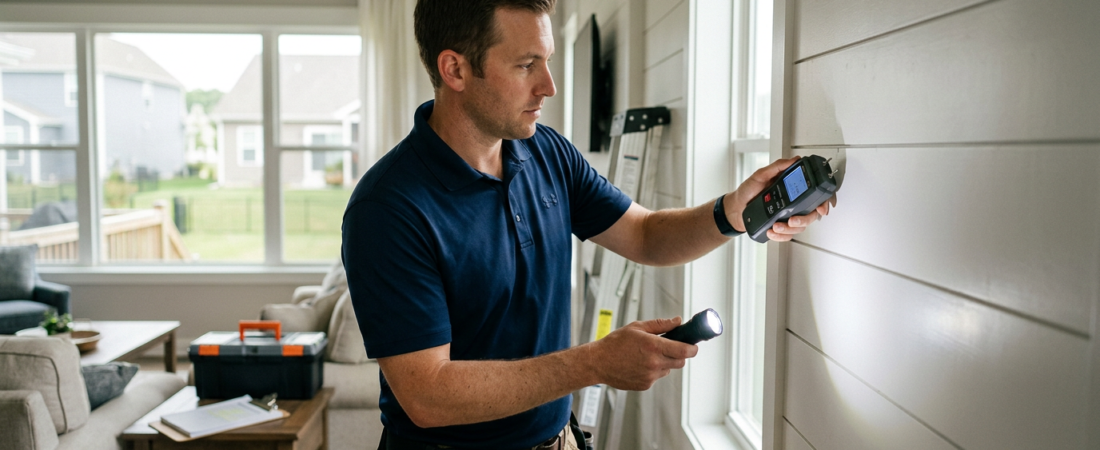
Shiplap, a distinctive type of wooden board characterized by a rabbet (groove) cut into two opposite edges, allowing the boards to overlap and create a tight, interlocking joint, has surged in popularity in American homes. Originally used for exterior siding on barns and sheds due to its weather-resistant properties, it’s now a common interior design element, adding texture and rustic charm to walls, ceilings, and even cabinetry. While aesthetically pleasing, shiplap, like any other building material, requires careful inspection to ensure its proper condition and installation. For homeowners, buyers, sellers, and real estate professionals, understanding what a home inspector looks for in shiplap is crucial for identifying potential issues and ensuring the long-term integrity of the installation.
Understanding Shiplap in Home Construction
True shiplap features a specific rabbeted edge that creates a small, tight gap between boards when installed. This differs from tongue-and-groove, which interlocks more completely, or simple butt-jointed planks. Modern decorative shiplap often mimics this look using various materials like MDF or plywood, installed with a consistent gap. Its applications range from accent walls in living rooms and bedrooms to full wall coverings in bathrooms and kitchens, and even exterior siding on some homes. The way it’s installed and the environment it’s in significantly impact its performance and longevity.
Shiplap Inspection Considerations
A thorough home inspection of shiplap involves a multi-faceted approach, focusing on both its aesthetic condition and its underlying integrity. Here’s what an inspector typically considers:
- Visual Assessment: The primary step involves a close visual examination for obvious flaws. This includes checking for consistent gaps, proper alignment of boards, the condition of the finish (paint, stain, sealant), and the presence of any visible fasteners (nails, screws) that are improperly set or rusting.
- Moisture Intrusion: This is often the most critical concern, especially in areas prone to humidity or water exposure like bathrooms, kitchens, or basements. Inspectors look for signs of water stains, discoloration, swelling, warping, or the presence of mold or mildew. A moisture meter may be used to detect elevated moisture levels behind or within the boards, indicating a potential leak or condensation problem.
- Structural Integrity and Attachment: While interior shiplap is rarely load-bearing, its secure attachment to the wall framing is important. Inspectors check for loose boards, bowing, or excessive movement, which could indicate improper fastening or underlying structural issues with the wall itself. For exterior shiplap, the condition of the underlying sheathing and weather barrier is also a key consideration.
- Pest Activity: As a wood product, shiplap can be susceptible to wood-boring insects like termites or carpenter ants. Inspectors look for small holes, sawdust-like frass, or damaged wood that could indicate an active or past infestation.
- Damage and Wear: General wear and tear, such as scratches, dents, chips, or cracks, are noted. These might be cosmetic but can also be entry points for moisture or pests if left unaddressed.
- Ventilation: If shiplap is used in areas like a poorly ventilated bathroom, it can exacerbate moisture problems. The inspector will consider the overall ventilation of the space.
Home Inspector’s Shiplap Evaluation Checklist
When evaluating shiplap, a home inspector follows a systematic procedure:
- Identify Location and Type: Note where shiplap is present (interior/exterior, specific rooms) and its apparent material (solid wood, MDF, etc.).
- General Visual Scan: Stand back and observe the overall appearance for uniformity, major bowing, or widespread discoloration.
- Close-Up Examination: Inspect individual boards for gaps, alignment, finish quality, and fastener issues.
- Moisture Testing: Use a moisture meter on suspicious areas (stains, swelling) or in high-humidity environments.
- Tap Test: Lightly tap on boards to listen for hollow sounds that might indicate delamination or hidden voids.
- Probe Test (if necessary): For suspected rot or pest damage, a small probe might be used to check wood integrity, with client permission.
- Document Findings: Photograph any defects and describe their location, nature, and severity in the inspection report.
Common Defects and What They Indicate
- Gaps and Separation: Small, consistent gaps are normal for true shiplap. However, excessive or inconsistent gaps, especially if widening over time, can indicate wood expansion/contraction due to humidity changes, improper installation, or even minor structural movement.
- Warping or Cupping: Boards that are no longer flat and are bowing or curving are almost always a sign of moisture exposure, either from direct leaks, high humidity, or improper acclimatization of the wood before installation.
- Stains and Discoloration: Dark spots, rings, or streaks often point to water leaks from plumbing, roofing, or condensation. Greenish or blackish stains are indicative of mold or mildew growth.
- Loose or Missing Boards: This suggests inadequate fastening, wood shrinkage, or impact damage. It can also expose the wall cavity to moisture or pests.
- Pest Damage: Small, perfectly round holes (powderpost beetles), tunnels (termites), or larger irregular galleries (carpenter ants) are clear indicators of wood-destroying insect activity.
- Cracks or Splits: These can occur due to rapid drying of the wood, impact, or stress from structural movement.
- Peeling Paint or Finish Failure: While often cosmetic, it can indicate poor surface preparation, moisture issues, or simply an aging finish that needs maintenance.
Maintenance and Repair Considerations
Proper maintenance can significantly extend the life of shiplap and prevent many common issues:
- Control Moisture: Address leaks promptly, ensure adequate ventilation in bathrooms and kitchens, and maintain proper indoor humidity levels.
- Regular Cleaning: Dust and wipe down shiplap regularly to prevent dirt buildup and allow for early detection of issues.
- Inspect Periodically: Conduct your own visual checks for any changes in appearance, especially after heavy rains or changes in seasons.
- Repair Finish: Repaint or reseal as needed to protect the wood from moisture and wear.
- Replace Damaged Boards: For significant warping, rot, or pest damage, individual boards can often be carefully removed and replaced.
When to Call a Specialist
While some minor cosmetic repairs can be DIY, certain issues warrant professional attention:
- Extensive Moisture Damage or Mold: If a large area of shiplap is affected by water damage or mold, a water damage restoration or mold remediation specialist should be consulted to address the source and safely remove contaminants.
- Active Pest Infestation: Evidence of termites, carpenter ants, or other wood-destroying insects requires a licensed pest control professional.
- Suspected Structural Issues: If loose or warped shiplap appears to be related to underlying wall or foundation movement, a structural engineer or qualified contractor should investigate. For more information, see our guide on Structural Issues.
- Large-Scale Replacement: If a significant portion of the shiplap needs replacement, a skilled carpenter or contractor can ensure proper installation and finish.
Estimated Shiplap Repair Costs
| Type of Repair | Estimated Cost Range (USD) | Notes |
|---|---|---|
| Minor cosmetic touch-ups (paint, caulk) | $50 – $200 | DIY friendly, materials cost. |
| Replacing 1-3 damaged boards | $150 – $500 | Includes material and labor for localized repair. |
| Addressing minor moisture source & repair | $300 – $1,000+ | Depends on source (e.g., leaky pipe) and extent of damage. |
| Pest treatment (localized) | $200 – $800 | Initial treatment, may not include wood replacement. |
| Extensive mold remediation (behind shiplap) | $1,000 – $5,000+ | Requires professional assessment and specialized removal. |
| Large-scale shiplap replacement (per wall) | $500 – $2,500+ | Cost varies by material, wall size, and finish. |
Note: These are estimated costs and can vary significantly based on location, material choice, and the complexity of the repair. Always obtain multiple quotes from qualified professionals. For more general information on home repair costs, visit our Repair Costs section.
Frequently Asked Questions About Shiplap Inspection
Q: Is shiplap waterproof?
A: No, traditional shiplap is not waterproof. While its overlapping design offers some resistance to moisture, it is not designed to be submerged or constantly exposed to water. In wet areas like bathrooms, it should be properly sealed and painted with moisture-resistant finishes, and adequate ventilation is crucial.
Q: Can shiplap hide structural problems?
A: Potentially. If shiplap is installed over a damaged wall or framing, it can conceal issues like cracks, water damage, or pest infestations. A thorough inspection by a professional home inspector can help identify these hidden problems.
Q: How do you clean shiplap?
A: For painted shiplap, a soft cloth dampened with mild soap and water is usually sufficient. For stained or natural shiplap, follow the manufacturer’s recommendations for wood cleaning. Always avoid excessive moisture.
Q: What’s the difference between shiplap and tongue-and-groove?
A: Shiplap boards have rabbeted edges that overlap, creating a distinct reveal or gap. Tongue-and-groove boards have a ‘tongue’ on one edge that fits into a ‘groove’ on the adjacent board, creating a tighter, more seamless joint.
Q: Does shiplap add value to a home?
A: As a popular design trend, well-installed and maintained shiplap can enhance a home’s aesthetic appeal and perceived value, particularly in certain architectural styles. However, like any design element, its appeal can be subjective and may not universally increase appraisal value.
Official Reference Standards: Learn more at the InterNACHI.
Official Reference Standards: Learn more at the American Society of Home Inspectors (ASHI).