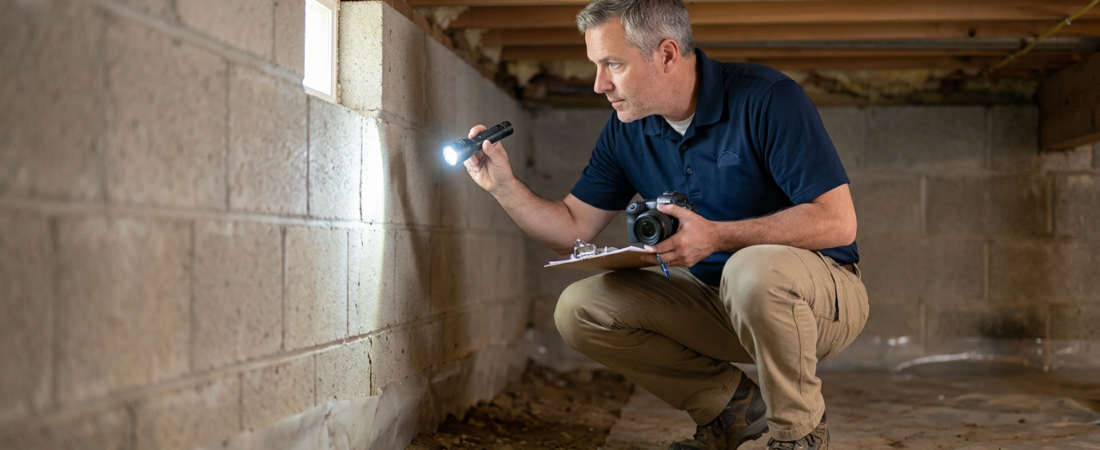
A well-maintained sprinkler system is more than just a convenience; it’s a critical component of your home’s exterior infrastructure, contributing to landscape health, water conservation, and even the structural integrity of your property. From a home inspection perspective, while a comprehensive, in-depth evaluation of every sprinkler head and line is typically beyond the scope of a standard visual inspection, a qualified inspector will assess the system for visible defects, operational issues, and potential implications for the home. Understanding these findings, their practical evaluation, and necessary repair considerations is paramount for homeowners, prospective buyers, and sellers alike.
Understanding Your Home’s Sprinkler System from an Inspector’s Viewpoint
A home inspector approaches the sprinkler system with an eye toward its overall function, visible condition, and its impact on the surrounding property. Key components include:
- The Controller/Timer: The brain of the system, dictating watering schedules. An inspector will note its presence, visible condition, and if it appears operational.
- Main Shutoff Valve: The primary point to cut water to the entire irrigation system. Its accessibility and operability are important.
- Backflow Prevention Device: A critical safety component designed to prevent contaminated irrigation water from flowing back into the potable (drinking) water supply. Common types include Pressure Vacuum Breakers (PVBs) and Atmospheric Vacuum Breakers (AVBs). Its presence, visible condition, and proper installation height are observed.
- Zone Valves: These open and close to direct water to specific areas (zones) of the landscape. They are often buried in valve boxes.
- Water Lines: Buried pipes that transport water to sprinkler heads. Visible leaks or signs of damage are noted.
- Sprinkler Heads: The devices that distribute water. These can be rotor heads (rotating stream), spray heads (fixed pattern), or drip emitters (slow, targeted release). Inspectors look for damage, clogs, and proper alignment.
The inspector’s primary goal is to identify conditions that could lead to significant water waste, damage to the landscape, or, more critically, moisture intrusion or structural issues to the home itself.
What a Home Inspector Looks For: Visible Observations and Practical Evaluation
During a home inspection, the evaluation of a sprinkler system is primarily visual and functional, assuming the system is operational and accessible. Here’s what an inspector typically assesses:
- System Activation: If the system is active and accessible, the inspector may run each zone briefly to observe its operation. This is crucial for identifying immediate functional issues.
- Visible Leaks: Any standing water, wet spots, or active leaks at the backflow preventer, main shutoff, zone valves (if visible), or sprinkler heads are significant findings. Leaks can lead to water waste, landscape damage, and soil erosion, potentially impacting the home’s foundation.
- Sprinkler Head Condition: The inspector will look for broken, cracked, clogged, or missing heads. Heads that are sunken too deep or elevated too high can lead to poor coverage or damage.
- Coverage and Overspray: Poor coverage results in dry spots, while overspray onto the house, sidewalks, driveways, or fences indicates wasted water and can cause staining, premature deterioration of building materials, or even moisture intrusion into the foundation or crawlspace. The inspector will note if the system is spraying directly onto the foundation, which is a significant red flag.
- Backflow Prevention Device: The inspector verifies the presence and visible condition of the backflow preventer. Signs of leaks, corrosion, or improper installation (e.g., too low to the ground for a PVB) are noted. While inspectors do not test these devices, their visible condition is important.
- Controller/Timer: The visible condition of the controller, often located in the garage or outdoors, is checked. Basic functionality (e.g., turning on a zone) may be attempted if safe and accessible.
- Grading and Drainage Interaction: The inspector observes how the sprinkler system’s operation interacts with the property’s grading and drainage. Improper watering can exacerbate poor drainage, leading to water pooling near the foundation.
It’s important to remember that a home inspection is a general visual assessment. Detailed diagnostic testing of water pressure, flow rates, or internal valve components is typically outside the scope. For such in-depth analysis, a specialized irrigation contractor is required.
Technical Considerations and Red Flags
Beyond surface-level observations, certain technical considerations and red flags warrant immediate attention:
- Backflow Prevention Device Issues: A missing, improperly installed, or visibly leaking backflow prevention device is a serious health and safety concern. It means contaminated water from the irrigation system could potentially enter the home’s potable water supply. This requires immediate attention from a licensed plumber or irrigation specialist.
- Significant Water Pressure Problems: If zones exhibit extremely weak spray or, conversely, geysers, it can indicate a major line break, a faulty zone valve, or issues with the main water supply pressure. This leads to inefficient watering and potential damage.
- Persistent Uneven Coverage: Large dry patches alongside areas of standing water suggest significant design flaws, clogged heads, or incorrect head types for the area. This wastes water and can stress the landscape.
- Water Spraying Directly onto the Foundation: This is a critical red flag. Consistent moisture against the foundation can lead to efflorescence, cracking, and even structural damage over time. It can also contribute to moisture intrusion into basements or crawlspaces, potentially leading to mold growth or wood rot.
- Non-Functional Zones: If entire zones fail to activate, it could point to electrical issues with the controller, a faulty solenoid on the zone valve, or a broken main line.
- Visible Damage to Lines or Heads: Damage from lawnmowers, foot traffic, or tree roots can cause leaks and reduce system efficiency.
- Controller Malfunctions: A controller that doesn’t hold its programming, has a blank display, or fails to activate zones reliably indicates a need for repair or replacement.
Common Homeowner Mistakes Obstructing Inspection
To ensure a thorough assessment of the sprinkler system during a home inspection, homeowners should avoid these common mistakes:
- System Not Operational: If the water supply to the system is off, or the controller is unplugged/malfunctioning, the inspector cannot test its function. Ensure the system is ready to be run.
- Blocked Access: Overgrown landscaping, stored items, or debris blocking access to the controller, main shutoff valve, or valve boxes prevents proper visual inspection and testing.
- Lack of Knowledge: Not knowing how to operate the system or where key components are located can hinder the inspection process.
- Winterized System: In colder climates, sprinkler systems are often winterized (drained and shut down) to prevent freezing. If an inspection occurs during the winter months, the system cannot be tested without de-winterizing, which is typically not part of a standard home inspection and can risk damage if done improperly.
- Neglecting Basic Maintenance: A system riddled with obvious broken heads or leaks suggests a lack of general maintenance, which will be noted by the inspector.
Repair Cost vs. Benefit & Negotiation
Addressing visible sprinkler system issues before a home inspection can significantly benefit sellers. Minor repairs, such as replacing a few broken heads or adjusting coverage, are often inexpensive but demonstrate proactive maintenance and attention to detail. This can:
- Improve Property Presentation: A well-functioning system contributes to a lush, healthy landscape, enhancing curb appeal.
- Reduce Buyer Concerns: Buyers are less likely to flag minor issues if they see a well-maintained system, reducing perceived risks.
- Minimize Negotiation Points: Every defect found can become a point of negotiation for repair credits or price reductions. By fixing obvious issues beforehand, sellers can avoid these discussions.
While fixing every potential issue might not be feasible, prioritizing visible leaks, broken heads, and ensuring the backflow preventer is in good visible condition can yield a strong return on investment by streamlining the inspection and negotiation process. Findings should always be evaluated fairly and professionally, and significant issues often warrant specialist evaluation.
Practical Repair Considerations and Specialist Guidance
Sprinkler system repairs range from simple DIY tasks to complex professional interventions:
- DIY Repairs: Homeowners can often handle replacing broken sprinkler heads, clearing minor clogs, or adjusting head alignment. These tasks typically require basic tools and readily available parts.
- When to Call a Licensed Specialist:
- Licensed Irrigation Specialist: For major line breaks, troubleshooting electrical issues with the controller or zone valves, diagnosing water pressure problems, or redesigning zones for better coverage and efficiency. They have specialized tools (e.g., wire locators, pressure gauges) and expertise.
- Licensed Plumber: Crucial for any work involving the backflow prevention device, especially its installation, repair, or annual testing (which is often mandated by local codes). A plumber should also be consulted for issues related to the main water supply line to the irrigation system.
- Landscaper: If the issue is primarily related to poor landscape design, grading, or plant health that the sprinkler system cannot adequately address.
Regular maintenance, including annual winterization (in cold climates), spring startup, and periodic checks for leaks and clogs, can prevent many common issues and extend the life of your system.
Printable Home Inspection Checklist for Sprinkler Systems
Use this checklist to prepare for an inspection or to conduct your own routine assessment:
- Before the Inspection:
- Ensure the main water supply to the sprinkler system is turned ON.
- Verify the sprinkler controller/timer is powered on and accessible.
- Clear any landscaping or stored items blocking access to the controller, main shutoff valve, and visible valve boxes.
- If possible, run each zone briefly to identify any obvious non-functional areas or major leaks.
- Note the location of the main shutoff valve and backflow prevention device.
- During the Inspection (What to Observe):
- Are there any visible leaks at the backflow preventer, valves, or sprinkler heads?
- Are all sprinkler heads intact, not broken or clogged?
- Is the water coverage even, or are there dry spots or excessive overspray onto structures/walkways?
- Is the system spraying directly onto the home’s foundation?
- Does the controller appear functional and free of visible damage?
- Are there any signs of water pooling or poor drainage related to sprinkler operation?
- After the Inspection:
- Review the inspector’s report for any noted deficiencies or recommendations regarding the sprinkler system.
- For any significant findings (e.g., backflow issues, major leaks, non-functional zones), consult a licensed irrigation specialist or plumber for further diagnosis and repair estimates.
- Prioritize repairs that impact water conservation, property integrity (e.g., foundation issues), or health and safety (backflow prevention).
Frequently Asked Questions (FAQs)
- Q: Is a sprinkler system included in a standard home inspection?
- A: While home inspectors typically perform a visual assessment of the sprinkler system, checking for obvious defects and operational issues if the system is active and accessible, a detailed diagnostic test of every component is usually outside the scope of a standard home inspection. For a comprehensive evaluation, a specialized irrigation contractor should be consulted.
- Q: How often should I have my backflow preventer tested?
- A: Many municipalities require annual testing of backflow prevention devices by a certified professional to ensure they are functioning correctly and protecting the potable water supply. Check with your local water authority for specific requirements in your area.
- Q: Can a faulty sprinkler system damage my home’s foundation?
- A: Yes, absolutely. Sprinkler heads that consistently spray water directly onto the foundation, or systems that create excessive pooling near the foundation due to poor coverage or drainage, can lead to significant moisture intrusion, soil expansion and contraction, foundation cracks, and other structural problems over time. Proper grading and drainage are crucial.
- Q: What are the signs of a major leak in my sprinkler system?
- A: Signs of a major leak include unusually high water bills, standing water or overly saturated areas in your yard even when the system isn’t running, visible geysers or bubbling from the ground, or a noticeable drop in water pressure across all zones.
- Q: How can I conserve water with my sprinkler system?
- A: To conserve water, regularly check for and repair leaks, adjust sprinkler heads for optimal coverage without overspray, use a smart controller that adjusts watering based on weather, consider drip irrigation for plants and shrubs, and water during cooler parts of the day to reduce evaporation.
Related Home Inspection Guide: Complete Guide to What is a Steam Mop: Implications for Home Inspection and Home Maintenance
Related Home Inspection Guide: Complete Guide to how to clean houseAdd tag
Official Reference: For additional context, consult InterNACHI home inspection guidance.
Official Reference: For additional context, consult ASHI inspection standards and guidance.