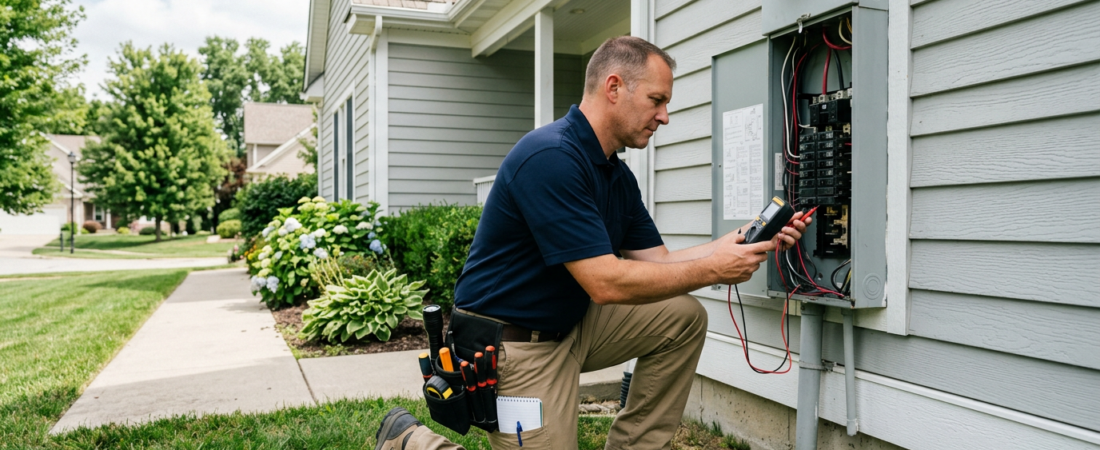
A professional house inspection is a non-invasive, visual examination of a residential property’s readily accessible systems and components. Its primary purpose is to provide an objective evaluation of the home’s current condition at the time of the inspection, identifying significant defects, safety concerns, and areas requiring immediate attention or further specialist evaluation. For prospective buyers, it’s a critical due diligence step, offering clarity on the property’s health before commitment. For sellers, it can proactively address issues, streamlining the sales process. For current homeowners, it serves as a valuable maintenance roadmap, highlighting potential problems before they escalate.
What is a House Inspection? The Inspector’s Role
A certified home inspector acts as a generalist, observing and reporting on the condition of the home’s major systems and components. They operate under a defined Scope of Work, often guided by standards of practice set by professional organizations like the International Association of Certified Home Inspectors (InterNACHI) or the American Society of Home Inspectors (ASHI). It’s crucial to understand that an inspector provides a visual assessment, not a technically exhaustive or destructive examination. They do not move furniture, open walls, or guarantee future performance. Their role is to identify visible deficiencies and potential issues, not to diagnose the root cause of every problem or to determine if a property complies with all local building codes, which can change over time.
Key Systems and Components Inspected
A thorough house inspection systematically evaluates the property from the roof to the foundation. Here’s a breakdown of what an inspector typically examines:
Structural Integrity: Foundation, Framing, and Roof Structure
The structural components are the backbone of any home. Inspectors look for signs of movement, settlement, or damage. This includes examining the foundation for cracks (especially horizontal or stair-step cracks), bowing walls, or water penetration in basements or crawlspaces. Visible framing elements in attics and unfinished basements are checked for alterations, damage from pests, or signs of stress. The roof structure, including rafters and trusses, is assessed for proper installation, sagging, or evidence of leaks.
Exterior: Roofing, Siding, Windows, Doors, and Grading
The exterior protects the home from the elements. The inspector evaluates the roofing material (shingles, tile, metal) for wear, missing components, proper installation, and signs of past or present leaks. Roof flashing around chimneys, vents, and valleys is critical for preventing moisture intrusion. Siding materials are checked for damage, proper installation, and signs of deterioration. Windows and doors are examined for operational issues, seal failures, and evidence of water penetration. Crucially, the grading and drainage around the foundation are assessed to ensure water flows away from the house, preventing foundation issues and basement flooding.
Interior: Walls, Ceilings, Floors, and Fireplaces
Inside the home, inspectors look for visible signs of water damage, cracks in walls or ceilings that might indicate structural issues, or uneven floors. Fireplaces and chimneys are inspected for proper construction, venting, and safety hazards, including the condition of the firebox, damper, and flue.
Plumbing System: Supply, Waste, Water Heater, and Fixtures
The plumbing system is vital for health and sanitation. Inspectors test water flow and drainage at fixtures, look for leaks under sinks, and check for proper venting. The water heater is examined for age, leaks, proper installation, and safety features like the temperature and pressure relief (TPR) valve. Visible supply lines (e.g., copper, PEX, galvanized steel) and waste lines (e.g., PVC, cast iron) are evaluated for condition and leaks. They also locate main plumbing shutoffs.
Electrical System: Service Panel, Wiring, Outlets, and Fixtures
Electrical safety is paramount. The electrical service panel (breaker box) is opened (if safe to do so) to inspect wiring, circuit breakers, and proper grounding. Inspectors check a representative number of outlets for proper wiring and test GFCI (Ground Fault Circuit Interrupter) receptacles in bathrooms, kitchens, garages, and outdoors for functionality. Visible wiring, light fixtures, and switches are also assessed for defects or hazards.
HVAC System: Heating, Ventilation, and Air Conditioning
The HVAC system ensures comfort. Inspectors operate the heating and cooling systems (weather permitting) to check for basic functionality, observe temperature differentials, and assess the condition of components like the furnace, air conditioner, ductwork, and thermostat. They note the age of units and look for signs of deferred maintenance or potential issues.
Attic, Insulation, and Ventilation
Accessible attics are inspected for proper insulation levels, adequate ventilation (to prevent moisture buildup and ice dams), and signs of roof leaks or pest intrusion. The type and condition of attic insulation are noted, as this impacts energy efficiency.
Crawlspace and Basement
These areas are critical for structural integrity and moisture management. Inspectors look for moisture intrusion, standing water, signs of past flooding, pest activity, structural issues, and proper ventilation. The presence of a vapor barrier in a crawlspace is also noted.
Common Defects, Red Flags, and Their Implications
During an inspection, certain findings consistently raise concerns:
- Moisture Intrusion: Stains on ceilings, efflorescence on basement walls, or active leaks are major red flags. Using moisture meters, inspectors can detect elevated moisture levels in walls or floors, indicating potential hidden damage, mold growth, or structural compromise.
- Electrical Hazards: Frayed wiring, ungrounded outlets, double-tapped breakers in the electrical service panel, or missing GFCI protection are serious safety concerns that require immediate attention from a licensed electrician.
- Roofing Issues: Missing or damaged shingles, deteriorated roof flashing, or significant granule loss on asphalt shingles can lead to leaks and costly interior damage.
- Foundation Cracks: While hairline cracks are often cosmetic, wider cracks (over 1/4 inch), horizontal cracks, or stair-step cracks in brickwork can indicate structural movement requiring evaluation by a structural engineer.
- HVAC Malfunctions: A non-operational system, unusual noises, or significant rust on components can signal expensive repairs or replacement.
- Plumbing Leaks: Even small drips can lead to significant water damage, mold, and rot over time. Evidence of past leaks, even if repaired, warrants close scrutiny.
- Inadequate Grading and Drainage: Water pooling near the foundation is a primary cause of basement leaks and foundation issues.
- Radon Gas: While not visually detectable, elevated levels of radon gas, a naturally occurring radioactive gas, can pose a significant health risk. The EPA recommends testing for radon, especially in basements and ground-level rooms.
When to Call a Specialist
A home inspector identifies potential issues but does not provide repair estimates or engineering opinions. When a significant defect is noted, the inspector will recommend further evaluation by a qualified specialist. This might include:
- Licensed Electrician: For any significant electrical system concerns, especially those related to the service panel, wiring, or safety devices.
- Licensed Plumber: For persistent leaks, issues with water pressure, sewer line concerns, or water heater malfunctions.
- HVAC Technician: For non-functional heating/cooling systems, refrigerant leaks, or concerns about system efficiency or safety.
- Roofer: For extensive roof damage, persistent leaks, or questions about the remaining lifespan of the roofing material.
- Structural Engineer: For significant foundation cracks, bowing walls, or concerns about the structural integrity of the home.
- Radon Professional: For certified radon testing and mitigation system installation if elevated levels are detected.
- Pest Control Professional: For evidence of termites, carpenter ants, or other wood-destroying organisms.
Common Homeowner Mistakes That Hinder Inspections
For sellers, preparing your home for inspection can significantly impact the process and outcome. Avoiding these common mistakes ensures a smooth, comprehensive inspection:
- Locked Access Points: Ensure all mechanical rooms, electrical service panels, attic hatches, and crawlspace access points are unlocked and easily accessible.
- Blocked Access: Do not store boxes, furniture, or personal items directly against basement walls, baseboards, or in front of electrical panels, furnaces, or water heaters. Inspectors need clear access to these components.
- Pets Left Loose: Secure pets in crates or remove them from the property during the inspection. This ensures the inspector’s safety and prevents distractions or delays.
- Utilities Turned Off: All utilities (water, electricity, gas) must be on and operational for the inspector to test systems like plumbing, electrical, and HVAC. If utilities are off, these systems cannot be evaluated, leading to re-inspection fees or conditional offers.
- Cluttered Areas: Clear out areas like under sinks, around water heaters, and in laundry rooms to allow for thorough examination.
- Unmaintained Systems: Ensure pilot lights are lit for gas appliances and that filters for HVAC systems are clean.
Repair Cost vs. Benefit & Negotiation: Strategic Considerations
Addressing accessible problems before an inspection can significantly improve the property’s presentation and potentially reduce the number of repair requests from a buyer. For sellers, proactively fixing minor issues like leaky faucets, loose handrails, or non-functional GFCI receptacles demonstrates good faith and can prevent these items from becoming negotiation points. While you shouldn’t expect to fix every minor item, addressing obvious safety hazards or deferred maintenance can lead to a smoother transaction.
For buyers, the inspection report provides leverage for negotiation. It’s important to differentiate between major defects (e.g., structural issues, active leaks, electrical hazards) and minor maintenance items. Focus negotiations on significant, unexpected repairs that impact safety, structural integrity, or the major systems of the home. A fair and professional evaluation of findings, rather than an attempt to nitpick, typically leads to the most productive outcomes.
Actionable House Inspection Checklist
Whether you’re preparing for an inspection or conducting your own preliminary review, this checklist provides actionable steps:
- Exterior Review:
- Walk around the house: Check grading, look for standing water, ensure downspouts extend away from the foundation.
- Examine the roof from the ground: Look for missing shingles, damaged flashing, or sagging.
- Inspect siding: Note any cracks, rot, or loose panels.
- Test exterior outlets: Ensure GFCI outlets trip correctly.
- Interior Walkthrough:
- Check ceilings and walls: Look for water stains, cracks, or signs of mold.
- Test all accessible outlets: Ensure they are functional and grounded (if applicable).
- Operate all windows and doors: Check for ease of operation and secure locks.
- Run water at all sinks and showers: Check for leaks, drainage, and water pressure.
- Flush all toilets: Ensure proper function.
- Mechanical Systems:
- Locate and ensure clear access to the electrical service panel.
- Locate and ensure clear access to the water heater and main water shutoff.
- Locate and ensure clear access to the furnace/air handler and outdoor AC unit.
- Check HVAC filters for cleanliness.
- Attic & Crawlspace (if safely accessible):
- Look for signs of leaks, pest activity, or inadequate insulation.
- Ensure proper ventilation.
- Preparation for Professional Inspection:
- Unlock all access points (attic, crawlspace, electrical panel, gates).
- Clear pathways to all mechanical systems and walls.
- Ensure all utilities are turned on.
- Secure pets or remove them from the property.
- Remove any personal items that might obstruct the inspector’s view or access.
Frequently Asked Questions (FAQ)
Q1: How long does a typical house inspection take?
A typical house inspection for an average-sized home (1,500-2,500 sq ft) usually takes between 2 to 4 hours. Larger homes, older properties, or those with complex systems (e.g., multiple HVAC units, extensive crawlspaces) may take longer.
Q2: Should I be present during the inspection?
While not mandatory, it is highly recommended that you attend, especially during the latter part of the inspection. This allows the inspector to walk you through their findings, point out specific issues, and answer any questions you may have in real-time. This visual explanation can be far more informative than reading a report alone.
Q3: What does a home inspection NOT cover?
A standard home inspection typically does not cover cosmetic issues, underground utilities, septic systems (unless specifically added), wells (unless specifically added), swimming pools/spas (unless added), detached structures (unless added), environmental hazards (like asbestos, lead paint, mold beyond visible surface growth), or code compliance. It’s also not a guarantee or warranty for the home’s future condition.
Q4: What’s the difference between a home inspection and an appraisal?
A home inspection assesses the physical condition of the home’s systems and components, identifying defects and safety concerns. An appraisal, on the other hand, determines the market value of the property for lending purposes. While an appraiser notes obvious deficiencies that impact value, their focus is not on the detailed condition of the home’s systems.
Q5: Can a house fail a home inspection?
No, a house cannot ‘fail’ a home inspection. The inspection is an informational report, not a pass/fail grade. It simply details the condition of the property at the time of the inspection. The findings then inform the buyer’s decision-making process and potential negotiations with the seller.
Related Home Inspection Guide: Complete Guide to What is a Steam Mop: Implications for Home Inspection and Home Maintenance
Related Home Inspection Guide: Complete Guide to how to clean houseAdd tag