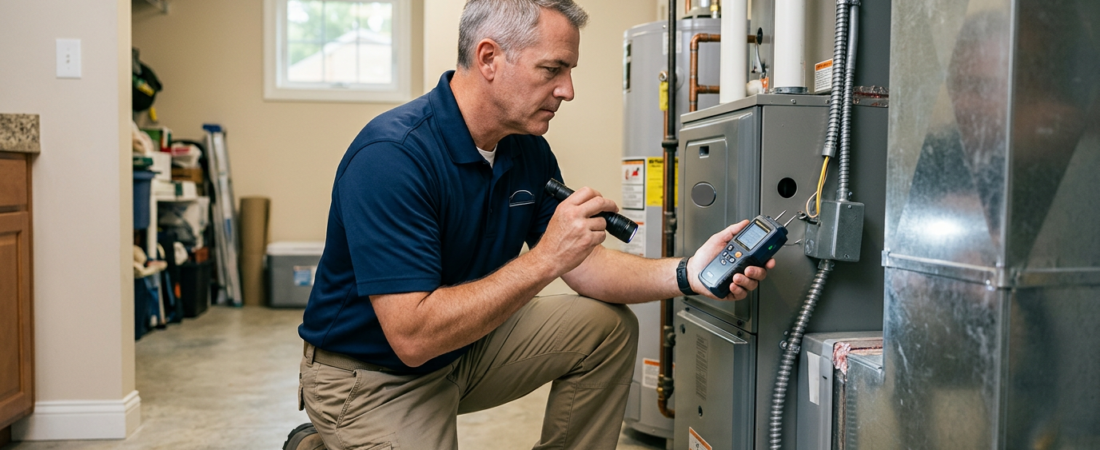
When considering a home inspection, most homeowners and prospective buyers focus on major structural components, HVAC systems, electrical panels, and plumbing. However, even seemingly innocuous household items, like a steam mop or an O’Cedar spinning mop, can indirectly relate to the health and integrity of a home. While a home inspector will not evaluate the functionality of your cleaning appliances, they will meticulously assess the condition of the home’s components that could be affected by their use. Complete Guide to how to clean houseAdd tag
This guide delves into what a steam mop is, why its use matters from a home inspection perspective, and how proper cleaning practices contribute to maintaining a home’s value and preventing costly issues.
What is a Steam Mop? Understanding the Tool and Its Potential Impact
A steam mop is a cleaning device that uses heated water to produce steam, which is then applied to floor surfaces via a microfiber pad or similar attachment. The high temperature of the steam is intended to sanitize and clean without the need for harsh chemical detergents. Brands like O’Cedar offer various models, including spinning mops, which combine steam cleaning with a rotating or spinning head for enhanced scrubbing action.
From a home inspection standpoint, the primary concern with steam mops is their reliance on heat and moisture. While effective for cleaning, the introduction of steam and water vapor into a home environment, especially on certain types of flooring, can have unintended consequences that manifest as inspection findings.
The Home Inspector’s Perspective: Beyond the Cleaning Appliance
A professional home inspector adheres to a Standards of Practice, such as those outlined by the InterNACHI home inspection guidance or ASHI inspection standards. These standards dictate that inspectors examine the readily accessible, visually observable installed systems and components of a home. A steam mop, being a personal appliance, falls outside this scope. However, the *effects* of its use are very much within an inspector’s purview.
What an Inspector Looks For (Indirectly Related to Steam Mops):
-
Flooring Condition: Inspectors meticulously examine all flooring surfaces for signs of damage, wear, and moisture-related issues. This includes hardwood, laminate, engineered wood, tile, and vinyl.
-
Moisture Intrusion: Using specialized tools like moisture meters, inspectors will scan for elevated moisture levels in flooring, subflooring, and adjacent wall materials, particularly in areas prone to cleaning or spills like kitchens, bathrooms, and entryways.
-
Mold and Mildew: Any visible signs of mold or mildew growth on surfaces, especially near baseboards or in corners, will be noted. Excessive moisture from cleaning can contribute to these conditions.
-
Electrical Safety: While not inspecting the mop itself, the inspector will check the electrical receptacles (outlets) that such appliances would plug into. This includes testing GFCI receptacles/outlets in wet areas like kitchens and bathrooms to ensure they trip correctly, providing essential shock protection.
-
Subfloor Integrity: Severe or prolonged moisture exposure can compromise the structural integrity of the subfloor, leading to soft spots, sagging, or delamination, which an inspector will identify.
Technical Considerations: Moisture, Materials, and Red Flags
The core technical consideration related to steam mops is moisture management. Different flooring materials react differently to heat and moisture:
Hardwood Flooring
Solid hardwood floors, especially older, unsealed, or poorly sealed ones, are highly susceptible to moisture damage. Steam can penetrate the finish and cause:
- Cupping or Crowning: Boards can warp, either curving upwards at the edges (cupping) or in the center (crowning).
- Gapping: Boards can shrink and pull apart, creating visible gaps.
- Delamination: For engineered hardwood, excessive moisture can cause the layers to separate.
- Discoloration: Water stains or dark spots can appear.
An inspector will note these conditions, often using a moisture meter to confirm elevated moisture content, which could indicate ongoing issues or past damage.
Laminate and Engineered Wood Flooring
These floors have a core layer (often HDF or MDF) that is very vulnerable to moisture. Steam can cause:
- Swelling and Bubbling: The core material absorbs moisture, causing the surface layer to lift or swell, particularly at seams.
- Separation: Planks can separate or buckle.
- Permanent Damage: Once the core is compromised, it’s often irreversible.
Tile and Grout
While ceramic or porcelain tiles themselves are generally impervious to steam, the grout lines are porous. Excessive steam can:
- Degrade Grout: Over time, steam can weaken or erode grout, leading to cracks or crumbling.
- Moisture Penetration: If grout is compromised or unsealed, moisture can seep into the subfloor, leading to hidden damage or mold growth.
Vinyl Flooring
Modern vinyl (LVT/LVP) is generally water-resistant, but older sheet vinyl or poorly installed planks can be affected. Steam can:
- Loosen Adhesives: Heat can soften glues, causing planks or sheets to lift or buckle.
- Discoloration: Some vinyl types may react to prolonged heat.
Red Flags for Home Inspectors:
- Visible warping, buckling, or swelling of flooring.
- Soft spots or spongy areas when walked upon.
- Visible water staining or discoloration on flooring or baseboards.
- Musty odors, which can indicate hidden mold or moisture.
- Elevated moisture readings with a moisture meter in flooring or adjacent walls.
- Loose or degraded grout in tiled areas.
Common Homeowner Mistakes That Can Obstruct or Limit an Inspection
While not directly about the steam mop, certain homeowner practices related to cleaning and maintenance can inadvertently hinder a thorough inspection:
-
Obstructed Access: Leaving cleaning supplies, buckets, or even the steam mop itself blocking access to critical areas like electrical service panels, crawlspaces, or plumbing shutoffs. Inspectors need clear, safe access to these components.
-
Wet Surfaces: Cleaning floors immediately before an inspection, leaving them wet. This can skew moisture readings or make it difficult for the inspector to safely traverse the area.
-
Covering Damage: While not intentional, placing rugs or furniture over areas of flooring damage (potentially caused by improper cleaning) can prevent the inspector from identifying issues. All areas should be as clear as possible.
-
Inaccessible Areas: Storing excessive items in closets or against basement walls can prevent inspectors from checking for moisture intrusion, foundation issues, or proper ventilation.
Repair Cost vs. Benefit & Negotiation Implications
Addressing potential issues related to moisture damage from cleaning practices before an inspection can significantly benefit sellers. Visible flooring damage, elevated moisture readings, or signs of mold are common findings that can lead to repair requests, credits, or price reductions during negotiation.
-
Flooring Repair/Replacement: Depending on the extent, replacing damaged hardwood or laminate flooring can range from a few hundred dollars for small sections to several thousands for entire rooms. Subfloor repair adds to this cost.
-
Mold Remediation: If moisture leads to mold growth, professional mold remediation can be expensive, often ranging from $500 to $6,000 or more, depending on the affected area and severity.
-
Specialist Consultation: Buyers may request a specialist (e.g., flooring expert, mold remediator) to further evaluate the extent of damage, adding complexity and potential delays to the transaction.
By ensuring proper cleaning methods and promptly addressing any moisture-related issues, homeowners can present a well-maintained property, reducing the likelihood of avoidable repair requests and fostering smoother negotiations.
Repair & Specialist Guidance
If a home inspection reveals moisture damage or other issues potentially linked to cleaning practices, specific professional guidance is crucial:
-
Flooring Specialist: For significant warping, swelling, or delamination of hardwood, laminate, or engineered flooring, a qualified flooring contractor can assess the damage and recommend repair or replacement options.
-
Mold Remediation Professional: If mold growth is identified, especially in areas larger than a few square feet, a certified mold remediation specialist should be consulted. They can safely contain and remove mold and address the underlying moisture source.
-
Plumber: If the moisture source is not clearly from cleaning but rather a leak from a plumbing fixture or pipe, a licensed plumber will be needed to identify and repair the leak.
-
General Contractor: For extensive subfloor damage or structural concerns, a general contractor or structural specialist may be required.
Always seek multiple quotes and ensure any specialist is licensed and insured for the specific work required.
Printable Home Inspection Checklist: Cleaning & Moisture Management
This checklist helps homeowners prepare their property for an inspection, focusing on areas that can be impacted by cleaning practices and moisture management:
-
Before the Inspection:
- Allow all cleaned floors to thoroughly dry. Avoid steam cleaning immediately before the inspection.
- Clear all flooring surfaces of rugs, mats, and furniture where possible, especially if there are known or suspected issues underneath.
- Ensure clear access to all mechanical areas (HVAC, water heater), electrical panels, and plumbing shutoffs. Remove any cleaning supplies or storage that might obstruct these.
- Check for any visible signs of water staining, warping, or swelling on flooring, baseboards, or lower walls.
- Inspect grout lines in tiled areas for cracks or degradation.
- Address any musty odors by airing out the home and identifying potential moisture sources.
-
During the Inspection:
- Be available to answer questions about past leaks or known issues, even if they’ve been repaired.
- Point out any areas of concern you’ve noticed, allowing the inspector to focus their attention.
-
After the Inspection:
- Review the inspection report carefully for any findings related to flooring condition, moisture intrusion, or mold.
- Consult with appropriate specialists (flooring, mold remediation, plumber) for further evaluation of identified issues.
- Implement recommended maintenance practices to prevent future moisture-related damage.
Frequently Asked Questions (FAQs)
Q1: Will a home inspector check my steam mop?
No, a home inspector does not inspect personal appliances like steam mops. Their focus is on the installed systems and components of the home itself.
Q2: Can using a steam mop damage my floors?
Yes, improper or excessive use of a steam mop can damage certain types of flooring, particularly solid hardwood, laminate, and engineered wood, by introducing too much moisture and heat. It can lead to warping, swelling, delamination, and mold growth. Always check your flooring manufacturer’s recommendations.
Q3: What are the signs of moisture damage on floors that an inspector looks for?
Inspectors look for visible signs like warping (cupping, crowning), swelling, buckling, discoloration, soft spots, and separation of planks or tiles. They also use moisture meters to detect elevated moisture levels that may not be visible to the naked eye.
Q4: If my floors are damaged from a steam mop, what kind of professional should I call?
For flooring damage, a flooring specialist or general contractor can assess and repair. If mold is present due to moisture, a certified mold remediation professional is necessary. If the moisture source is unclear, a plumber might be needed to rule out leaks.
Q5: How can I prevent moisture damage from cleaning?
Always follow your flooring manufacturer’s cleaning guidelines. Avoid over-saturating floors with water or steam. Ensure good ventilation when cleaning. Promptly wipe up any spills or excess moisture. Regularly check for and seal any compromised grout lines in tiled areas.