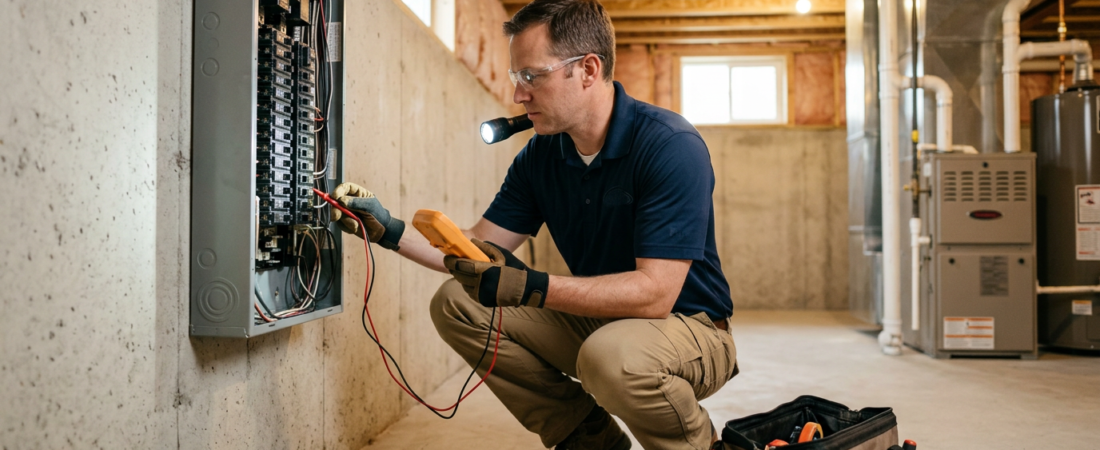
As professional home inspectors, we often observe the cumulative effects of daily living and maintenance practices on a home’s components. While we don’t inspect your cleaning supplies or techniques directly, the consequences of those practices – especially those involving water or harsh chemicals – are very much within our scope. This guide will illuminate how common home cleaning practices, particularly those that introduce moisture, can impact key areas of your home, what a home inspector meticulously evaluates, and what homeowners can do to prevent costly issues.
What a Home Inspector Looks For: Beyond the Surface Clean
A home inspector’s role is to provide an objective visual examination of the readily accessible systems and components of a home. When it comes to cleaning practices, our focus shifts to the resulting condition of the building materials. We’re not concerned with how shiny your floors are, but rather if the methods used to achieve that shine have compromised the integrity of the flooring, subflooring, or adjacent structures.
Flooring Integrity and Moisture Management
Flooring is often the first area to show signs of improper cleaning. We examine:
- Water Damage: This is paramount. Excessive moisture from mopping, steam cleaning, or spills can lead to swelling, buckling, warping, or cupping in hardwood and laminate flooring. We look for discoloration, lifting seams, and soft spots.
- Grout and Sealant Condition: In tiled areas (kitchens, bathrooms, entryways), we assess the condition of grout lines and perimeter caulking. Cracked, missing, or deteriorated grout and caulk are direct pathways for moisture to penetrate the subfloor, leading to potential rot or mold growth.
- Vinyl and Linoleum: We check for lifted edges, tears, or bubbles, which can indicate moisture trapped underneath or adhesive failure exacerbated by cleaning.
- Carpet: While less susceptible to direct water damage from routine cleaning, we note any persistent dampness, musty odors, or staining that could indicate underlying moisture issues or inadequate drying after cleaning.
Baseboards, Walls, and Subflooring
Moisture doesn’t always stay on the floor surface. It can wick into adjacent materials:
- Baseboards: We look for signs of swelling, peeling paint, or discoloration at the bottom of baseboards, indicating repeated exposure to water.
- Lower Wall Sections: Similar to baseboards, the bottom few inches of drywall or plaster can show moisture staining or efflorescence (a powdery white substance indicating mineral deposits left by evaporating water).
- Subflooring (where accessible): In unfinished basements or crawlspaces, we inspect the underside of the subfloor directly beneath wet areas (kitchens, bathrooms, laundry rooms). We use a moisture meter to detect elevated moisture levels in wood framing and subfloor materials, which can indicate active leaks or chronic moisture intrusion from above. Signs of rot, fungal growth, or pest activity (termites are attracted to moist wood) are significant red flags.
Ventilation and Humidity Control
Cleaning, especially with hot water or steam, can temporarily increase indoor humidity. While not a direct cleaning practice, we assess the adequacy of ventilation systems (bathroom exhaust fans, kitchen range hoods) to ensure they can effectively remove excess moisture, preventing condensation and potential mold growth on surfaces.
Common Defects and Red Flags Stemming from Cleaning Practices
During an inspection, certain findings immediately raise concerns:
- Warped or Buckled Flooring: Especially in areas prone to spills or heavy mopping, like kitchens and bathrooms. This indicates significant moisture absorption.
- Persistent Musty Odors: A strong indicator of hidden mold or mildew, often exacerbated by chronic dampness from cleaning or leaks.
- Soft Spots in Flooring: Suggests subfloor deterioration or rot, a serious structural concern.
- Discolored or Stained Baseboards/Walls: Water marks are clear evidence of moisture contact.
- Loose or Missing Grout/Caulk: Direct pathways for water to reach vulnerable sub-surfaces.
- Evidence of Pests: Many household pests, including cockroaches and termites, are attracted to damp environments created by moisture issues.
Common Homeowner Mistakes That Obstruct or Limit Inspections
Preparing your home for an inspection is crucial for a thorough evaluation. Cleaning-related mistakes can inadvertently hinder the process:
- Over-wetting Floors: While cleaning, ensure floors are not left excessively wet, especially before an inspection. Dampness can skew moisture meter readings or mask existing issues.
- Using Inappropriate Cleaners: Harsh chemicals can damage finishes or materials, which an inspector might note as deferred maintenance.
- Blocking Access: Ensure all areas are accessible. If you’ve recently cleaned and moved furniture, ensure it’s not blocking access to electrical panels, water heaters, or crawlspace/attic entry points.
- Not Addressing Spills Promptly: Leaving standing water or dampness can lead to issues that will be flagged.
- Masking Odors: While a clean home smells good, excessive air fresheners or candles can sometimes mask underlying musty odors that an inspector needs to detect.
Repair Cost vs. Benefit & Negotiation Implications
Addressing minor issues related to cleaning practices proactively can significantly benefit sellers and provide peace of mind for buyers. For instance:
- Regrouting or Recaulking: A relatively inexpensive DIY or professional fix that prevents major water damage. Cost: $50-$300 for DIY materials, $200-$600+ for professional.
- Repairing Minor Flooring Damage: Replacing a few warped laminate planks or repairing a small section of hardwood is far less costly than replacing an entire floor. Cost: Varies widely, but minor repairs might be $100-$500.
- Addressing Musty Odors: Investigating and resolving the source of a musty smell (e.g., improving ventilation, drying out a damp area) is crucial. Ignoring it could lead to expensive mold remediation.
When an inspector finds significant water damage, subfloor rot, or extensive mold that can be attributed to chronic moisture from cleaning or poor maintenance, these become major findings. Such issues can lead to substantial repair requests, credits, or even price renegotiations. For example, replacing a water-damaged subfloor and flooring in a kitchen could easily cost thousands of dollars ($3,000 – $10,000+ depending on scope and materials). Proactive maintenance, therefore, is not just about home longevity but also about preserving property value and facilitating smoother real estate transactions.
Printable Home Inspection Checklist: Cleaning & Maintenance Focus
Use this actionable checklist to prepare your home and maintain its condition, minimizing potential issues during an inspection:
- Inspect All Flooring: Walk through your home and visually inspect all flooring surfaces for signs of warping, buckling, discoloration, or soft spots.
- Check Grout & Caulk: In bathrooms, kitchens, and laundry areas, examine grout lines for cracks or missing sections. Check caulk around sinks, tubs, and showers for deterioration. Reapply as needed.
- Wipe Down Baseboards: Ensure baseboards are clean and free of water stains or peeling paint, especially near wet areas.
- Address Spills Immediately: Never let standing water sit on any flooring surface, particularly hardwood or laminate.
- Use Appropriate Cleaning Methods: Research the best cleaning practices for your specific flooring types. Avoid over-wetting. For example, while an O’Cedar spinning mop can be effective, ensure floors are not left excessively damp.
- Ensure Adequate Ventilation: Run bathroom and kitchen exhaust fans during and after cleaning to remove humidity.
- Clear Access Points: Ensure all mechanical areas, electrical panels, and attic/crawlspace access points are clear and easily accessible for the inspector.
- Check for Musty Odors: Pay attention to any persistent musty or mildewy smells, which could indicate hidden moisture issues.
- Review Cleaning Product Storage: Ensure cleaning chemicals are stored safely and not leaking onto floors or shelves.
When to Call a Specialist
While a home inspector identifies issues, they do not perform repairs or provide specific remediation plans. If an inspector flags significant moisture damage, persistent odors, or structural concerns related to flooring and subflooring, it’s time to call a specialist:
- Water Damage Restoration Company: For significant water intrusion, drying out affected areas, and preventing mold.
- Mold Remediation Specialist: If mold growth is extensive or suspected to be hidden.
- Flooring Contractor: For repair or replacement of damaged flooring materials.
- General Contractor or Structural Engineer: If subfloor rot or structural compromise is identified.
- Plumber: If the moisture issue is traced back to a plumbing leak that cleaning practices may have exacerbated or revealed.
Always seek licensed and insured professionals for these types of repairs to ensure they are done correctly and safely.
Frequently Asked Questions (FAQs)
- Q1: Does a home inspector care about how clean my house is?
- A1: While a tidy home is appreciated, an inspector’s primary concern isn’t superficial cleanliness. They focus on the condition of the home’s systems and components. However, excessive clutter or dirt can obscure issues, and signs of poor maintenance (like chronic moisture from cleaning) will be noted.
- Q2: Can using a steam mop damage my floors?
- A2: Yes, if used improperly or on unsuitable flooring. Steam mops introduce heat and moisture. While effective for some surfaces, they can delaminate laminate flooring, warp hardwood, or compromise grout and sealants if used too frequently or with excessive steam. Always check your flooring manufacturer’s recommendations.
- Q3: What’s the difference between a stain and water damage on flooring?
- A3: A stain is typically a discoloration on the surface. Water damage, however, often involves physical changes to the material, such as swelling, warping, buckling, or softening, indicating moisture has penetrated the material’s structure. An inspector uses visual cues and tools like a moisture meter to differentiate.
- Q4: How can I prevent mold growth related to cleaning?
- A4: Ensure proper ventilation during and after cleaning, especially in bathrooms and kitchens. Avoid over-wetting surfaces, and dry spills immediately. Address any leaks promptly. If you use a mop, ensure floors dry quickly and completely.
- Q5: Will an inspector test for mold if they find a musty smell?
- A5: A standard home inspection does not include mold testing. However, if an inspector detects a strong musty odor or sees visible signs of suspected mold, they will report it as a concern and recommend further evaluation and testing by a qualified mold specialist. For more information on moisture and mold, consult resources like the EPA’s guide on mold.
Related Home Inspection Guide: Complete Guide to how to clean houseAdd tag
Official Reference: For additional context, consult InterNACHI home inspection guidance.
Official Reference: For additional context, consult ASHI inspection standards and guidance.