A comprehensive home inspection is not just about identifying defects; it’s a powerful tool for uncovering hidden inefficiencies that drive up your utility bills. By meticulously examining your home’s major systems and components, a qualified inspector can pinpoint areas of energy loss, water waste, and electrical inefficiency, providing you with a roadmap to significant savings. This guide will delve into the specific areas an inspector evaluates, the red flags to watch for, and the practical steps you can take to optimize your home’s utility consumption.
The Home Inspection’s Role in Utility Savings
While a home inspection’s primary purpose is to assess the overall condition and safety of a property, its findings often directly correlate with a home’s operational efficiency. An inspector evaluates components that significantly impact energy consumption, such as the heating, ventilation, and air conditioning (HVAC) system, insulation levels, windows, doors, and water heating systems. Identifying deficiencies in these areas can reveal opportunities for substantial utility cost reductions.
Beyond the Visual: What Inspectors Look For
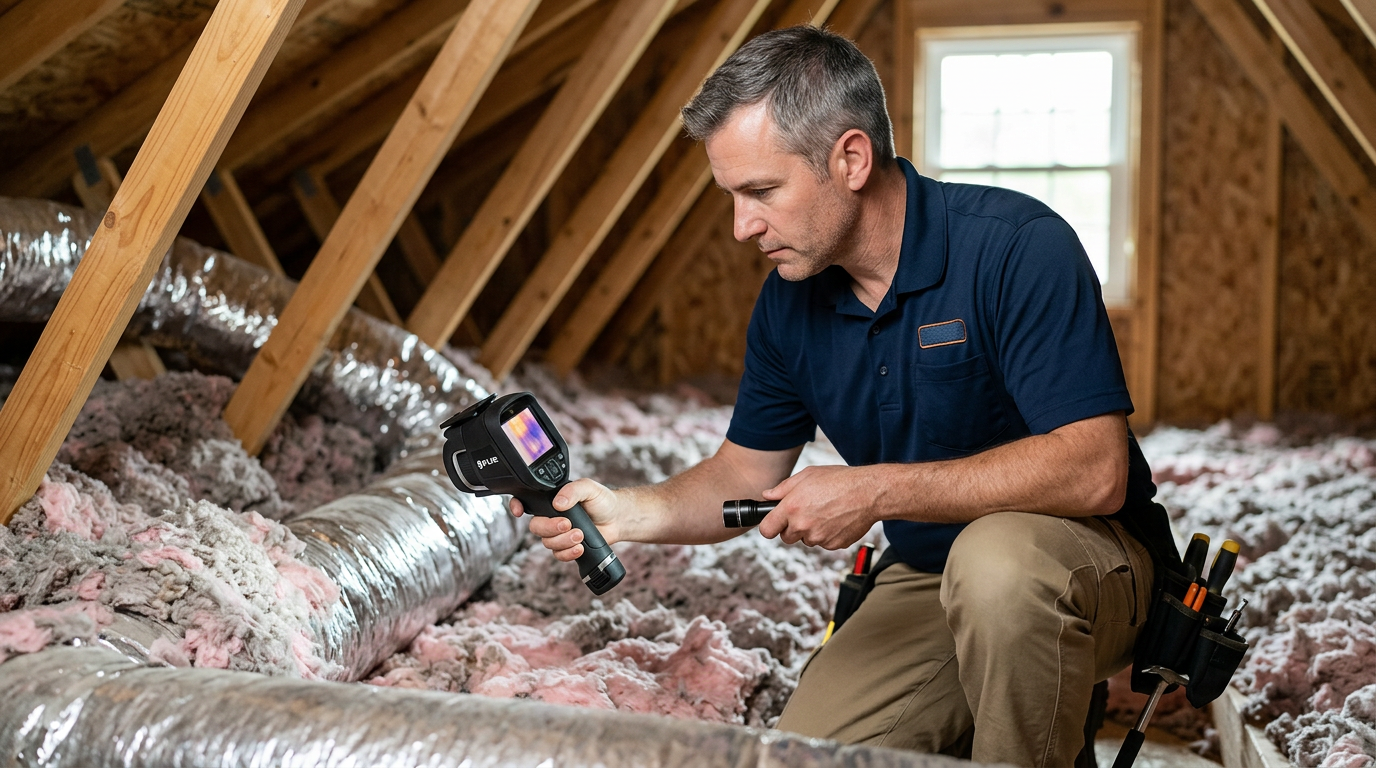
A professional home inspector goes beyond a superficial glance. They employ a systematic approach, often utilizing specialized tools and their extensive knowledge of residential construction. For instance, while they won’t perform an energy audit, they will identify conditions that indicate poor energy performance. This includes observing insulation levels in attics and crawlspaces, checking for air leaks around windows and doors, assessing the condition and age of HVAC units, and noting signs of plumbing leaks that waste water and energy.
Key Areas of Utility Loss: An Inspector’s Perspective
Understanding where your home is likely losing energy and water is the first step toward saving. Here’s what a home inspector focuses on:
HVAC Systems: The Energy Guzzlers
Your heating and cooling systems are often the largest consumers of energy in your home. An inspector will evaluate:
- Furnace/AC Units: They’ll note the age, visible condition, and operational status of the units. While they don’t test efficiency ratings directly, an older, poorly maintained unit is a strong indicator of inefficiency. Signs like excessive rust, unusual noises during operation, or visible leaks can suggest impending failure or poor performance.
- Ductwork: Visible ductwork in attics, crawlspaces, and basements will be inspected for proper insulation, sealing, and damage. Leaky or uninsulated ducts can lose a significant percentage of conditioned air before it reaches living spaces, forcing your system to work harder.
- Thermostats: The type and location of the thermostat are noted. An outdated, non-programmable thermostat can lead to unnecessary energy use. Proper placement, away from direct sunlight or drafts, is also crucial for accurate temperature sensing.
- Red Flags: Short cycling (HVAC turns on and off frequently), excessive noise, visible rust on the unit, dirty coils, or unsealed/uninsulated ductwork are all indicators of potential inefficiency or maintenance issues.
- Specialist: Any significant concerns with the HVAC system warrant further evaluation by a licensed HVAC technician.
Building Envelope: Your Home’s Thermal Barrier
The building envelope—your roof, walls, windows, and foundation—is your primary defense against external temperatures. Deficiencies here lead to significant heat gain in summer and heat loss in winter.
- Insulation: In accessible areas like the attic and crawlspace, the inspector will observe the type, depth, and condition of insulation. They’ll look for areas where insulation is compressed, missing, or compromised by moisture intrusion. Inadequate attic insulation (low R-value) is a common culprit for high heating and cooling bills. Proper attic ventilation, including soffit and ridge vents, is also assessed to prevent heat buildup and moisture issues.
- Windows & Doors: The condition of windows and doors, including their frames, glazing, and weatherstripping, is critical. Gaps, cracked panes, or deteriorated seals allow significant air leakage. While an inspector won’t perform a blower door test, they will identify visible deficiencies.
- Exterior Siding & Flashing: Proper siding and flashing prevent moisture intrusion, which can degrade insulation and structural components. Issues with exterior grading and drainage can also lead to moisture in crawlspaces or basements, impacting insulation effectiveness and potentially leading to mold.
- Red Flags: Noticeable drafts, condensation on windows, inconsistent room temperatures, visible gaps around frames, deteriorated weatherstripping, or signs of moisture stains on interior walls/ceilings.
- Specialist: An energy auditor can provide a detailed analysis. For specific repairs, consult an insulation contractor, window/door specialist, or a general contractor.
Water Heating: A Hidden Cost
Heating water accounts for a substantial portion of a home’s energy use.
- Water Heater: The inspector will note the age, type (tank, tankless), capacity, and visible condition of the water heater. Signs of rust, leaks, or improper installation (e.g., lack of a temperature and pressure relief valve discharge pipe) are red flags. Tank insulation and the presence of hot water recirculation systems (which can increase energy use if not properly controlled) are also considered.
- Plumbing: Visible plumbing leaks, even small drips, waste water and the energy used to heat it. Inspectors check for active leaks at fixtures, under sinks, and around the water heater.
- Red Flags: A water heater over 10-12 years old, visible rust or corrosion, active leaks, or insufficient hot water (though this is a performance issue, not a direct inspection finding unless easily replicable).
- Specialist: A licensed plumber should address any water heater or plumbing concerns.
Electrical Systems & Appliances: Power Consumption
While an inspector primarily focuses on electrical safety, certain observations can indicate potential for utility savings.
- Electrical Service Panels: The panel is inspected for proper wiring, labeling, and any signs of overheating or overloading. While not directly about efficiency, an overloaded system can indicate high demand, prompting a homeowner to consider energy-efficient alternatives.
- Lighting: While not a detailed assessment, an inspector might note prevalent use of older, inefficient incandescent lighting.
- Appliances: The inspector notes the presence and general condition of major appliances. Older appliances, especially refrigerators and freezers, are often significantly less energy-efficient than newer ENERGY STAR® rated models.
- Red Flags: Flickering lights, warm outlets or switch plates, frequently tripped circuit breakers, or an outdated electrical service panel can indicate safety hazards and potential for inefficient power delivery.
- Specialist: A licensed electrician for any electrical system concerns.
Ventilation & Air Quality: Balancing Act
Proper ventilation is crucial for indoor air quality and preventing moisture issues, which can indirectly affect utility costs.
- Attic Ventilation: Adequate attic ventilation (e.g., soffit and ridge vents) helps regulate attic temperature, reducing heat transfer into living spaces and preventing ice dams in colder climates. Inspectors check for blockages or deficiencies.
- Bathroom/Kitchen Exhaust Fans: These fans remove moisture and odors. Inspectors verify their functional operation and proper venting to the exterior, not into the attic, which can lead to moisture buildup and compromised insulation.
- Red Flags: Excessive heat in the attic, signs of mold or mildew, or exhaust fans that don’t vent properly.
- Specialist: HVAC technician or a mold remediation specialist if moisture issues are present.
Common Homeowner Mistakes That Obstruct Inspections
To get the most comprehensive assessment of your home’s utility-saving potential, ensure the inspector has clear access to all critical areas. Common mistakes that can limit an inspection include:
- Blocked Access: Ensure clear pathways to the attic hatch, crawlspace entry, electrical service panels, furnace, water heater, and exterior HVAC units. Boxes, furniture, or stored items can prevent a thorough evaluation.
- Locked Areas: All utility closets, mechanical rooms, and exterior gates should be unlocked.
- Utilities Turned Off: For a proper operational check of HVAC, plumbing, and electrical systems, all utilities (electricity, water, gas) must be active.
- Clutter Around Windows/Doors: Heavy drapes, blinds, or furniture pressed against windows and doors can obscure visible air leaks or damage to seals and weatherstripping.
- Pets Left Loose: While not directly related to utility savings, loose pets can distract the inspector or prevent access to certain areas, potentially leading to missed observations.
Repair Cost vs. Benefit & Negotiation Implications
Addressing identifiable utility inefficiencies before a home inspection can significantly improve your property’s presentation and potentially reduce the number of repair requests or price concessions from prospective buyers. For current homeowners, these repairs translate directly into long-term savings.
For example, sealing leaky ductwork or adding attic insulation might cost a few hundred to a few thousand dollars upfront, but the annual savings on heating and cooling can provide a rapid return on investment. The U.S. Department of Energy (DOE) provides extensive resources on energy-saving home improvements, highlighting the financial benefits of such upgrades. For instance, air sealing and insulation can save homeowners an average of 15% on heating and cooling costs, according to the DOE.
During a real estate transaction, inspection findings related to energy inefficiency should be evaluated fairly. While a buyer might request a credit for a 20-year-old furnace, they might also be willing to accept a home with minor air leaks if the overall condition is good, especially if the seller has already addressed major concerns. The goal is to present a well-maintained home that offers both comfort and reasonable operating costs.
Defects & Red Flags for Utility Inefficiency
Here’s a summary of common defects and what they may indicate regarding utility waste:
- Insufficient Attic Insulation: Visible low R-value, uneven distribution, or compressed insulation. Indicates: Significant heat loss/gain through the roof.
- Unsealed Ductwork: Visible gaps, disconnected sections, or lack of mastic/tape on HVAC ducts. Indicates: Loss of conditioned air, making HVAC system work harder.
- Deteriorated Window/Door Seals: Gaps, cracked caulk, missing weatherstripping, or fogged double-pane windows. Indicates: Major air leakage and heat transfer.
- Aging HVAC System: Unit over 15 years old, visible rust, frequent repairs, or short cycling. Indicates: Decreased efficiency, higher energy consumption, and potential for costly breakdown.
- Leaking Plumbing Fixtures: Dripping faucets, running toilets, or visible pipe leaks. Indicates: Water waste and potential energy waste if it’s hot water.
- Old Water Heater: Tank over 10-12 years old, signs of rust or sediment buildup. Indicates: Reduced efficiency, higher energy use for water heating, and risk of failure.
- Improperly Vented Exhaust Fans: Bathroom/kitchen fans venting into the attic. Indicates: Moisture buildup, potential for mold, and compromised attic insulation.
Repair & Specialist Guidance
Based on inspection findings, here’s when to call a specialist:
- HVAC System Issues: A licensed HVAC technician for repairs, maintenance, or replacement of furnaces, air conditioners, and ductwork.
- Insulation & Air Sealing: An insulation contractor or energy auditor for assessing R-value, adding insulation, and performing comprehensive air sealing.
- Window & Door Problems: A window/door specialist or general contractor for repairs, weatherstripping replacement, or full unit replacement.
- Plumbing Leaks & Water Heater Concerns: A licensed plumber for all water system repairs, including water heater service or replacement.
- Electrical System Concerns: A licensed electrician for any issues related to the electrical service panel, wiring, or outlets.
- Roofing/Ventilation Issues: A qualified roofer for issues with roof flashing, attic vents, or roof integrity affecting insulation.
Printable Home Inspection Checklist for Utility Savings
Use this actionable checklist to prepare for your inspection and to follow up on findings related to utility efficiency:
- Before the Inspection:
- Ensure all utilities (electricity, water, gas) are turned on.
- Clear access to the attic hatch, crawlspace entry, electrical panel, furnace, and water heater.
- Remove clutter from around windows and doors to allow for thorough inspection of seals.
- Check and replace HVAC air filters if dirty.
- During the Inspection (What to Discuss with Inspector):
- Ask about the age and condition of the HVAC system and water heater.
- Inquire about visible insulation levels in the attic and crawlspace.
- Discuss any observed air leaks around windows, doors, or penetrations.
- Ask about the condition of ductwork in accessible areas.
- After the Inspection (Actionable Steps):
- Review the inspection report for findings related to insulation, HVAC, windows/doors, and water heating.
- Prioritize repairs based on potential utility savings and safety.
- Obtain quotes from licensed specialists (HVAC technician, plumber, insulation contractor, energy auditor).
- Consider an energy audit for a detailed analysis of your home’s energy performance.
- Regularly clean or replace HVAC filters (monthly or quarterly).
- Seal visible air leaks around windows, doors, and utility penetrations with caulk or weatherstripping.
- Insulate your water heater tank and hot water pipes if not already done.
- Consider upgrading to ENERGY STAR® rated appliances when replacements are needed.
Frequently Asked Questions (FAQ)
Q1: Can a home inspection tell me exactly how much I’ll save on utilities?
A home inspection identifies deficiencies that contribute to high utility costs, but it does not provide an exact calculation of savings. For precise figures and a detailed breakdown, you would need a specialized energy audit, which often includes diagnostic tests like a blower door test and thermal imaging.
Q2: What’s the most common utility-wasting issue found during an inspection?
Inadequate or poorly installed attic insulation and significant air leakage through the building envelope (windows, doors, and wall penetrations) are among the most frequent findings that lead to high heating and cooling costs. Leaky ductwork is also a major culprit.
Q3: Should I replace my old windows to save on utilities?
While new, energy-efficient windows can offer savings, they are a significant investment. An inspector will identify if your current windows are a major source of air leakage or heat transfer. Often, simply sealing air leaks with caulk and weatherstripping can provide substantial savings at a much lower cost. Consult with an energy auditor to determine the most cost-effective upgrades for your specific home.
Q4: Does a home inspector check for energy-efficient appliances?
A home inspector notes the presence and general condition of major appliances. They do not typically assess the energy efficiency rating of individual appliances, though they may note the age, which can be an indicator of efficiency. Homeowners can look for the ENERGY STAR® label on appliances to identify more efficient models.
Q5: How often should I have my HVAC system inspected for efficiency?
Beyond the home inspection, it’s recommended to have your HVAC system professionally serviced annually by a licensed HVAC technician. This routine maintenance helps ensure it operates at peak efficiency, prolongs its lifespan, and can identify minor issues before they become costly problems. The InterNACHI (International Association of Certified Home Inspectors) also emphasizes the importance of regular maintenance for optimal home performance.