As a professional home inspector, I often encounter the indirect effects of common household cleaning practices on a property’s condition. While we don’t inspect cleaning tools like an O’Cedar spinning mop directly, their regular use, especially with excessive moisture, can have significant implications for your home’s flooring, subflooring, and overall moisture management. Understanding these potential impacts is crucial for homeowners, prospective buyers, and sellers to maintain property value and prevent costly repairs. This guide will delve into what home inspectors look for, the practical evaluation of potential damage, and essential maintenance considerations. Complete Guide to What is a Steam Mop: Implications for Home Inspection and Home Maintenance Complete Guide to how to clean houseAdd tag
The Inspector’s Perspective: Beyond the Surface Clean
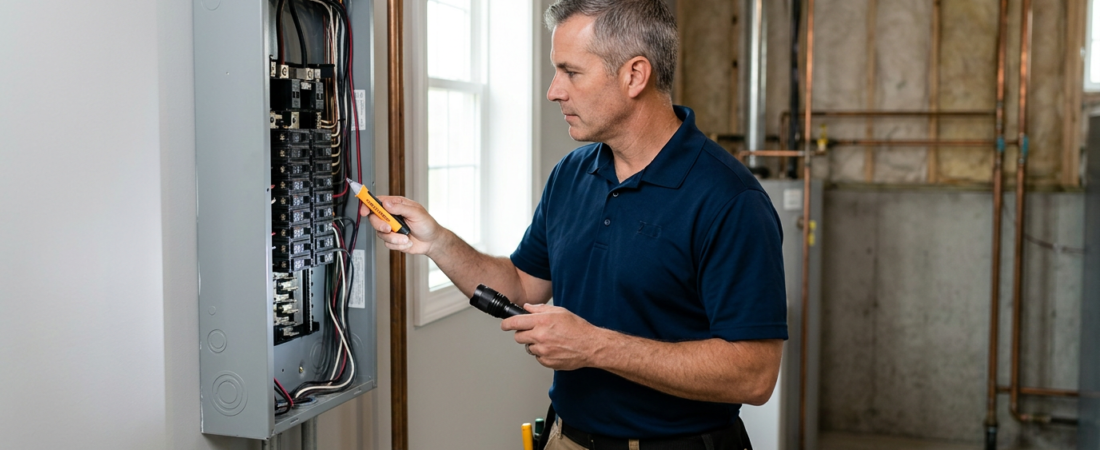
A home inspector’s role is to observe and report on the readily accessible, visually observable components and systems of a home. When it comes to cleaning tools like an O’Cedar spinning mop, the focus shifts from the tool itself to its potential consequences on the building’s structural and material integrity. Excessive or prolonged moisture exposure, even from seemingly benign cleaning, can lead to a cascade of issues.
What an Inspector Looks For
During an inspection, we meticulously examine areas prone to moisture exposure, particularly flooring in kitchens, bathrooms, and entryways where mops are frequently used. Key indicators we assess include:
- Flooring Condition: We look for signs of warping, cupping, buckling, or delamination in hardwood, laminate, and engineered wood flooring. Tile grout integrity and loose tiles can also indicate underlying moisture issues.
- Baseboards and Trim: Swelling, discoloration, or separation from the wall at the baseboards often points to moisture wicking up from the floor.
- Subfloor Integrity: While not always directly visible, soft spots or unevenness in flooring can suggest subfloor damage, which may be exacerbated by repeated moisture exposure.
- Visible Mold or Mildew: Any visible fungal growth, particularly in corners or along baseboards, is a significant red flag for chronic moisture.
- Odor: A musty odor, especially in lower levels or near flooring, is a strong indicator of hidden moisture or mold.
- Moisture Readings: We utilize specialized tools like moisture meters to detect elevated moisture levels in flooring, subflooring, and adjacent wall materials, even when no visible damage is present. This helps differentiate surface dampness from deeper saturation.
Technical Considerations and Practical Evaluation
Different flooring types react differently to moisture. Laminate and engineered wood, for instance, are particularly susceptible to swelling and delamination at seams when exposed to excessive water, as their core layers are often particleboard or fiberboard. Hardwood can cup or warp. Even ceramic or porcelain tile, while water-resistant, relies on intact grout and proper installation to prevent water from seeping into the subfloor. Once moisture penetrates the subfloor, it can compromise structural components, lead to wood rot, and create an environment conducive to mold growth.
An inspector’s evaluation involves not just identifying the damage but also attempting to understand its likely cause and extent. For example, consistent warping along a kitchen sink area might point to a plumbing leak, but widespread cupping across a large floor area could indicate general moisture issues, potentially from cleaning practices or high ambient humidity.
Common Defects and Red Flags
Understanding these specific issues can help homeowners identify problems early:
- Warped or Cupped Hardwood: When wood absorbs moisture unevenly, the edges of planks can rise (cupping) or the center can rise (crowning). This indicates significant moisture intrusion.
- Laminate/Engineered Wood Swelling: Irreversible swelling at the edges or seams of laminate or engineered wood planks is a clear sign of water damage, often from cleaning or spills.
- Loose or Cracked Grout/Tiles: Compromised grout allows water to penetrate the setting bed and subfloor, leading to potential structural damage and mold.
- Discolored or Soft Baseboards: Water wicking up from the floor can cause baseboards to swell, soften, or show water stains.
- Musty Odors: A persistent musty smell, especially in areas with flooring, is a strong indicator of hidden mold or mildew, often fueled by moisture.
- Subfloor Delamination/Rot: Soft spots when walking on the floor, or visible deterioration in exposed subfloor areas (e.g., in a crawlspace), are severe red flags requiring immediate attention.
Common Homeowner Mistakes Obstructing Inspection and Causing Damage
Homeowners often inadvertently contribute to or obscure potential issues related to cleaning and moisture:
- Over-wetting Floors: Using too much water with mops, even ‘spinning’ ones designed to wring out excess, can saturate flooring materials and subfloors over time.
- Ignoring Spills: Leaving standing water or significant spills unattended, especially on moisture-sensitive flooring, allows for deeper penetration.
- Inadequate Ventilation: Cleaning in poorly ventilated areas can trap moisture, increasing humidity and slowing drying times, which promotes mold growth.
- Blocking Access to Problem Areas: Storing boxes or furniture tightly against walls or in areas with known moisture concerns can prevent proper drying and obscure visible damage during an inspection.
- Turning Off Utilities: While not directly related to mops, turning off water or electricity before an inspection can prevent the inspector from fully testing plumbing or using tools like moisture meters effectively.
Repair Cost vs. Benefit & Negotiation Implications
Addressing moisture-related flooring issues proactively can significantly improve a property’s presentation and reduce potential friction during a real estate transaction. Visible water damage, warped floors, or signs of mold are major red flags for buyers and will almost certainly lead to repair requests, credits, or price concessions.
The cost of repairs can range from minor grout repair ($100-$300) to extensive subfloor replacement and new flooring installation (thousands to tens of thousands of dollars, depending on the area). For instance, replacing a section of water-damaged laminate flooring might cost $500-$1,500, while addressing significant subfloor rot and replacing hardwood in a large room could easily exceed $5,000-$10,000. Mold remediation adds another layer of expense.
By preventing these issues through proper cleaning and maintenance, sellers can avoid these costs and present a home in better condition, leading to a smoother sale process. Buyers, conversely, should be aware of these potential issues and factor them into their evaluation of a property.
Printable Home Inspection Checklist: Preventing Moisture Damage from Cleaning
Use this checklist to ensure your cleaning practices don’t inadvertently cause damage and to prepare your home for an inspection:
- Flooring Type Awareness: Understand your specific flooring’s moisture resistance. Research manufacturer recommendations for cleaning.
- Minimal Moisture Cleaning: Always wring out mops thoroughly. For laminate or engineered wood, use a damp (not wet) mop or specialized cleaning pads.
- Immediate Spill Cleanup: Wipe up any spills or standing water on floors immediately.
- Ventilation: Ensure adequate ventilation during and after cleaning, especially in bathrooms and kitchens. Open windows or use exhaust fans.
- Regular Grout Inspection: Periodically check tile grout for cracks or deterioration and repair as needed.
- Baseboard Check: Inspect baseboards regularly for signs of swelling, discoloration, or separation.
- Subfloor Monitoring: Be aware of any soft spots or unusual sounds when walking on floors, which could indicate subfloor issues.
- Address Plumbing Leaks: Promptly fix any plumbing leaks under sinks or behind appliances to prevent compounding moisture issues.
- Clear Access for Inspection: Ensure all areas, especially those with flooring, are clear of clutter for a thorough inspection.
- Maintain Utilities: Keep all utilities (water, electricity) on for the duration of the inspection.
When to Call a Specialist
While a home inspector identifies potential issues, they do not diagnose or prescribe repairs. If an inspector identifies significant moisture intrusion, flooring damage, or suspected mold, it’s crucial to consult a qualified specialist:
- Flooring Specialist: For extensive warping, buckling, or delamination of flooring materials. They can assess the extent of damage and recommend repair or replacement.
- Water Damage Restoration/Mold Remediation Professional: If there’s evidence of significant water intrusion or visible mold growth. They can safely remove mold and dry out affected areas. The EPA provides guidance on mold cleanup.
- General Contractor: For structural subfloor damage or extensive repairs involving multiple trades.
- Plumber: If the moisture issue is suspected to be related to a plumbing leak.
FAQ: O’Cedar Mops and Home Health
Q1: Can using an O’Cedar spinning mop really damage my floors?
A1: Yes, if used improperly. While designed to wring out excess water, consistently over-wetting certain types of flooring (especially laminate, engineered wood, or even hardwood) can lead to moisture intrusion, causing warping, swelling, and subfloor damage over time.
Q2: What are the main red flags a home inspector looks for regarding moisture from cleaning?
A2: Inspectors look for visible signs like warped or cupped flooring, swollen baseboards, discolored or soft materials, loose tiles or cracked grout, and any musty odors. They may also use moisture meters to detect elevated moisture levels not visible to the naked eye.
Q3: How can I prevent moisture damage from my cleaning routine?
A3: Always wring out your mop thoroughly to ensure it’s just damp, not wet. Clean up spills immediately. Ensure good ventilation during and after cleaning. Regularly inspect your floors and baseboards for any signs of moisture damage.
Q4: If a home inspector finds water damage, what’s the next step?
A4: The inspector will report their findings. Your next step is to consult a qualified specialist, such as a flooring contractor, water damage restoration company, or mold remediation expert, to further assess the damage, determine the source, and recommend appropriate repairs.
Q5: Does a home inspection cover the performance of cleaning appliances like mops?
A5: No, a home inspection focuses on the readily accessible, visually observable components and systems of the home itself, not personal appliances. However, the *effects* of using such appliances, particularly moisture damage, are definitely within the scope of an inspection.
Official Reference: For additional context, consult InterNACHI home inspection guidance.
Official Reference: For additional context, consult ASHI inspection standards and guidance.