A home inspection report is a pivotal document in any real estate transaction, offering a detailed snapshot of a property’s condition at a specific point in time. For prospective buyers, it’s an essential tool for informed decision-making; for sellers, it provides valuable insights for proactive maintenance or disclosure. This comprehensive guide from sdhomeinspect.com will equip you with the knowledge to thoroughly understand, evaluate, and act upon the findings within your home inspection report.
(Note: While the keyword ‘o’cedar spinning mop’ was provided, it is not a component typically addressed in a professional home inspection. This guide focuses on the critical process of understanding and acting upon your home inspection report, covering the systems and components that are standard in a residential property inspection.)
The Home Inspector’s Role and the Scope of Inspection
A professional home inspection is a visual examination of the readily accessible areas of a residential property. Its purpose is to identify significant defects and safety concerns, not to provide an exhaustive list of every minor flaw or predict future performance. An inspector adheres to a Standards of Practice, such as those set by the InterNACHI or ASHI, which define the scope and limitations of the inspection.
Inspectors observe and report on the condition of a home’s major systems and components, including the structural elements, exterior, roofing, plumbing, electrical, heating, air conditioning, interiors, insulation, and ventilation. They do not perform destructive testing, move personal belongings, or inspect areas that are not readily accessible. It’s crucial to understand that an inspection is not a code compliance inspection, an appraisal, or a guarantee.
Decoding Your Home Inspection Report
Your home inspection report will typically be a detailed document, often hundreds of pages long, filled with descriptions, photos, and recommendations. Understanding its structure and terminology is key:
- Summary Section: Most reports begin with a summary of the most significant findings. While useful, always read the full report for complete context.
- Categorization of Findings: Inspectors often categorize findings to help prioritize. Common categories include:
- Safety Hazards: Issues posing immediate danger (e.g., exposed electrical wiring, gas leaks). These require urgent attention.
- Major Defects: Significant issues that could lead to substantial expense or compromise the home’s integrity (e.g., active moisture intrusion, structural concerns, failing HVAC components).
- Maintenance Items: Routine upkeep recommendations (e.g., cleaning gutters, sealing windows, servicing HVAC).
- Minor/Cosmetic Issues: Small imperfections that don’t affect safety or function (e.g., chipped paint, loose doorknob).
- Terminology: Familiarize yourself with terms like ‘deficiency,’ ‘recommendation,’ ‘further evaluation,’ and ‘service life.’ ‘Further evaluation’ often means a specialist is needed.
Key Systems: What Inspectors Look For and Why It Matters
A thorough home inspection delves into the functionality and condition of numerous critical systems. Here’s a deeper look into what an inspector evaluates:
Structural Components
The inspector examines the foundation, visible framing (in accessible basements or crawlspaces), and roof structure (from the attic). They look for signs of settlement, cracking, bowing, or water damage that could indicate structural compromise. For instance, significant cracks in a foundation wall, especially horizontal ones, can be a red flag for soil movement or hydrostatic pressure.
Exterior
This includes the roof covering (shingles, tiles, etc.), flashing around penetrations (chimneys, vents), gutters, downspouts, siding, windows, and exterior doors. Proper grading and drainage are critical; inspectors observe if the ground slopes away from the foundation to prevent moisture intrusion into the basement or crawlspace. Damaged or improperly installed roof flashing is a common source of leaks.
Interior
Inside, the inspector checks walls, ceilings, floors, doors, and windows for signs of defects, such as water stains, cracks, or operational issues. They also evaluate the condition of interior finishes and trim.
Plumbing System
The plumbing inspection covers the water supply lines, waste and vent pipes, fixtures (faucets, toilets, showers), water heater, and the main water shutoff valve. Inspectors check for leaks, adequate water pressure, proper drainage, and the functionality of the water heater. They’ll note issues like corroded pipes, slow drains, or a water heater past its typical service life.
Electrical System
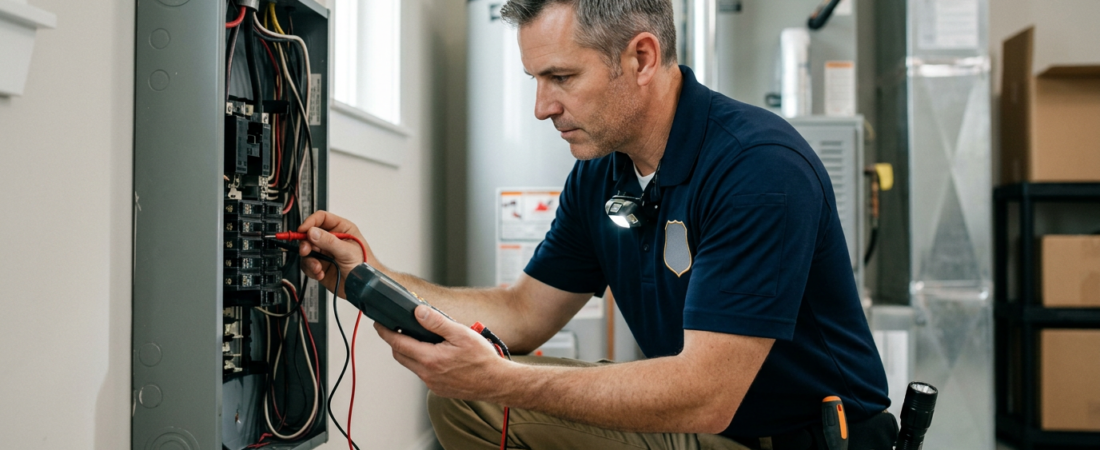
This is a critical safety component. The inspector examines the electrical service panel (main breaker box) for proper wiring, appropriate breaker sizes, and potential hazards like double-tapped breakers or corrosion. They test a representative number of outlets, including GFCI receptacle/outlet testing in wet areas (kitchens, bathrooms, exteriors) and AFCI (Arc Fault Circuit Interrupter) breakers where installed. They look for exposed wiring, ungrounded outlets, and signs of overheating.
HVAC System
The heating, ventilation, and air conditioning (HVAC) system is evaluated for functionality, apparent condition, and safety. This includes operating the furnace and air conditioner (weather permitting), checking filters, ductwork, and thermostats. Red flags include unusual noises, lack of proper temperature differential, or a cracked heat exchanger in a furnace, which can pose a carbon monoxide risk.
Attic & Insulation
In the attic, inspectors assess insulation levels (checking for adequate R-value), ventilation (soffit and ridge vents), and signs of moisture intrusion or pest activity. Inadequate attic insulation can lead to significant energy loss and ice damming in colder climates.
Crawlspace/Basement
Accessible crawlspaces and basements are inspected for structural integrity, signs of moisture intrusion (using moisture meters), wood-destroying organisms, and proper ventilation. Standing water or excessive humidity in these areas are major red flags.
Safety Concerns
Inspectors verify the presence and functionality of smoke detectors and carbon monoxide detectors. They may also recommend radon testing, especially in areas known for elevated radon levels, as it’s a significant indoor air quality concern.
Common Defects and Red Flags
While every home is unique, certain issues appear frequently in inspection reports:
- Moisture Intrusion: Water stains on ceilings, efflorescence on basement walls, or active leaks are serious. They can lead to mold, rot, and structural damage.
- Electrical Hazards: Outdated wiring (e.g., knob-and-tube, aluminum branch wiring), ungrounded outlets, overloaded circuits, or improperly installed electrical components pose fire and shock risks.
- HVAC System Deficiencies: An aging system, a non-functional unit, or a cracked heat exchanger can be costly to repair or replace and may present safety concerns.
- Roofing Issues: Missing or damaged shingles, deteriorated flashing, or an aged roof covering indicate a need for repair or replacement, which can be a significant expense.
- Structural Concerns: Large foundation cracks, sagging floors, or compromised support beams suggest serious underlying issues that require immediate professional evaluation by a structural engineer.
- Inadequate Grading and Drainage: Water pooling near the foundation or improper downspout discharge can lead to basement flooding and foundation damage.
- Plumbing Leaks: Even small, persistent leaks can lead to significant water damage and mold growth over time.
Common Homeowner Mistakes That Obstruct Inspections
For sellers, preparing your home for inspection is crucial. Obstructions can lead to an incomplete inspection, requiring re-inspections or raising buyer concerns. Avoid these common mistakes:
- Blocked Access: Ensure clear access to all mechanical systems, including the electrical service panel, water heater, furnace, air handler, attic access points, and crawlspace entries. Do not store boxes or furniture directly against these areas.
- Utilities Turned Off: All utilities (water, electricity, gas) must be on and operational for the inspector to test systems properly. If utilities are off, systems cannot be evaluated, leading to delays and potential re-inspection fees.
- Pets Left Loose: Secure all pets in crates or remove them from the property. This ensures the inspector’s safety and prevents distractions or accidental escapes.
- Clutter and Personal Items: While inspectors don’t move personal items, excessive clutter can obscure areas that need inspection, such as basement walls, baseboards, or under sinks.
- Locked Areas: Ensure all doors, gates, and access panels are unlocked, including sheds, garages, and utility closets.
- Pilot Lights Off: If you have gas appliances, ensure pilot lights are lit so the inspector can test them.
Repair Implications, Cost vs. Benefit, and Negotiation
An inspection report is a negotiation tool. For sellers, addressing accessible problems before the inspection can improve the property’s presentation and reduce avoidable repair requests or price concessions. For buyers, the report helps prioritize concerns and estimate potential costs.
When evaluating findings:
- Prioritize: Safety issues and major defects should take precedence. Minor cosmetic issues are typically less critical.
- Get Estimates: For significant findings, obtain quotes from qualified contractors. This provides a realistic understanding of repair costs.
- Cost vs. Benefit: Consider the long-term implications. Investing in a new roof or HVAC system might be a significant upfront cost but can offer peace of mind and energy savings.
- Negotiation: Buyers can use significant findings to request repairs, credits, or a price reduction. Sellers can choose to make repairs, offer credits, or negotiate on price. The goal is a fair and professional resolution, not to demand perfection.
Printable Home Inspection Action Plan
Use this checklist to systematically review your inspection report and plan your next steps:
- Read the Entire Report: Don’t just skim the summary. Understand the context of each finding.
- Highlight Key Findings: Mark all safety hazards and major defects.
- Categorize Issues: Group findings into ‘Safety,’ ‘Major Repair,’ ‘Maintenance,’ and ‘Cosmetic.’
- Consult with Your Agent: Discuss the findings and their implications for your transaction.
- Identify Specialist Needs: For any ‘further evaluation’ recommendations, note which type of specialist is required (e.g., electrician, plumber, structural engineer).
- Obtain Repair Estimates: For major defects or safety issues, contact qualified contractors for repair quotes. Get multiple bids if possible.
- Prioritize Repairs/Requests: Decide which items are critical for negotiation or immediate attention.
- Formulate Your Request (Buyers): Work with your agent to draft a repair request or credit proposal based on the significant findings and estimates.
- Review and Respond (Sellers): Evaluate the buyer’s requests and determine your response (agree to repair, offer credit, or decline).
- Plan for Post-Closing Maintenance: Even if issues are resolved, schedule routine maintenance for your new home based on the report’s recommendations.
- Keep the Report: Store your report in a safe place for future reference regarding maintenance or potential resale.
When to Call a Licensed Specialist
A home inspector identifies issues; a specialist diagnoses and repairs them. Always consult a licensed professional for specific concerns:
- Licensed Electrician: For any electrical service panel issues, wiring concerns, ungrounded outlets, or GFCI/AFCI malfunctions.
- Licensed Plumber: For persistent leaks, water pressure issues, water heater problems, or concerns with drain lines.
- Licensed HVAC Technician: For heating or cooling system malfunctions, suspected refrigerant leaks, or concerns about a cracked heat exchanger.
- Licensed Roofer: For significant roof damage, flashing issues, or concerns about the roof’s remaining service life.
- Structural Engineer: For significant foundation cracks, sagging floors, bowing walls, or any concerns about the structural integrity of the home.
- Radon Professional: If radon testing is recommended or results show elevated levels, a certified radon mitigation specialist should be consulted.
- Pest Control Professional: For evidence of wood-destroying organisms (termites, carpenter ants) or other significant pest infestations.
Remember, your home inspector is a generalist. They provide a critical overview, but specific, complex issues often require the expertise of a trade-specific professional.
Frequently Asked Questions (FAQs)
What if my home inspection report has many issues?
It’s common for reports to list numerous items, even in newer homes. Focus on safety hazards and major defects first. Many items are routine maintenance. Use the report to prioritize and make informed decisions, not to panic.
Do I have to fix everything on the inspection report?
No. For sellers, you are generally only obligated to disclose known material defects. For buyers, you can request repairs or credits for significant issues, but sellers are not always obligated to agree to all requests. Minor cosmetic issues are typically not negotiated.
How long is a home inspection report valid?
A home inspection report reflects the condition of the home at the time of the inspection. Its ‘validity’ is subjective; conditions can change rapidly. Most reports are considered current for the duration of the transaction they were performed for, but for subsequent transactions or after significant time, a new inspection would be advisable.
Can I attend the home inspection?
Absolutely, and it’s highly recommended! Attending allows you to ask questions, observe findings firsthand, and gain a deeper understanding of the home’s condition. It’s an invaluable educational opportunity.
What’s the difference between a home inspection and an appraisal?
A home inspection assesses the physical condition of the property’s major systems and components. An appraisal determines the market value of the property, primarily for lending purposes. They serve different functions and are performed by different professionals.
Conclusion
A home inspection report is more than just a list of problems; it’s a comprehensive guide to your property’s health. By understanding its findings, recognizing red flags, and knowing when to seek specialist advice, you empower yourself to make sound decisions, whether you’re buying, selling, or simply maintaining your most valuable asset. sdhomeinspect.com is committed to providing you with the knowledge and resources to navigate the complexities of home ownership with confidence.
Official Reference: For additional context, consult InterNACHI home inspection guidance.