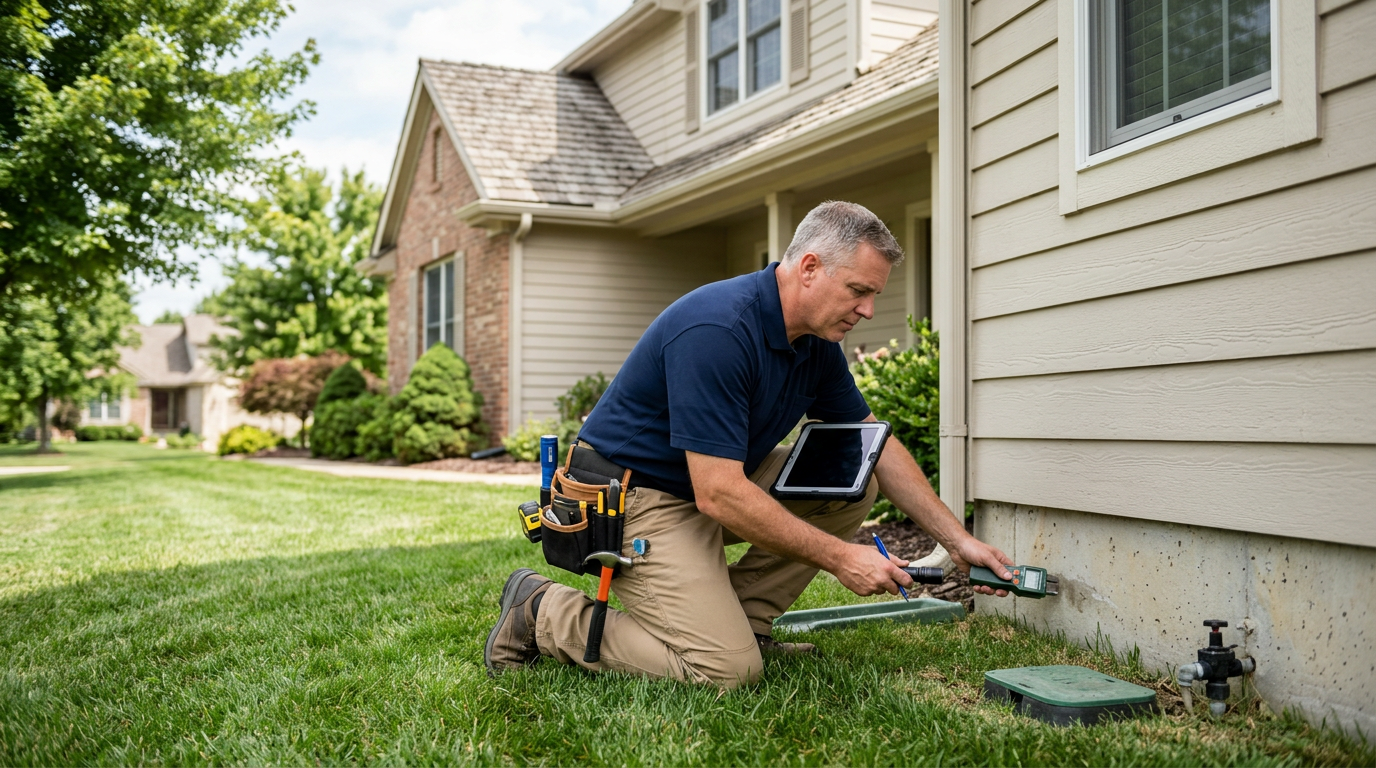
A functional and efficiently installed sprinkler system is more than just a convenience; it’s an integral part of maintaining your home’s landscaping, conserving water, and preventing potential foundation issues from improper drainage. During a home inspection, our focus on sprinkler systems extends beyond mere functionality to evaluate the quality of its installation, its current operational status, and any signs of disrepair that could lead to significant costs or water waste down the line. We assess visible components to identify deficiencies that impact performance, longevity, and safety, providing you with a clear understanding of its condition. Complete Guide to Sprinkler System Repair: Inspection Findings and Next Steps Complete Guide to the ‘Rule of the Right Hand’ and ‘Maypole’ in Home Inspection Complete Guide to Heating System Installation Inspections Complete Guide to how to clean houseAdd tag
Understanding Sprinkler System Installation Through an Inspector’s Lens
The quality of a sprinkler system’s original installation profoundly impacts its long-term performance and susceptibility to repair. A home inspector evaluates the visible and accessible components of the system, looking for indicators of proper installation practices and current operational integrity. This includes observing the system in action to assess coverage, pressure, and the condition of individual components.
Key Components and What We Look For:
- Controller/Timer: We verify its presence, accessibility, and basic functionality. Is it powered on? Can zones be manually activated? Are there signs of electrical issues or water intrusion?
- Backflow Prevention Device: This is a critical safety component designed to prevent irrigation water from siphoning back into the potable (drinking) water supply. Inspectors check for its presence, proper installation (e.g., correct height above ground, appropriate type for the local code), and visible signs of leaks or damage. Common types include Pressure Vacuum Breakers (PVB) or Reduced Pressure Zone (RPZ) assemblies, with specific requirements often mandated by local plumbing codes.
- Main Line and Zone Valves: While most of the main and lateral lines are buried, we look for signs of leaks at visible connections, around valve boxes, or areas of unusually lush or soggy grass. Zone valves, typically housed in underground boxes, are checked for accessibility and signs of leaks or damage when the system is operating.
- Sprinkler Heads: We observe various head types (spray heads, rotor heads, drip emitters) for proper operation, adequate water pressure, correct spray patterns, and full coverage. Broken, clogged, sunken, or misaligned heads are common findings.
- Water Pressure and Coverage: During operation, we assess if the system delivers consistent pressure across all zones and if heads provide adequate and even coverage without excessive overspray onto non-landscaped areas (e.g., sidewalks, house walls) or significant dry spots.
- Wiring: Exposed or damaged low-voltage wiring connecting the controller to zone valves can indicate poor installation or subsequent damage, leading to system malfunctions.
- Grading and Drainage: We observe how the sprinkler system interacts with the property’s overall grading and drainage. Excessive pooling around the foundation after irrigation can indicate poor system design or drainage issues, potentially leading to moisture intrusion in basements or crawlspaces.
Common Defects, Red Flags, and Their Implications
Identifying defects during an inspection is crucial for understanding potential repair costs and future maintenance. Here are common issues and what they signify:
- Leaks (Visible or Suspected): Visible leaks from heads, valves, or the backflow preventer are obvious. Suspected underground leaks (e.g., constantly wet spots, unusually high water bills) can indicate damaged pipes, leading to water waste, landscape damage, and potential erosion or foundation issues.
- Damaged or Missing Sprinkler Heads: Heads can be broken by lawnmowers, vehicles, or shifting soil. This results in poor coverage, water waste, and reduced system efficiency.
- Inadequate Water Pressure: Low pressure can be due to a variety of factors, including undersized pipes, main line leaks, clogged filters, or issues with the home’s main water supply. It leads to poor coverage and ineffective watering.
- Uneven Coverage/Dry Spots: This often points to poor design, incorrect head selection, or pressure issues. It means some areas are overwatered while others are neglected, impacting landscape health.
- Non-Functional Zones: A zone that doesn’t activate can be due to electrical issues (controller, wiring), a faulty zone valve, or a main line break.
- Missing or Improperly Installed Backflow Preventer: This is a significant health and safety concern. Without a functional backflow device, contaminated irrigation water could enter the home’s potable water supply. This often requires immediate attention from a licensed plumber to comply with local codes.
- Overspray onto Structures or Pavement: Wasted water, potential for moisture intrusion into the home’s siding or foundation, and accelerated deterioration of hardscapes.
- Exposed Wiring: A safety hazard and prone to damage from garden tools, pests, or UV exposure, leading to system failure.
Common Homeowner Mistakes That Obstruct or Limit Inspection
To ensure a thorough sprinkler system inspection, homeowners should avoid these common pitfalls:
- System Not Activated: If the system is winterized or simply turned off at the main water supply, the inspector cannot test its functionality. Ensure the main water valve to the irrigation system is open and the controller is powered on.
- Controller Inaccessible or Unprogrammed: The controller should be easily accessible and ideally programmed with a basic schedule or at least set up for manual zone activation. If the inspector cannot access or operate the controller, the system cannot be fully evaluated.
- Obstructions: Overgrown landscaping, debris, or stored items blocking sprinkler heads or valve boxes prevent proper observation and testing.
- Lack of Information: Not knowing the location of the main shut-off valve for the irrigation system or the backflow preventer can delay or limit the inspection.
Repair Cost vs. Benefit & Negotiation Implications
Addressing sprinkler system issues proactively can significantly benefit both sellers and buyers. For sellers, repairing visible defects before an inspection can improve the property’s presentation, reduce the likelihood of buyer concerns, and potentially avoid repair requests or price concessions during negotiation. A well-functioning system demonstrates good home maintenance.
For buyers, understanding the condition of the sprinkler system helps in budgeting for future maintenance and repairs. While minor repairs (e.g., replacing a broken head) are often inexpensive, major issues like main line leaks, extensive re-piping, or installing a missing backflow preventer can be costly. These findings should be evaluated fairly and professionally, providing a basis for informed negotiation. A home inspector’s report provides objective data, not a negotiation strategy, but it empowers you with information.
Repair & Specialist Guidance
Many minor sprinkler system repairs can be DIY, but complex issues require professional expertise.
- DIY Repairs: Replacing a broken sprinkler head, cleaning clogged nozzles, or adjusting spray patterns are often manageable for homeowners.
- When to Call an Irrigation Specialist: For issues like main line leaks, persistent low pressure, faulty zone valves, complex controller programming, or significant coverage problems, a licensed irrigation technician is recommended. They have the specialized tools and knowledge to diagnose and repair these issues efficiently.
- When to Call a Plumber: Issues related to the main water supply connection to the irrigation system, or the installation, testing, and repair of backflow prevention devices, typically require a licensed plumber. Backflow prevention devices often require annual testing by a certified professional to ensure compliance with local health codes.
For further guidance on home inspection standards, including those for irrigation systems, resources like InterNACHI home inspection guidance can provide valuable insights into what professional inspectors are trained to observe.
Printable Home Inspection Checklist: Sprinkler System Evaluation
Use this checklist to prepare for your home inspection or to conduct your own preliminary assessment of the sprinkler system.
- Pre-Inspection Preparation:
- Ensure the main water supply to the irrigation system is turned ON.
- Verify the sprinkler system controller is powered ON and accessible.
- Clear any landscaping, debris, or stored items obstructing sprinkler heads or valve boxes.
- Locate the main irrigation shut-off valve and the backflow prevention device.
- If the system was winterized, ensure it has been properly de-winterized and is operational.
- During the Inspection (What to Observe):
- Observe the controller for power, display functionality, and ease of manual operation.
- Check the backflow prevention device for visible leaks, corrosion, or damage.
- As each zone runs, look for visible leaks from sprinkler heads, valve boxes, or main lines.
- Assess water pressure: Are heads spraying adequately, or is the pressure too low/high?
- Evaluate coverage: Are all areas being watered evenly? Are there dry spots or excessive overspray onto non-landscaped areas?
- Note any broken, clogged, sunken, or misaligned sprinkler heads.
- Listen for unusual noises from the system, which could indicate pump issues or leaks.
- Check for exposed or damaged wiring.
- Post-Inspection Follow-Up:
- Review the inspection report for all noted sprinkler system deficiencies.
- Prioritize repairs based on severity (e.g., backflow issues are critical).
- Obtain quotes from licensed irrigation specialists or plumbers for significant repairs.
- Consider the long-term maintenance implications of any identified issues.
- Discuss findings with your real estate agent for negotiation purposes if applicable.
Frequently Asked Questions (FAQ)
- Q: Is a sprinkler system inspection included in a standard home inspection?
- A: Yes, a visual and operational inspection of the visible and accessible components of the sprinkler system is typically included in a standard home inspection, provided the system is operational at the time of inspection.
- Q: What if the sprinkler system is winterized during the inspection?
- A: If the system is winterized, it cannot be operated or fully inspected. The inspector will note this limitation in the report. It’s highly recommended to have the system de-winterized for a complete evaluation, especially for prospective buyers.
- Q: How often should I have my backflow prevention device tested?
- A: Most municipalities require annual testing of backflow prevention devices by a certified professional to ensure they are functioning correctly and protecting the public water supply. Check with your local water authority for specific requirements.
- Q: Can a home inspector tell me if my sprinkler system is water-efficient?
- A: While an inspector can identify obvious inefficiencies like overspray or leaks, a detailed water efficiency audit (e.g., calculating precipitation rates, optimizing zones) is typically beyond the scope of a standard home inspection. An irrigation specialist can provide this service.
- Q: What’s the difference between a home inspector and an irrigation specialist?
- A: A home inspector provides a general overview of the system’s condition and identifies visible defects. An irrigation specialist is an expert in sprinkler system design, installation, repair, and optimization, offering detailed diagnostics and solutions for complex issues.
Official Reference: For additional context, consult ASHI inspection standards and guidance.