When considering ‘how to set up home theater,’ most homeowners focus on the exciting components: the large screen, immersive sound system, and comfortable seating. However, from a home inspection perspective, the true foundation of a safe and functional home theater lies in the often-overlooked infrastructure that supports it. A professional home inspector evaluates the electrical capacity, structural integrity, and environmental controls that ensure your entertainment space is not only enjoyable but also safe and compliant. Complete Guide to how to clean houseAdd tag Complete Guide to Home Inspection Findings: Practical Evaluation, Maintenance, and Repair Considerations Complete Guide to Home Inspectors: Understanding Their Role, Findings, and Value The ‘Swedish Death Cleaning’ Approach to Home Inspection Preparation: A Complete Guide
Our role as home inspectors is not to assess the performance of your surround sound or the clarity of your 4K projector. Instead, we meticulously examine the electrical systems powering your equipment, the structural elements supporting heavy displays and speakers, and the ventilation necessary to manage heat generated by electronics. Understanding these critical aspects can prevent potential hazards, costly repairs, and ensure the longevity of your home and its systems.
What a Home Inspector Looks For in Home Theater Infrastructure
A comprehensive home inspection of an area designated or used as a home theater goes beyond surface-level aesthetics. We focus on the underlying systems that enable its safe operation. Here’s a breakdown of what an inspector evaluates:
Electrical System Evaluation
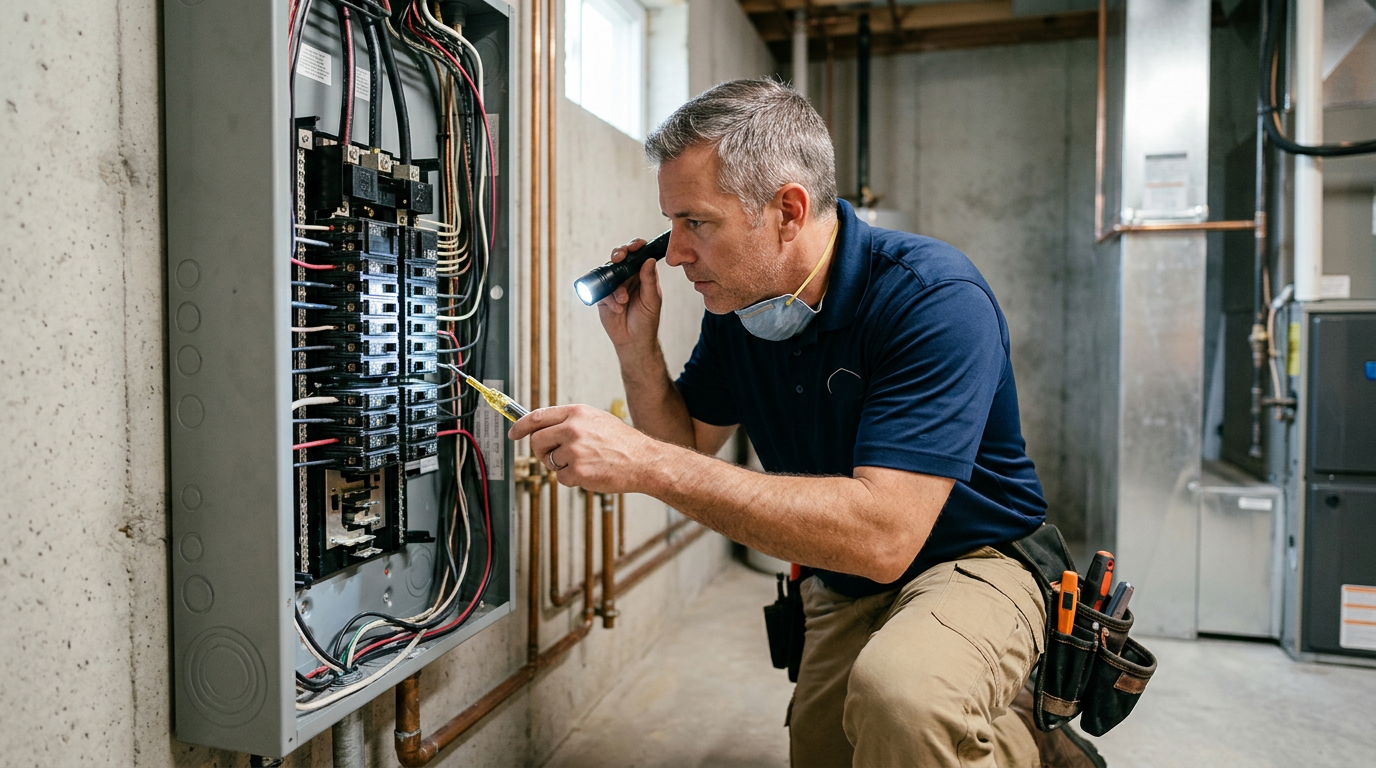
The electrical system is paramount for any home theater. High-definition displays, powerful amplifiers, and multiple peripheral devices demand significant, stable power. An inspector will look for:
- Dedicated Circuits: Ideally, high-draw components like amplifiers and projectors should be on dedicated circuits to prevent overloading. We check the electrical service panel for proper labeling and sufficient amperage.
- Wiring Integrity: Visible wiring (e.g., in unfinished basements or accessible attics) is inspected for proper gauge, insulation, and secure connections. We look for signs of amateur or unpermitted wiring, such as exposed splices, improper Romex routing, or lack of conduit where required.
- Receptacles/Outlets: We test accessible receptacles for proper grounding and polarity using a GFCI receptacle tester. In areas like basements or near wet bars often associated with home theaters, GFCI protection is crucial for safety. AFCI (Arc Fault Circuit Interrupter) protection may also be present and is designed to prevent electrical fires.
- Junction Boxes: All electrical connections must be enclosed in approved junction boxes with covers. Open junction boxes are a significant fire hazard.
- Overloaded Circuits: While not always evident during a static inspection, signs like frequently tripped breakers or excessive use of extension cords can indicate an overloaded circuit.
Structural Considerations
Modern home theater components, especially large flat-screen TVs and heavy speakers, can exert considerable weight. An inspector will assess:
- Wall Mounts: For wall-mounted televisions or speakers, we look for signs of improper installation, such as sagging, cracking around the mount, or visible stress on the wall material. While we cannot see inside walls, visible damage or inadequate mounting hardware are red flags.
- Floor Loading: In dedicated theater rooms, especially those with equipment racks, we consider the floor’s ability to support the concentrated weight. This is more of a visual assessment for deflection or structural issues in the floor system below, particularly in older homes or those with modified floor plans.
- Soundproofing Modifications: While not a defect, extensive soundproofing might involve structural modifications. We look for any visible signs of improper alterations that could compromise structural integrity.
HVAC and Ventilation
Electronics generate heat. Proper ventilation is essential to prevent overheating, which can shorten equipment lifespan and create uncomfortable conditions. An inspector will note:
- Adequate Airflow: We assess the general ventilation of the room. If the home theater is in an enclosed space, we consider whether the existing HVAC system can adequately cool the area, especially with multiple heat-generating devices.
- Moisture Control: In basement home theaters, moisture intrusion can be a significant concern. We use moisture meters to detect elevated moisture levels in walls or flooring, which can lead to mold growth and damage to electronics. Proper grading and drainage around the home’s exterior are critical to prevent basement moisture issues.
- Ductwork: We visually inspect accessible ductwork for proper connections and insulation, ensuring efficient heating and cooling to the space.
Safety and Accessibility
- Cable Management: While not a structural issue, excessive loose cabling can be a trip hazard and a fire risk if damaged. We note significant safety concerns.
- Access Panels: Ensure that access to electrical panels, plumbing shutoffs, or HVAC components is not obstructed by built-in cabinetry or equipment racks.
Common Defects and Red Flags
During a home inspection, several issues related to home theater infrastructure can be identified:
- Overloaded Circuits: Frequent tripping of circuit breakers indicates that the electrical demand exceeds the circuit’s capacity, posing a fire risk.
- Improper Wiring: This includes exposed wiring, unapproved splices (e.g., wire nuts outside a junction box), incorrect wire gauge for the circuit breaker, or lack of proper grounding. These are serious safety hazards.
- Damaged Receptacles: Loose, cracked, or non-functional outlets can be dangerous.
- Lack of GFCI/AFCI Protection: Especially in basements or areas near water, the absence of these safety devices is a red flag. For more details on GFCI, refer to our Complete Guide to Ground Fault Circuit Interrupter (GFCI) Outlets in Home Inspections.
- Structural Compromises: Visible cracks, bowing, or instability around wall mounts or in floor joists can indicate inadequate structural support.
- Inadequate Ventilation: A consistently hot, stuffy home theater room suggests poor airflow, which can damage electronics and lead to discomfort.
- Moisture Issues: Any signs of water stains, efflorescence on basement walls, or musty odors indicate moisture intrusion, which is detrimental to both the home and electronics.
Common Homeowner Mistakes That Obstruct Inspection
To ensure a thorough inspection of your home theater area, avoid these common mistakes:
- Blocking Electrical Panels: Ensure the electrical service panel has a clear working space (typically 30 inches wide and 36 inches deep) in front of it. Equipment racks or large furniture often obstruct this critical access.
- Inaccessible Outlets/Switches: While not always possible, try to ensure most outlets and switches are not completely hidden behind large, immovable furniture.
- Cluttered Spaces: Boxes, equipment, or personal belongings stacked against walls or in corners can prevent the inspector from visually assessing the structural integrity, looking for moisture, or checking receptacles.
- Unsecured Wiring: Leaving a tangle of wires behind equipment can be a safety hazard and makes it difficult to assess the underlying electrical connections.
- Not Disclosing DIY Work: If you’ve performed significant electrical or structural modifications for your home theater, it’s best to disclose this. Unpermitted or improperly executed DIY work is a common source of defects.
- Utilities Off: Ensure all utilities, especially electricity, are on and functioning. An inspector cannot properly evaluate electrical systems if power is off.
Repair Cost vs. Benefit & Negotiation Implications
Addressing home theater infrastructure issues before an inspection can significantly benefit sellers and provide clarity for buyers. Safety-related electrical defects (e.g., exposed wiring, overloaded circuits, lack of GFCI) are non-negotiable and must be addressed. Proactively repairing these issues:
- Improves Safety: The primary benefit is a safer home environment, reducing fire and shock hazards.
- Reduces Negotiation Points: Buyers are less likely to request credits or price reductions for issues that have already been professionally resolved.
- Enhances Property Value: A well-maintained and safe electrical system is a selling point.
- Avoids Delays: Major electrical or structural findings can delay closing as specialists are brought in for further evaluation and repair.
While cosmetic issues related to home theater setup are subjective, underlying infrastructure problems are objective defects. Fair and professional evaluation of these findings is key. For instance, upgrading an entire electrical panel for a single dedicated circuit might be a larger project, but ensuring existing circuits are safe and not overloaded is fundamental.
Printable Home Theater Infrastructure Inspection Checklist
This checklist provides actionable steps for homeowners to review their home theater area before an inspection or for general maintenance:
- Electrical Panel Access: Verify clear, unobstructed access (30″ wide x 36″ deep) in front of the main electrical service panel.
- Circuit Breaker Functionality: Test any dedicated circuit breakers for your home theater equipment by turning them off and on. Note any that trip frequently.
- Receptacle Testing: Use a simple plug-in tester to check accessible outlets in the home theater area for proper grounding and polarity. Test all GFCI receptacles monthly.
- Visible Wiring: Inspect all visible wiring for damage, fraying, exposed conductors, or improper splices. Ensure all junction boxes have covers.
- Extension Cord Use: Minimize the use of extension cords. If used, ensure they are rated for the load and not overloaded or run under carpets.
- Wall Mount Stability: Visually inspect wall-mounted TVs or speakers for any signs of sagging, cracks, or instability around the mounting points.
- Ventilation: Ensure air vents are not blocked by equipment or furniture. Consider if the room feels excessively warm when equipment is running.
- Moisture Check: In basement or below-grade home theaters, look for any signs of water stains, dampness, or musty odors on walls, floors, or ceilings.
- Access to Utilities: Confirm that no home theater components or built-ins block access to main water shutoffs, gas shutoffs, or HVAC filters/units.
- Clear Pathways: Ensure all pathways are clear of loose cables or equipment that could pose a trip hazard.
When to Call a Licensed Specialist
While a home inspector identifies deficiencies, they do not perform repairs or provide specific diagnoses that require specialized licensing. Here’s when to call a professional:
- Licensed Electrician: Any findings related to improper wiring, overloaded circuits, non-functional GFCI/AFCI, ungrounded outlets, or issues within the electrical service panel require immediate attention from a licensed electrician. They can assess the severity, ensure code compliance, and perform safe repairs or upgrades. For guidance on electrical safety, consult resources like the Consumer Product Safety Commission (CPSC).
- Structural Engineer/Contractor: If the inspector notes significant concerns about the structural integrity of walls or floors supporting heavy equipment, a structural engineer should be consulted for a detailed assessment and recommendations. A qualified general contractor can then implement any necessary reinforcements.
- HVAC Technician: If the home theater room consistently overheats or has poor airflow, an HVAC technician can evaluate the existing system’s capacity and suggest solutions like additional vents, ductwork modifications, or supplementary cooling.
- Water Intrusion Specialist/Plumber: Any signs of moisture intrusion in a basement home theater warrant investigation by a water intrusion specialist or a plumber to identify the source and implement appropriate waterproofing or drainage solutions. Proper exterior grading and drainage are often key preventative measures, as detailed in our Complete Guide to Exterior Grading and Drainage for Home Inspections.
Frequently Asked Questions (FAQ)
Q1: Does a home inspector test my home theater equipment?
No, a home inspector’s role is to evaluate the condition of the home’s major systems and components, not personal appliances or entertainment equipment. We will inspect the electrical outlets, wiring, and structural elements that support your home theater, but not the functionality of your TV, receiver, or speakers.
Q2: What are the biggest safety concerns for home theaters during an inspection?
The primary safety concerns revolve around the electrical system: overloaded circuits, improper or ungrounded wiring, exposed electrical connections, and lack of GFCI/AFCI protection where required. Structural issues related to heavy wall mounts are also a concern.
Q3: Should I install dedicated circuits for my home theater?
For high-end home theaters with powerful amplifiers, multiple screens, and other high-draw electronics, dedicated circuits are highly recommended. This prevents circuit overloads, ensures stable power delivery, and reduces the risk of electrical issues. A licensed electrician can advise on the best approach.
Q4: How can I prepare my home theater for an inspection?
Ensure clear access to the electrical panel, main utility shutoffs, and any visible wiring or structural elements. Tidy up loose cables to prevent trip hazards and allow the inspector to move freely. If possible, ensure outlets are not completely obscured by large, immovable furniture.
Q5: Will an inspector check for soundproofing quality?
No, soundproofing quality is a performance characteristic and not part of a standard home inspection. However, an inspector will note any visible structural modifications made for soundproofing to ensure they were done safely and do not compromise the home’s integrity.
Official Reference: For additional context, consult InterNACHI home inspection guidance.