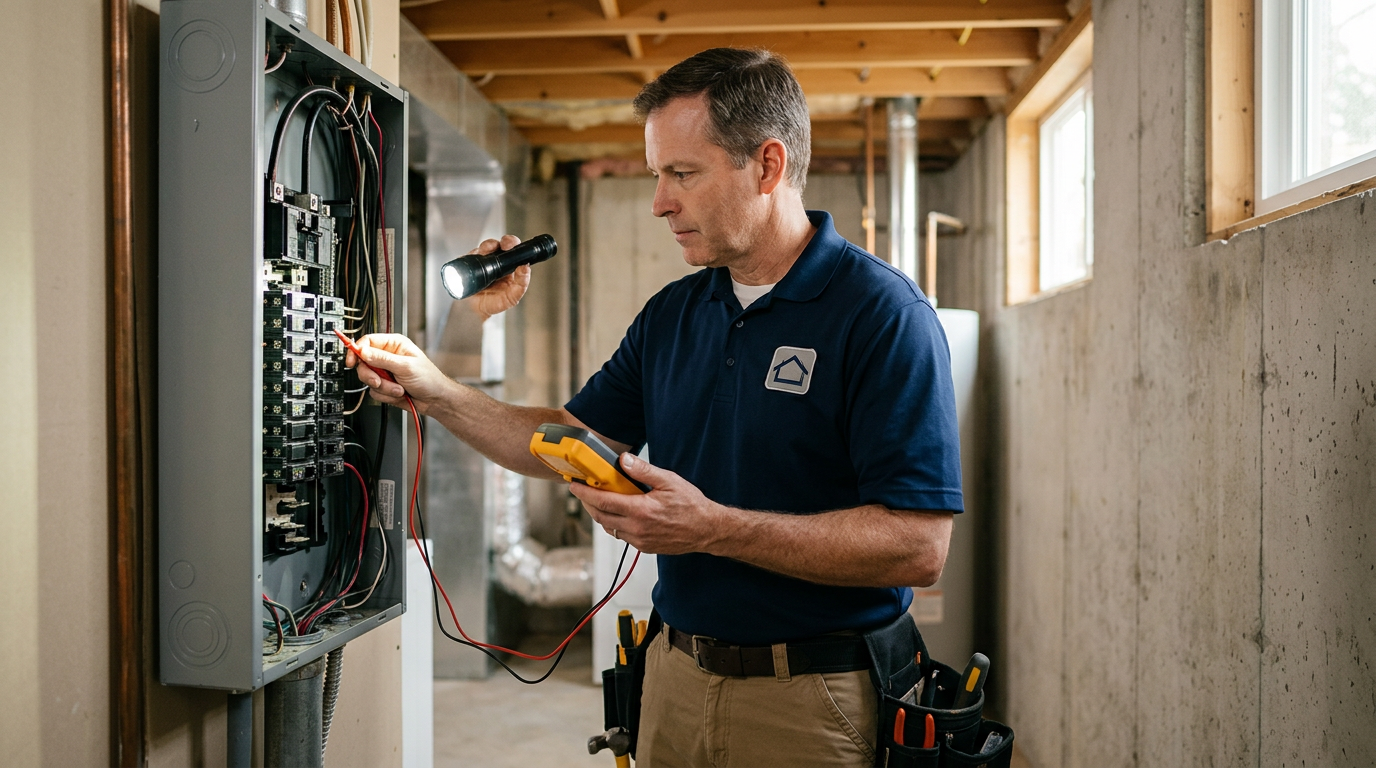
When buying or selling a home, the phrase ‘home inspection’ often comes with a mix of anticipation and apprehension. Far from being a pass/fail test, a professional home inspection is a non-invasive, visual examination of the accessible systems and components of a residential property. Its primary purpose is to provide an objective, expert opinion on the current condition of the home at the time of inspection, identifying significant defects or conditions that could impact safety, function, or value. For prospective buyers, it’s an invaluable tool for informed decision-making; for sellers, it’s an opportunity to address issues proactively and present a well-maintained property. Complete Guide to how to clean houseAdd tag Complete Guide to Lenigh Panel Inspection: What Home Inspectors Look For Smoke Detector Essentials: A Home Inspector’s Guide to Safety and Functionality
At SDHomeInspect.com, we believe in empowering homeowners, buyers, sellers, and real estate professionals with comprehensive knowledge. This guide delves deep into the world of home inspectors, explaining their role, what they meticulously examine, the practical logic behind their observations, and how their findings translate into actionable steps for you.
What Does a Home Inspector Actually Do? The Scope of Work
A certified home inspector adheres to a strict ‘Standards of Practice’ (SOP), such as those set forth by the International Association of Certified Home Inspectors (InterNACHI) or the American Society of Home Inspectors (ASHI). These standards define the minimum requirements for a home inspection, ensuring consistency and professionalism. The inspection is a visual assessment, meaning the inspector will not dismantle systems, move personal property, or perform destructive testing. Instead, they observe and report on the readily accessible components of the home.
Key Systems and Components Examined:
- Structural Components: Foundation, framing (visible portions), floors, walls, ceilings, and roof structure. The inspector looks for signs of settlement, cracking, or bowing that could indicate structural compromise.
- Exterior: Siding, trim, windows, doors, decks, driveways, walkways, and the overall grading and drainage around the foundation. Proper exterior grading and drainage are critical to prevent moisture intrusion.
- Roofing: The roof covering materials, flashing, skylights, chimneys, and the gutter system. Inspectors assess the general condition, signs of leaks, and the estimated remaining lifespan of the roof.
- Plumbing System: Visible water supply lines, drain, waste, and vent pipes, water heater, fixtures, and functional flow and drainage at sinks, tubs, and toilets. The location and accessibility of the main plumbing shutoffs are also noted.
- Electrical System: The main electrical service panel (visible components), branch circuit wiring (visible portions), outlets, switches, and light fixtures. This includes testing a representative number of GFCI (Ground Fault Circuit Interrupter) receptacles/outlets and AFCI (Arc Fault Circuit Interrupter) breakers where present.
- Heating, Ventilation, and Air Conditioning (HVAC): The heating and cooling equipment, distribution systems (ductwork), and thermostats. Operational checks are performed to ensure basic functionality.
- Interior: Walls, ceilings, floors, doors, windows, and built-in appliances like ovens and dishwashers.
- Insulation and Ventilation: In accessible attics and crawlspaces, inspectors evaluate the type and amount of attic insulation, as well as the ventilation systems.
- Fireplaces and Solid Fuel Burning Appliances: Visible components of fireplaces, chimneys, and flues.
It’s crucial to understand that an inspection is a snapshot in time. It identifies existing conditions, not future performance. Inspectors do not offer warranties or guarantees, nor do they perform code compliance inspections (which are typically done by municipal building departments) or engineering analyses.
The Inspector’s Toolkit: Technical Considerations and Practical Evaluation
Beyond a keen eye, modern home inspectors utilize specialized tools and a deep understanding of building science to provide a thorough assessment.
Moisture Intrusion Detection
Moisture is the enemy of a home. Inspectors use moisture meters to detect elevated moisture levels in walls, ceilings, and floors, even when visible signs like water stains or efflorescence (a powdery residue left by salt deposits after water evaporates) are subtle or absent. This is critical for identifying potential leaks, condensation issues, or areas prone to mold growth. They also pay close attention to exterior grading and drainage, ensuring that ground slopes away from the foundation and that gutters and downspouts effectively divert rainwater.
Electrical System Safety
The electrical service panel is a central point of inspection. Inspectors look for proper wiring, correct breaker sizing, signs of overheating, and the presence of double-tapped breakers. They test GFCI and AFCI devices for proper operation, which are crucial safety features designed to prevent electrical shock and fires. Outdated wiring materials, such as aluminum branch circuit wiring (common in homes built between 1965 and 1973), are noted due to their potential fire hazards.
HVAC System Performance
Inspectors operate the HVAC system through a normal cycle, observing airflow, temperature differentials, and unusual noises. They check the condition of the furnace, air conditioner, and heat pump units, noting their age, visible leaks, and the condition of filters and accessible ductwork. While they don’t perform in-depth diagnostics, they can identify signs of deferred maintenance or impending failure.
Plumbing System Integrity
Functional flow and drainage are tested at all accessible fixtures. Inspectors look for active leaks under sinks, around toilets, and at the water heater. They assess water pressure and the condition of visible pipes, noting any signs of corrosion or improper materials. The water heater’s age, capacity, and safety features (like the temperature and pressure relief valve and proper discharge piping) are also evaluated.
Roofing System Durability
A thorough roof inspection involves assessing the condition of the roof covering (shingles, tiles, metal), the integrity of roof flashing around penetrations (chimneys, vents, skylights), and the effectiveness of the gutter system. They look for signs of wear, damage, missing components, and proper ventilation, which is crucial for preventing heat and moisture buildup in the attic.
Attic and Crawlspace Evaluation
These often-overlooked areas are critical indicators of a home’s health. Inspectors evaluate attic insulation levels, ventilation, and look for signs of moisture intrusion, pest activity, or structural issues in the framing. In crawlspaces, they check for standing water, excessive moisture, foundation issues, wood rot, and proper ventilation.
Common Defects and Red Flags: What They Mean and Why They Matter
Identifying defects is a core function of a home inspector. Understanding what these findings indicate is key to evaluating their significance.
- Moisture Intrusion: Water stains on ceilings or walls, efflorescence on basement walls, or elevated moisture readings indicate a leak or drainage issue. This can lead to structural damage, mold growth (mold removal and inspection findings), and indoor air quality problems.
- Electrical Hazards: Uncovered junction boxes, exposed wiring, overloaded circuits, ungrounded outlets in wet areas, or non-functional GFCI/AFCI devices are serious safety concerns that pose risks of shock or fire.
- HVAC Malfunctions: A furnace that doesn’t ignite, an AC unit that doesn’t cool, or unusual noises can indicate a need for costly repairs or replacement. Carbon monoxide leaks from gas furnaces are a silent, deadly threat.
- Plumbing Problems: Active leaks, low water pressure throughout the home, or slow drains can point to pipe corrosion, blockages, or issues with the main water supply. An improperly installed water heater relief valve can be a safety hazard.
- Roofing Deficiencies: Missing, cracked, or curled shingles, damaged flashing, or clogged gutters can lead to water penetration, wood rot, and interior damage.
- Structural Concerns: Large cracks in the foundation, significant sagging in floors or rooflines, or evidence of wood-destroying organisms (termites, carpenter ants) suggest potentially expensive structural repairs.
- Radon: While not part of a standard visual inspection, radon testing is a common ancillary service. Elevated radon levels, as outlined by the EPA, are a significant health risk and require mitigation.
Each red flag signals a potential issue that warrants further investigation by a qualified specialist.
Common Homeowner Mistakes That Obstruct an Inspection
For sellers, preparing your home for inspection is crucial for a smooth process and a comprehensive report. Common mistakes can hinder the inspector’s ability to perform their job thoroughly, potentially leading to call-backs or incomplete information.
- Locked Access Points: Electrical service panels, attic hatches, crawlspace entrances, or utility closets that are locked or inaccessible prevent the inspector from evaluating critical systems.
- Blocked Access: Storing boxes, furniture, or personal items against basement walls, in front of the furnace or water heater, or around the electrical panel makes these areas impossible to inspect.
- Utilities Turned Off: Gas, water, or electricity must be on and functional for the inspector to test appliances, plumbing fixtures, and HVAC systems.
- Pets Left Loose: For the safety of the inspector and your pets, ensure all animals are secured or removed from the property during the inspection.
- Cluttered Areas: Excessive clutter in storage areas, garages, or utility rooms can obscure issues or prevent access.
- Lack of Maintenance Records: While not strictly an obstruction, having service records for HVAC, roofing, or major appliances can provide valuable context to the inspector and potential buyers.
Repair Cost vs. Benefit & Negotiation: Strategic Implications of Inspection Findings
An inspection report is a powerful document in a real estate transaction. For sellers, addressing accessible problems before the inspection can significantly improve the property’s presentation, reduce the likelihood of extensive repair requests, and potentially lead to a smoother negotiation process. Proactive repairs demonstrate a commitment to maintenance and can instill buyer confidence.
For buyers, the report provides a detailed understanding of the home’s condition. It’s important to distinguish between minor maintenance items (e.g., a leaky faucet, a loose doorknob) and significant defects (e.g., a failing roof, structural concerns, major electrical hazards). While minor issues are often expected in any home, significant defects can be grounds for negotiation, asking for repairs, a price reduction, or a credit at closing. The goal is a fair and professional evaluation of the findings, not to nickel-and-dime the seller. The report empowers you to make an informed decision about the property’s value and future maintenance costs.
When to Call a Specialist: Beyond the Inspector’s Scope
A home inspector identifies issues and recommends further evaluation when a condition is beyond their expertise or the scope of a visual inspection. Here’s when to call a specialist:
- Structural Engineer: For significant foundation cracks, sagging floors, bowing walls, or other major structural concerns.
- Licensed Electrician: If the inspection report notes serious electrical hazards, outdated wiring (like knob-and-tube or aluminum branch wiring), or extensive issues with the service panel.
- Licensed Plumber: For persistent low water pressure, suspected sewer line issues, extensive pipe corrosion, or significant active leaks that require more than a simple repair.
- HVAC Technician: If the heating or cooling system is not functioning properly, is unusually old, or shows signs of significant wear or potential carbon monoxide leaks.
- Roofer: For detailed assessment of roof damage, leaks, or to get an accurate estimate for roof replacement or extensive repairs.
- Radon Professional: If radon testing reveals elevated levels, a certified radon mitigation specialist should be consulted.
- Mold Remediation Specialist: If significant mold growth is identified or suspected, especially if it’s in inaccessible areas.
Printable Home Inspection Checklist: Preparing for a Smooth Inspection
Use this checklist to ensure your home inspection is as thorough and efficient as possible, whether you’re buying or selling.
For Sellers (Before the Inspection):
- Ensure All Utilities Are On: Gas, water, and electricity must be active for testing.
- Provide Clear Access: Unlock and clear pathways to the electrical panel, furnace, water heater, attic hatch, and crawlspace.
- Clear Around Foundation: Remove debris, stored items, or dense vegetation from around the exterior foundation.
- Test All Appliances: Ensure built-in appliances (oven, dishwasher, microwave) are operational.
- Replace HVAC Filters: A clean filter allows for proper system operation during testing.
- Secure Pets: Crate or remove pets from the property to avoid distractions and ensure safety.
- Provide Documentation: Have service records, warranty information, and any past repair invoices readily available.
- Clear Sinks/Tubs: Ensure drains are clear and accessible for water flow testing.
- Check Light Bulbs: Replace any burnt-out bulbs so all light fixtures can be tested.
- Clean Gutters: Ensure gutters are free of debris to allow for proper drainage observation.
For Buyers (After Receiving the Report):
- Read the Report Thoroughly: Understand every finding, not just the summary.
- Prioritize Findings: Differentiate between minor maintenance, significant repairs, and safety hazards.
- Seek Clarification: Don’t hesitate to ask your inspector questions about anything unclear.
- Obtain Specialist Quotes: For major defects, get estimates from qualified contractors for repair or replacement costs.
- Consult Your Agent: Discuss negotiation strategies based on the report’s findings.
- Consider Ancillary Tests: If recommended (e.g., radon, sewer scope, pest inspection), arrange for these.
- Review Disclosure Statements: Compare inspection findings with seller disclosures.
Frequently Asked Questions (FAQs)
Q1: What does a home inspection NOT cover?
A home inspection is a visual, non-invasive examination. It does not cover areas that are inaccessible, concealed, or not permanently installed. It typically excludes cosmetic defects, code compliance, environmental hazards (beyond a visual observation for mold), pest infestations (unless an ancillary pest inspection is performed), and the interior of walls, ceilings, or underground systems like sewer lines. Inspectors also do not evaluate the value of the property or the cost of repairs.
Q2: Can a home ‘fail’ an inspection?
No, a home cannot ‘fail’ an inspection. An inspection is an objective report on the condition of the home, not a pass/fail grade. The report identifies existing defects or concerns, allowing buyers to make informed decisions. It’s up to the buyer and seller to negotiate any findings.
Q3: How long does a home inspection take?
The duration of a home inspection varies depending on the size, age, and condition of the property. On average, a typical inspection for a single-family home can take anywhere from 2 to 4 hours. Larger homes, older homes, or those with complex systems may take longer.
Q4: Should I be present during the inspection?
While not mandatory, it is highly recommended that buyers attend the inspection, especially towards the end. This allows you to walk through the property with the inspector, ask questions directly, and gain a clearer understanding of the findings and their implications. This visual context can be invaluable when reviewing the written report.
Q5: What’s the difference between a home inspection and an appraisal?
A home inspection assesses the physical condition of the property, identifying defects and safety concerns. An appraisal, on the other hand, determines the market value of the home for lending purposes. While an appraiser will note obvious deficiencies that impact value, their focus is not on the detailed condition assessment that a home inspector provides.
Official Reference: For additional context, consult InterNACHI home inspection guidance.