Insulation is a critical component of your home’s thermal envelope, playing a vital role in maintaining comfortable indoor temperatures and reducing energy consumption. For American homeowners, buyers, sellers, and real estate professionals, understanding the different types of insulation, what to look for during an inspection, and how to maintain it is essential for a well-performing and energy-efficient home.
What Are the Main Types of Insulation and Their Purpose?
Insulation primarily works by resisting heat flow, measured by its R-value (thermal resistance). A higher R-value indicates greater insulating power. Common insulation types found in US homes include:
- Fiberglass Batts and Rolls: The most common type, made from spun glass fibers. Available in pre-cut batts for standard stud/joist spacing or rolls for continuous coverage. Often found in attics, walls, and floors.
- Loose-Fill Insulation: Consists of small particles blown into cavities or attics. Materials include fiberglass, cellulose (recycled paper products, often treated for fire resistance), and mineral wool. Ideal for irregular spaces, existing wall cavities, or adding R-value to attics.
- Spray Foam Insulation: Applied as a liquid that expands and hardens, creating an airtight seal. Two main types are open-cell (softer, lower R-value per inch) and closed-cell (denser, higher R-value per inch, also acts as a vapor barrier). Excellent for air sealing and insulating hard-to-reach areas.
- Rigid Foam Boards: Panels made from materials like expanded polystyrene (EPS), extruded polystyrene (XPS), or polyisocyanurate (polyiso). Used for insulating exterior walls, foundations, and sometimes roofs. Offers high R-value per inch and can provide structural rigidity.
- Mineral Wool (Rock Wool or Slag Wool): Made from natural minerals or recycled industrial waste. Offers good fire resistance and sound dampening properties. Available in batts or loose-fill.
Each type has specific applications and performance characteristics, impacting a home’s overall energy efficiency and comfort.
Home Inspection Considerations for Insulation
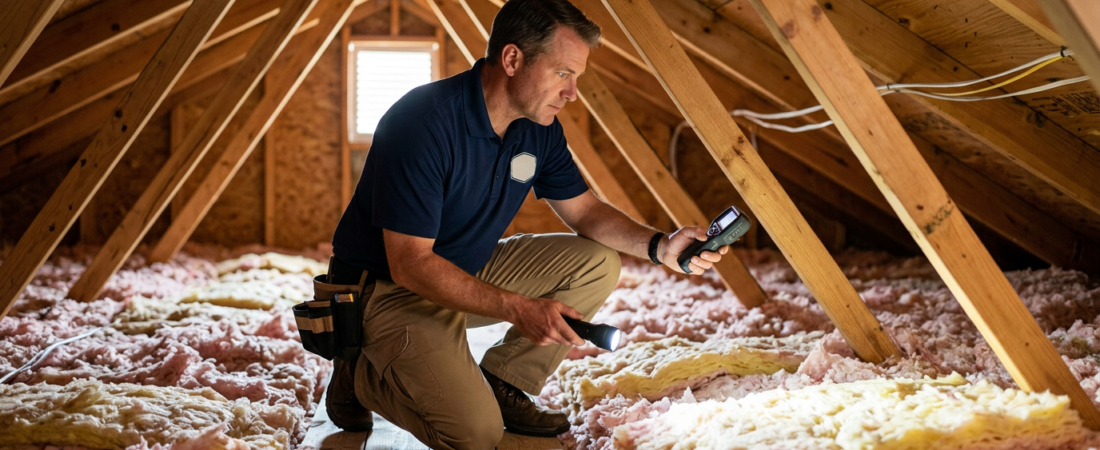
During a home inspection, an inspector evaluates the insulation to identify its type, condition, and adequacy. Key areas of focus include:
- Presence and Adequacy: Is insulation present in all appropriate areas (attic, walls, floors, crawl spaces)? Is the depth or R-value sufficient for the climate zone, as recommended by the U.S. Department of Energy?
- Condition: Inspectors look for signs of damage such as compression (which reduces R-value), moisture staining, mold growth, or pest infestations (rodents, insects).
- Proper Installation: This includes checking for gaps, voids, or areas where insulation is missing. Proper air sealing around penetrations (pipes, wires, vents) is crucial, as insulation alone doesn’t stop air leakage.
- Ventilation Clearances: In attics, insulation should not block soffit vents, which are essential for attic ventilation and preventing moisture buildup. Baffles should be in place to maintain airflow.
- Safety Concerns: Identification of potentially hazardous materials like vermiculite insulation (which may contain asbestos) or insulation too close to heat sources (e.g., recessed lighting, chimneys, exhaust flues).
- Vapor Barriers: Assessment of whether a vapor barrier is present and correctly installed, especially in humid climates or specific applications, to prevent moisture migration.
The inspector’s report will detail findings, noting deficiencies and recommending further evaluation or repair where necessary.
Homeowner’s Practical Evaluation Checklist
While a professional home inspection is thorough, homeowners can perform periodic checks:
- Attic Access: Safely access your attic (if possible) to visually inspect the insulation.
- Depth and Uniformity: Is the insulation depth consistent across the entire attic floor? Are there bare spots or areas with significantly less insulation?
- Signs of Moisture: Look for water stains, discoloration, or a musty odor, which can indicate roof leaks or condensation issues.
- Pest Activity: Check for rodent droppings, nests, or tunnels within the insulation.
- Blocked Vents: Ensure that insulation isn’t covering soffit vents or blocking attic ventilation.
- Compressed Areas: Identify areas where insulation is matted down or compressed, as this reduces its effectiveness.
- Drafts: Feel for drafts around electrical outlets, windows, and doors, which might indicate inadequate wall insulation or air sealing.
Common Defects and Inspection Findings
Home inspectors frequently encounter several insulation-related issues:
- Inadequate R-value: Many older homes have insufficient insulation for modern energy standards, leading to high utility bills.
- Gaps and Voids: Poorly installed batts or shifting loose-fill can leave uninsulated areas, creating thermal bridges.
- Moisture Damage: Leaky roofs, plumbing issues, or poor ventilation can saturate insulation, leading to mold, mildew, and a significant loss of R-value.
- Pest Infestation: Rodents, birds, and insects often nest in insulation, compressing it, leaving waste, and potentially spreading pathogens.
- Compressed Insulation: Foot traffic, storage, or improper installation can compress insulation, severely reducing its effectiveness.
- Blocked Ventilation: Insulation blocking soffit or ridge vents can lead to attic moisture buildup and premature roof deterioration.
- Missing Air Sealing: Even with adequate insulation, air leaks around penetrations and gaps can significantly compromise energy efficiency.
- Vermiculite Insulation: The presence of vermiculite insulation, particularly from the Libby, Montana mine, is a concern due to potential asbestos content.
Repair and Maintenance Considerations
Addressing insulation issues can significantly improve home comfort and energy efficiency:
- Adding Insulation: Often the most cost-effective upgrade, especially in attics. Loose-fill can be blown over existing insulation to increase R-value.
- Air Sealing: Before adding insulation, seal air leaks in the attic, crawl space, and around windows/doors. This is crucial for maximizing insulation’s effectiveness.
- Replacing Damaged Insulation: Insulation affected by moisture, mold, or pests should be removed and replaced after the underlying issue is resolved.
- Ventilation Improvements: Ensure proper attic ventilation by clearing blocked soffit vents and installing baffles.
- Pest Control: Address pest infestations and seal entry points before repairing or replacing insulation.
Estimated Repair Costs for Common Insulation Issues
Please note that these are general estimates and actual costs can vary widely based on location, material choices, and the complexity of the job. Always obtain multiple quotes from qualified professionals.
| Repair/Upgrade | Estimated Cost Range (US Dollars) |
|---|---|
| Adding attic insulation (blown-in, per sq ft) | $1.00 – $3.00 |
| Replacing attic insulation (per sq ft) | $2.00 – $7.00 (includes removal) |
| Air sealing attic (average home) | $500 – $2,000 |
| Crawl space insulation replacement (per sq ft) | $3.00 – $8.00 |
| Spray foam insulation (per sq ft, 1-inch depth) | $1.50 – $5.00 |
| Removing vermiculite insulation (per sq ft) | $10.00 – $50.00+ (specialized abatement) |
When to Call a Specialist
While some insulation tasks are DIY-friendly, certain situations warrant professional expertise:
- Suspected Asbestos: If you have vermiculite insulation, do not disturb it. Contact a qualified asbestos abatement professional for testing and removal.
- Extensive Mold Growth: Large areas of mold on insulation or structural components require professional remediation to ensure safe removal and address the moisture source.
- Persistent Moisture Issues: If you can’t identify or resolve the source of moisture affecting your insulation, a roofing contractor, plumber, or building envelope specialist should be consulted.
- Complex Air Sealing: Sealing a home’s thermal envelope effectively often requires specialized knowledge and equipment.
- HVAC Performance Problems: If your home remains uncomfortable despite seemingly adequate insulation, an HVAC professional or energy auditor can diagnose underlying issues.
- Major Insulation Projects: Installing spray foam or large-scale re-insulation projects are best left to experienced contractors.
Frequently Asked Questions About Home Insulation
What is R-value and why is it important?
R-value is a measure of thermal resistance, indicating how well an insulating material resists heat flow. A higher R-value means better insulating performance. It’s important because it directly impacts your home’s energy efficiency and comfort, helping to keep heat in during winter and out during summer.
How much insulation do I need in my attic?
The recommended R-value for attic insulation varies by climate zone. In many parts of the US, recommended attic R-values range from R-38 to R-60. You can find specific recommendations for your region on the U.S. Department of Energy’s website.
Can I add new insulation over old insulation?
In most cases, yes, you can add new insulation over existing insulation, especially in attics, as long as the old insulation is dry, free of mold, and not heavily contaminated by pests. However, it’s crucial to address any underlying issues like moisture or pest infestations before adding new layers.
Is old insulation dangerous?
Some older insulation materials can pose health risks. Vermiculite insulation, particularly from the Libby, Montana mine, may contain asbestos. Additionally, insulation contaminated with mold, mildew, or pest droppings can affect indoor air quality. If you suspect hazardous materials, consult a specialist.
How often should I have my home’s insulation checked?
It’s a good practice to have your insulation evaluated during a comprehensive home inspection, especially when buying or selling a home. For homeowners, a visual check of accessible areas like the attic every few years, or if you notice unexplained increases in energy bills or comfort issues, is advisable.
Related Home Inspection Guide: Complete Guide to Smoke Detectors: Inspection, Maintenance, and Safety