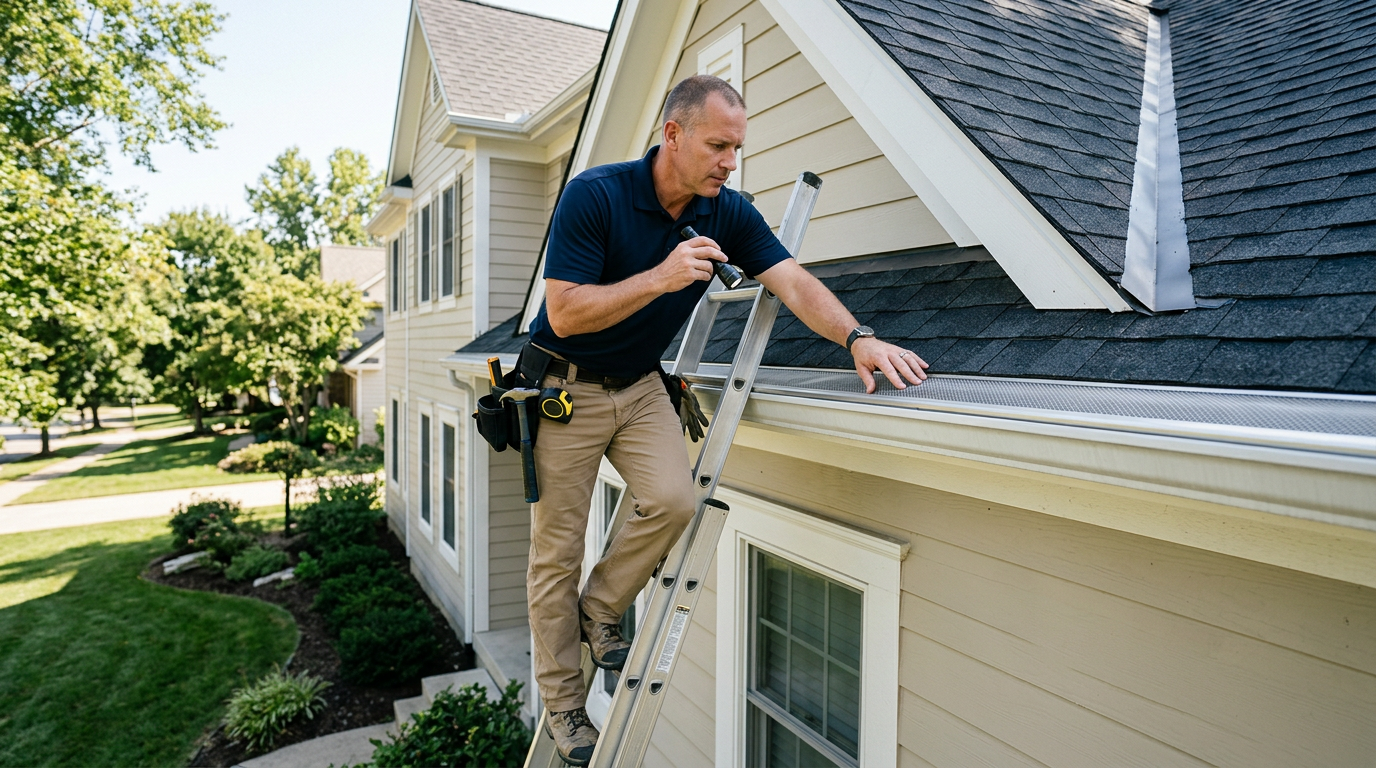
Gutter guards, when properly installed, serve as a crucial line of defense against water intrusion and its associated damage to a home’s foundation, landscaping, and structural integrity. Their primary function is to prevent debris like leaves, twigs, and shingle grit from clogging gutters and downspouts, thereby ensuring rainwater is efficiently diverted away from the property. For homeowners, prospective buyers, and real estate professionals, understanding the nuances of gutter guard installation and its implications during a home inspection is paramount. This guide will delve into the practical inspection logic, technical considerations, red flags, and homeowner responsibilities surrounding gutter guard systems.
The Inspector’s Lens: What We Look For in Gutter Guard Installation
A professional home inspector evaluates gutter guard installations not just for their presence, but for their effectiveness and potential impact on the entire exterior water management system. The goal is to identify conditions that could lead to moisture intrusion, structural damage, or premature wear of roofing and siding components. Here’s a breakdown of key inspection points:
1. Type and Compatibility
Various types of gutter guards exist, including mesh screens, reverse curve (surface tension) systems, fine micro-mesh, and foam inserts. An inspector will assess if the chosen type is appropriate for the local climate, tree coverage, and roof type. For example, fine mesh guards are excellent for small debris but can sometimes ‘silt up’ with shingle granules, while reverse curve systems may struggle with heavy rainfall or pine needles. Compatibility with existing gutters and roofing materials is also crucial; some guards can interfere with roof flashing or lift shingles, potentially voiding roof warranties or creating new points of water entry.
2. Installation Quality and Securement
The manner in which gutter guards are installed directly impacts their performance and longevity. Inspectors look for:
- Secure Attachment: Guards should be firmly attached to the gutters without excessive gaps or loose sections. Poorly secured guards can dislodge in high winds or heavy rain, rendering them ineffective and potentially causing damage.
- Proper Slope: While gutters themselves require a slight slope towards downspouts, gutter guards should not impede this flow. Improperly installed guards can create flat spots where water pools or debris collects.
- No Interference with Roofing: Guards should not be installed under the first course of shingles in a way that lifts them, as this can create a capillary action that draws water under the shingles, leading to roof deck rot or attic insulation damage. They should also not block the natural flow of water off the roof edge.
- Seamless Integration: The guards should integrate smoothly with downspout openings and corner sections, preventing bypass points where debris can still enter.
3. Debris Accumulation and Water Flow
Even with guards, some maintenance is usually required. Inspectors observe:
- Debris on Top: While guards prevent debris from entering the gutter, they don’t eliminate it entirely. Excessive debris accumulating on top of the guards indicates either an ineffective guard type for the environment or a lack of maintenance. This can lead to water overflowing the gutters.
- Signs of Overflow: Staining on fascia boards, siding, or foundation walls directly below gutters, as well as eroded landscaping, are clear indicators that the gutter system, even with guards, is overflowing. This suggests the guards are clogged, improperly installed, or the system is undersized for the roof area.
- Downspout Functionality: Even if guards are clear, downspouts must be free-flowing and direct water away from the foundation. Inspectors check for proper extensions and discharge points.
Common Defects, Red Flags, and Their Implications
During an inspection, several issues related to gutter guard installation can signal underlying problems:
- Guards Lifting Shingles: A significant red flag. This can compromise the roof’s weatherproofing, leading to moisture intrusion into the attic or wall cavities. This often requires professional repair by a qualified roofer.
- Overflowing Gutters with Guards: Indicates the guards are clogged, the system is overwhelmed, or the guards themselves are poorly designed/installed, preventing water from entering the gutter effectively. This can lead to fascia rot, foundation issues, and basement/crawlspace water problems.
- Sagging Gutters: While not always directly related to guards, heavy debris accumulation on top of ineffective guards can add significant weight, causing gutters to pull away from the fascia. This compromises the entire system.
- Rust or Corrosion: Especially with metal guards, rust can indicate material incompatibility or poor quality, leading to premature failure.
- Gaps or Openings: Any significant gaps between the guards and the roof edge or between guard sections allow debris and pests to enter the gutters, defeating their purpose.
Homeowner Preparation and Common Mistakes
Homeowners can significantly aid the inspection process and ensure an accurate assessment of their gutter guard system:
Common Homeowner Mistakes:
- Neglecting Maintenance: Believing gutter guards eliminate all maintenance is a common misconception. While they reduce it, guards still require occasional cleaning to remove accumulated debris from their surface.
- DIY Installation Errors: Improperly installed guards can do more harm than good, leading to lifted shingles, inadequate water flow, or damage to the gutters themselves.
- Choosing the Wrong Type: Selecting guards based solely on price or aesthetics without considering roof type, tree coverage, and rainfall patterns can lead to ineffective performance.
- Blocking Access: Ensure clear access to the exterior of the home, especially around the foundation and under the eaves. Remove any obstructions that might prevent the inspector from safely viewing the gutters and downspouts.
- Ignoring Warning Signs: Overlooking dripping gutters, stained siding, or eroded soil near the foundation can allow minor issues to escalate into costly repairs.
Repair Cost vs. Benefit & Negotiation Implications
Addressing gutter guard issues before a home inspection can significantly benefit sellers. A well-maintained and properly functioning gutter system, including effective guards, signals to prospective buyers that the home has been cared for and reduces concerns about potential water damage. Conversely, visible issues like overflowing gutters, damaged fascia, or signs of foundation moisture due to faulty gutter guards will be noted in the inspection report and can become significant negotiation points.
While the cost of repairing or replacing gutter guards might seem like an upfront expense, it pales in comparison to the potential costs of repairing water-damaged fascia, soffits, siding, foundation cracks, or basement/crawlspace moisture issues. Proactive maintenance and repair demonstrate due diligence and can prevent requests for credits or price reductions during negotiations. An InterNACHI guide on gutters and downspouts emphasizes their critical role in home protection.
Repair and Specialist Guidance
When defects are identified, the appropriate specialist should be consulted:
- Gutter Specialist/Contractor: For issues with the guards themselves, such as poor fit, loose sections, or replacement. They can also address gutter repairs like re-sloping or re-securing.
- Roofer: If gutter guards have been installed in a way that damages or compromises the roof shingles, flashing, or roof deck.
- General Contractor/Waterproofing Specialist: If improper gutter guard installation has led to significant water damage to fascia, soffits, siding, or foundation, a broader assessment and repair plan may be necessary.
- Landscaper/Drainage Expert: If the issue is related to poor grading and drainage around the foundation, even with functional gutters and guards.
Always seek estimates from licensed and insured professionals. For general residential construction standards, the International Code Council (ICC) provides model building codes that often inform local regulations, including those related to exterior water management.
Printable Home Inspection Checklist: Gutter Guard Evaluation
Use this checklist to assess your gutter guards before an inspection or as part of your regular home maintenance routine:
- Visual Inspection from Ground Level: Look for obvious signs of overflowing water, debris accumulation on top of guards, or sagging gutters.
- Check for Stains: Examine fascia boards, siding, and foundation walls for water stains or streaks, indicating overflow.
- Observe Downspouts: Ensure downspouts are clear, securely attached, and extend at least 4-6 feet away from the foundation.
- Inspect for Gaps: Look for any noticeable gaps between guard sections, between guards and the roof edge, or where guards meet downspouts.
- Assess Roof Shingle Interaction: From a safe vantage point (or with binoculars), check if guards are lifting or damaging the bottom edge of roof shingles.
- Test Water Flow (if safe): During a rain event, observe if water flows smoothly into the gutters and through downspouts, or if it cascades over the guards.
- Clear Debris: Safely remove any accumulated leaves, twigs, or other debris from the top of the gutter guards.
- Check for Loose Sections: Gently test if any sections of the gutter guards are loose or easily dislodged.
- Inspect for Rust/Corrosion: Look for any signs of rust or deterioration on metal guards.
- Review Installation Documentation: If available, check the manufacturer’s installation guidelines to ensure your guards were installed correctly.
Frequently Asked Questions (FAQs)
- 1. Are gutter guards truly maintenance-free?
- No. While they significantly reduce the frequency of gutter cleaning, no gutter guard system is entirely maintenance-free. Debris can still accumulate on top of the guards, especially fine shingle grit or small seeds, requiring occasional clearing to maintain optimal performance.
- 2. Can gutter guards cause roof damage?
- Yes, if improperly installed. Guards that are tucked too far under shingles or that lift the shingle courses can create pathways for water to get under the roof, leading to rot, leaks, and potential voiding of roof warranties. Always ensure professional installation that respects roof integrity.
- 3. What type of gutter guard is best?
- The ‘best’ type depends on your specific environment (e.g., type of trees, rainfall intensity) and budget. Micro-mesh guards are generally highly effective against small debris but can be more expensive. Reverse curve systems work well for larger debris but may struggle with heavy rain. A local gutter specialist can recommend the most suitable option for your home.
- 4. How do I know if my gutter guards are failing?
- Common signs of failure include water overflowing the gutters during rain, visible debris accumulation on top of the guards, water stains on fascia or siding, erosion of landscaping near the foundation, or water in the basement/crawlspace after rain. These indicate the system is not effectively diverting water.
- 5. Do home inspectors test gutter guards?
- Home inspectors visually inspect gutter guards from the ground level or from the roof edge if safely accessible. They will note their presence, type, apparent condition, and any visible defects or signs of improper installation or performance (e.g., overflowing gutters). They do not typically perform destructive testing or disassemble the guards.
Related Home Inspection Guide: Complete Guide to Heating System Installation Inspections
Official Reference: For additional context, consult EPA home radon guidance.