When you search for ‘roaches how to get rid,’ the immediate thought is often about pest control products. However, from a home inspection perspective, the most effective long-term solution begins with understanding and eliminating the conditions that attract these resilient pests in the first place. A professional home inspection by SDHomeInspect.com doesn’t just look for visible roaches; it meticulously examines your home’s systems and structure for underlying issues that create an inviting habitat for them. Identifying and rectifying these conducive conditions is the foundational step to truly getting rid of roaches and preventing their return. Complete Guide to How to Get Rid of Gnats in the House: An Inspector’s Perspective on Moisture, Siding, and Home Health Complete Guide to How to Get Rid of Ants in the House: An Inspector’s Perspective on Siding and Moisture Management Complete Guide to how to clean houseAdd tag
The Home Inspector’s Role: Beyond Surface-Level Pest Identification
A home inspector’s primary objective regarding pests like roaches is not extermination, but rather the identification of conditions that are conducive to pest activity. This includes evaluating moisture sources, potential food access, harborage points, and entryways. These findings are critical because roaches, particularly species like the German cockroach, thrive in environments with readily available food, water, and warmth, often indicating deeper maintenance or structural deficiencies within a property.
What an Inspector Looks For: Practical Evaluation
Our inspection process is systematic and thorough, focusing on areas where roaches are most likely to congregate or where conditions support their presence:
- Moisture Sources: We meticulously check for active plumbing leaks under sinks, behind toilets, in laundry rooms, and within basements or crawlspaces. High humidity levels, often detected with moisture meters, can also be a significant attractant. We examine signs of moisture intrusion from the exterior, such as poor grading and drainage that directs water towards the foundation, or compromised roof flashing that could lead to leaks in attic spaces.
- Food and Debris: While sanitation is largely a homeowner’s responsibility, an inspector will note excessive food debris, grease buildup, or general clutter in kitchens and pantries that could serve as a food source.
- Harborage Points: Roaches seek dark, secluded areas. Inspectors look for cracks and crevices in walls, floors, and cabinetry, especially around utility penetrations (e.g., pipes, electrical conduits). Inaccessible areas like behind appliances, inside wall voids, or within cluttered basements and crawlspaces are prime suspects.
- Entry Points: We examine the building envelope for gaps around windows and doors, unsealed utility line penetrations, cracks in the foundation, and openings around vents or pipes that could serve as entry points from the exterior.
- Electrical Components: In severe infestations, roaches can be found inside electrical service panels, junction boxes, or behind GFCI receptacles/outlets, attracted by warmth. This is a significant red flag, as it can indicate a widespread problem and potential electrical hazard.
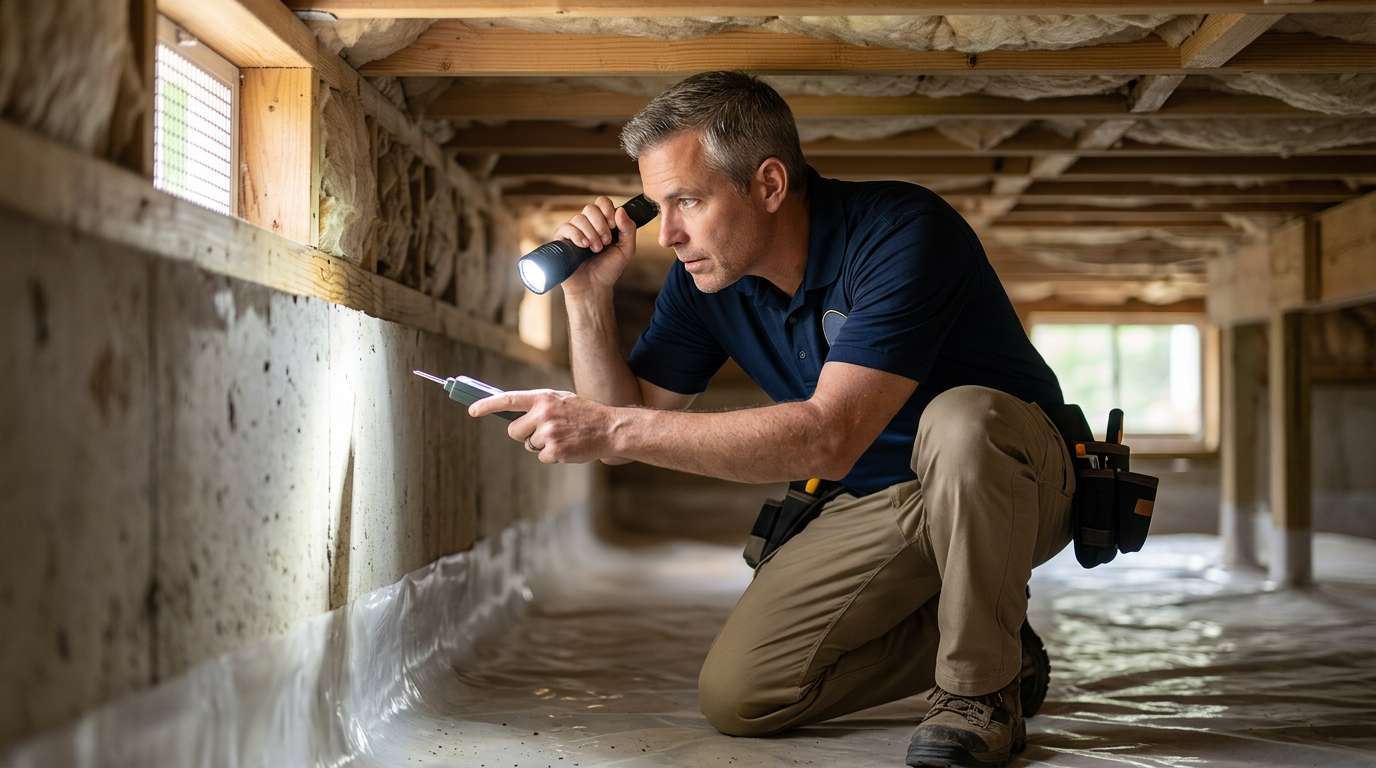
- Attics and Crawlspaces: These areas are inspected for signs of pest activity, disturbed or damp attic insulation, and moisture issues that could support roach populations.
Common Defects and Red Flags Indicating Roach Activity
Beyond seeing a live roach, several indicators signal a potential or active infestation:
- Visible Roaches: Live or dead roaches, especially during daylight hours, suggest a significant infestation.
- Roach Droppings: Small, dark specks resembling coffee grounds or black pepper, often found in cabinets, drawers, or behind appliances.
- Egg Casings (Oothecae): Small, capsule-shaped structures, typically dark brown, found in secluded areas.
- Shed Skins: Roaches shed their exoskeletons as they grow.
- Musty Odor: A distinct, unpleasant odor, particularly noticeable in enclosed spaces, can indicate a large roach population.
- Evidence of Moisture: Water stains on ceilings or walls, efflorescence on basement walls, condensation, or active leaks are major red flags, as moisture is essential for roach survival.
- Structural Gaps: Unsealed gaps around pipes, electrical conduits, or foundation cracks provide easy access and harborage.
Common Homeowner Mistakes That Obstruct Inspection and Exacerbate Roach Problems
Homeowners often unknowingly contribute to roach problems or hinder an effective inspection:
- Excessive Clutter: Piles of boxes, stored items against walls, or cluttered cabinets provide ideal hiding spots and make inspection difficult.
- Unaddressed Leaks: Ignoring minor drips or plumbing leaks creates consistent water sources for roaches.
- Poor Sanitation: Leaving food debris, unsealed food containers, or dirty dishes out provides a constant food supply.
- Blocked Access: Mechanical rooms, electrical panels, attic hatches, or crawlspace entries blocked by storage prevent a thorough inspection of critical areas where roaches may hide or where conducive conditions exist.
- Turning Off Utilities: While sometimes necessary for safety, turning off water or electricity can prevent the inspector from fully evaluating plumbing systems for leaks or checking for roach activity near electrical components.
Repair Cost vs. Benefit & Negotiation Implications
Addressing conditions conducive to roaches before a home inspection is a proactive step that can significantly benefit sellers and provide peace of mind for buyers. While the cost of sealing cracks, repairing plumbing leaks, or improving ventilation might seem like an upfront expense, it pales in comparison to the potential impact of a pest infestation finding during negotiations. Visible signs of roaches or conditions that clearly support them can lead to:
- Reduced Offer Price: Buyers may request significant price reductions to cover pest remediation and structural repairs.
- Repair Requests: Buyers will likely demand that all identified issues, including pest control and related repairs, be completed before closing.
- Delayed Closing: Arranging and completing repairs can push back closing dates.
- Loss of Buyer Confidence: Pest issues can raise concerns about the overall maintenance and health of the home, potentially causing a buyer to walk away.
By proactively mitigating these issues, sellers present a cleaner, healthier home, reducing the likelihood of contentious negotiations and demonstrating responsible homeownership. For buyers, understanding these findings allows for informed decisions and appropriate specialist consultations.
Repair & Specialist Guidance
Effectively addressing roach issues often requires a multi-pronged approach:
- Pest Control Specialist: For active infestations, a licensed pest control professional is essential for effective eradication. They can identify the specific species, apply appropriate treatments, and offer ongoing prevention strategies.
- Plumber: Any identified plumbing leaks, from dripping faucets to pipe corrosion, must be repaired promptly by a qualified plumber.
- General Contractor/Handyman: For sealing cracks in foundations, walls, or around utility penetrations, a general contractor or skilled handyman can ensure proper sealing and exclusion.
- HVAC Technician: If high indoor humidity is a contributing factor, an HVAC technician can assess and repair HVAC systems, improve ventilation, or recommend dehumidification solutions.
- Roofer: For roof leaks contributing to moisture intrusion, a professional roofer should be consulted to repair or replace damaged flashing, shingles, or other roofing components.
Printable Home Inspection Checklist: Addressing Roach-Conducive Conditions
Use this checklist to prepare your home for an inspection and proactively address conditions that attract roaches:
- Kitchen & Pantry:
- Clean up all food crumbs and spills immediately.
- Store food in airtight containers.
- Empty trash cans regularly and use lids.
- Clean behind and under appliances (refrigerator, stove, dishwasher).
- Check for and repair any leaky faucets or pipes under the sink.
- Seal any gaps or cracks around pipes entering walls or cabinets.
- Bathrooms & Laundry Rooms:
- Repair all leaky faucets, showerheads, and toilets.
- Ensure proper ventilation to reduce humidity (e.g., use exhaust fans).
- Seal gaps around plumbing penetrations in walls and floors.
- Keep laundry areas clean and dry.
- Basement & Crawlspace:
- Inspect for and repair any signs of moisture intrusion (water stains, efflorescence, standing water).
- Ensure proper ventilation and consider a dehumidifier if humidity is high.
- Remove any debris, stored items, or wood in direct contact with soil.
- Seal foundation cracks and gaps around utility lines.
- Ensure adequate crawlspace encapsulation or vapor barriers are intact.
- Exterior & Foundation:
- Ensure proper grading and drainage, sloping away from the foundation.
- Repair any cracks or openings in the foundation walls.
- Seal gaps around exterior utility penetrations (pipes, wires, vents).
- Trim back vegetation from the house perimeter.
- Ensure gutters and downspouts are clean and directing water away from the foundation.
- General Interior:
- Declutter all areas, especially storage rooms, closets, and utility spaces.
- Seal cracks and crevices in walls, floors, and baseboards.
- Ensure windows and doors have tight seals and screens are intact.
- Address any signs of water damage promptly.
- Provide clear access to all mechanical systems, electrical panels, attic hatches, and crawlspace entries for the inspector.
Frequently Asked Questions (FAQs)
Q1: Will a home inspector specifically look for roaches?
A1: While a home inspector will note visible signs of roaches or other pests, their primary focus is on identifying the environmental and structural conditions that are conducive to pest infestations, such as moisture issues, entry points, and harborage areas. They are not pest exterminators.
Q2: What if the inspector finds signs of roaches?
A2: If signs of roaches are found, the inspector will document these observations in the report and recommend further evaluation by a qualified pest control professional. They will also highlight any underlying issues (e.g., plumbing leaks, structural gaps) that contribute to the problem.
Q3: Can roaches cause damage to my home?
A3: Yes, beyond being a nuisance and health concern, severe roach infestations can damage food, packaging, fabrics, and even electrical wiring by chewing on insulation. Their droppings can also stain surfaces and contribute to unpleasant odors.
Q4: How important is addressing moisture for roach control?
A4: Extremely important. Roaches require water to survive, and even small leaks or areas of high humidity can sustain a large population. Eliminating moisture sources is one of the most critical steps in effective roach control and prevention.
Q5: Should I try to get rid of roaches myself before an inspection?
A5: While basic sanitation and minor repairs are always recommended, for an active infestation, it’s best to consult a professional pest control service. Attempting to hide a problem can lead to more significant issues later. An inspector’s findings, even if they include pests, provide valuable information for all parties involved in a real estate transaction.
Official Reference: For additional context, consult InterNACHI home inspection guidance.
Official Reference: For additional context, consult ASHI inspection standards and guidance.