When you spot ants marching across your kitchen counter or trailing along a baseboard, your first thought is likely ‘how to get rid of ants in the house.’ While immediate pest control measures are often necessary, a professional home inspector approaches this issue from a deeper, more diagnostic perspective. Ants, especially certain species like carpenter ants, are frequently a symptom of underlying conditions within your home’s structure, particularly related to moisture intrusion and compromised building envelopes, such as your home’s siding. Our role at SDHomeInspect.com is not to eradicate pests, but to identify the conditions that allow them to thrive and gain entry, enabling homeowners to address the root cause effectively. The Definitive Guide to Siding Replacement: Inspection, Evaluation, and Actionable Steps Complete Guide to Siding for House Inspection
This guide will illuminate how a thorough home inspection evaluates the integrity of your home’s exterior, focusing on siding, grading, and drainage, to pinpoint vulnerabilities that attract ants. Understanding these connections is crucial for long-term pest management and maintaining your home’s structural health.
Beyond the Trail: What a Home Inspector Looks For
A home inspector’s observation of ants goes beyond merely noting their presence. We are trained to look for ‘conducive conditions’ – environmental factors or structural deficiencies that make a home attractive to pests. When ants are observed, especially in specific patterns or locations, it triggers a more detailed investigation into potential entry points and harborage areas.
- Visible Ant Activity: While we don’t perform pest inspections, we document any visible ant trails, mounds, or activity. The location of these sightings can be highly informative. For instance, ants consistently appearing near a window frame or a specific section of siding might indicate a moisture issue in that area.
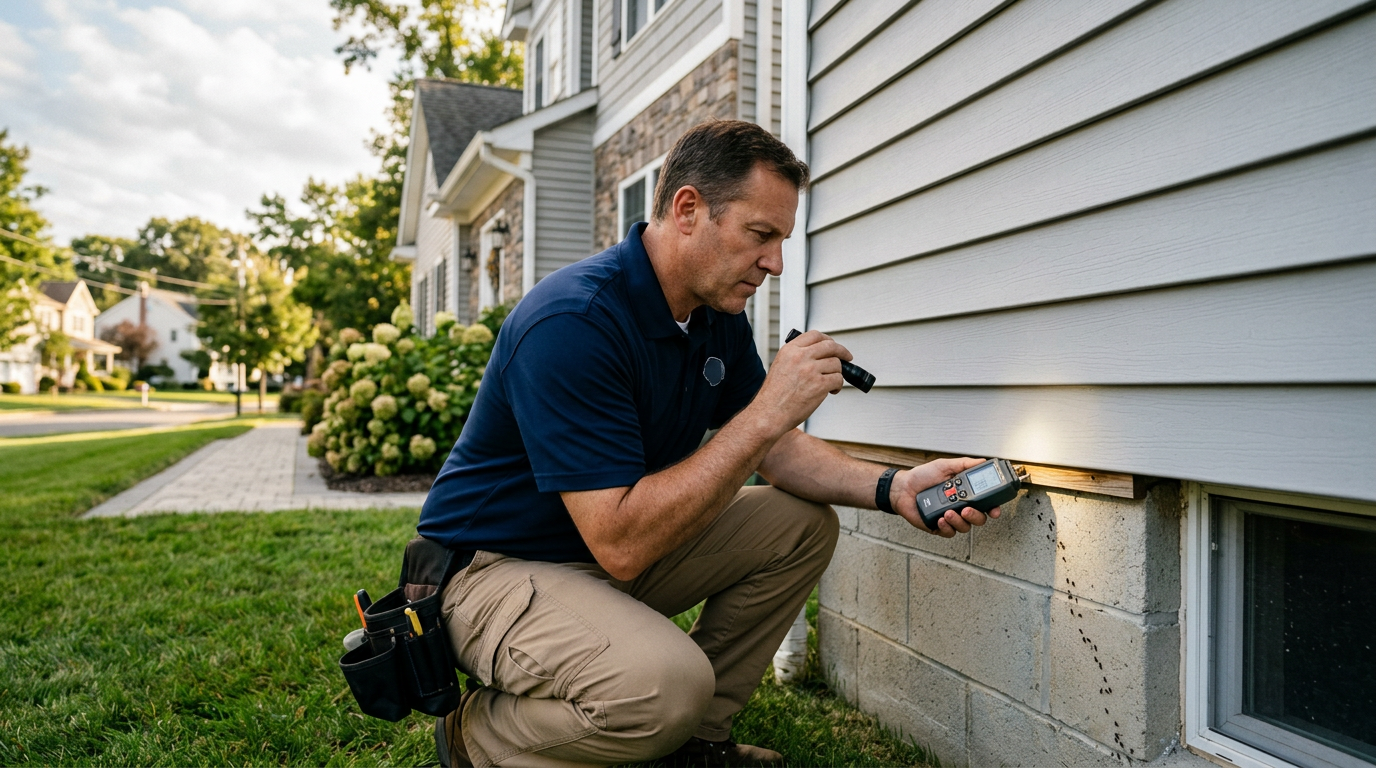
- Moisture Indicators: Ants, particularly carpenter ants, are strongly attracted to damp or decaying wood. An inspector will look for signs of moisture intrusion, such as water stains on interior walls or ceilings, efflorescence on foundation walls, or visible wood rot on exterior trim, fascia, or siding. We utilize tools like moisture meters to detect elevated moisture levels in materials that may not show visible signs of dampness.
- Structural Vulnerabilities: We meticulously examine the home’s exterior for potential entry points. This includes assessing the condition of the siding, foundation, window and door frames, and utility penetrations. Gaps, cracks, or deterioration in these areas can serve as highways for ants into your home.
- Wood-to-Soil Contact: Any direct contact between wooden structural components (like siding, deck posts, or porch supports) and the soil is a significant red flag. This provides an easy bridge for ants and other pests, and also promotes moisture absorption and wood decay.
The Siding Connection: Moisture Intrusion and Ant Habitats
Your home’s siding is its primary defense against the elements. When its integrity is compromised, it can become a direct pathway for moisture and, consequently, ants.
- Damaged Siding and Moisture: Cracks, holes, loose panels, or deteriorated caulking in siding allow rainwater to penetrate the wall cavity. This trapped moisture can lead to wood rot in the sheathing, framing, or insulation behind the siding. Carpenter ants do not eat wood, but they excavate tunnels in damp, decaying wood to create nests, weakening the structure.
- Flashing Failures: Proper roof flashing and flashing around windows, doors, and other penetrations are critical for diverting water. Missing, damaged, or improperly installed flashing can direct water behind the siding, creating ideal damp conditions for ants.
- Grading and Drainage: The ground around your home should slope away from the foundation to ensure proper grading and drainage. Poor grading, clogged gutters, or downspouts discharging too close to the foundation can lead to water pooling, saturating the soil, and wicking moisture into the foundation and lower sections of siding. This creates a perpetually damp environment that attracts ants and other pests.
- Crawlspaces and Attics: These often-overlooked areas can be prime locations for ant activity, especially if moisture is present. Leaky plumbing in a crawlspace, inadequate ventilation, or roof leaks in an attic can create damp conditions. Inspectors will access these areas (if safely accessible) to look for signs of moisture, wood decay, and pest activity.
Technical Considerations in Ant-Related Inspections
Our inspection process involves a systematic evaluation using both visual assessment and specialized tools:
- Visual Inspection: A meticulous visual scan of all siding surfaces, paying close attention to seams, corners, trim, and areas around openings. We look for subtle signs of deterioration, such as paint blistering, discoloration, or subtle warping that could indicate underlying moisture.
- Moisture Meters: Non-invasive and invasive moisture meters are invaluable for detecting elevated moisture content in wood, drywall, and other materials. This helps confirm suspicions of moisture intrusion even when no visible water stains are present.
- Foundation and Perimeter Assessment: Examining the foundation for cracks, gaps, or areas where the siding meets the foundation. We also check for debris, leaf litter, or overgrown vegetation that can trap moisture against the house and provide cover for ants.
- Utility Penetrations: All areas where utilities (electrical conduits, plumbing pipes, HVAC lines) enter the home are scrutinized for proper sealing. Gaps here are common entry points for pests.
Common Defects and Red Flags
When an inspector observes these issues, they are flagged as potential concerns that could contribute to ant infestations:
- Siding Damage: Cracked, warped, loose, or missing siding panels; deteriorated caulk at seams or around openings; evidence of wood rot on trim boards, fascia, or soffits.
- Foundation Issues: Cracks in the foundation, especially those extending below grade; efflorescence (white, powdery residue) indicating moisture wicking; wood-to-soil contact.
- Drainage Problems: Gutters overflowing or clogged; downspouts discharging water directly against the foundation; negative grading where soil slopes towards the house.
- Interior Moisture Signs: Water stains on ceilings, walls, or floors; musty odors; soft or spongy flooring; visible mold growth.
- Pest Evidence: Actual ant trails, frass (fine sawdust-like material expelled by carpenter ants), small piles of wood shavings, or visible ant nests.
Common Homeowner Mistakes That Obstruct Inspection
To ensure a thorough inspection that can identify ant-conducive conditions, homeowners should avoid these common pitfalls:
- Blocked Access: Cluttering crawlspaces, attics, or utility areas (like electrical service panels or plumbing shutoffs) prevents the inspector from evaluating these critical zones where ants might harbor or moisture issues originate.
- Overgrown Landscaping: Bushes, trees, or vines touching the siding or roof can trap moisture, obscure damage, and provide direct bridges for ants to access the home.
- Ignoring Minor Leaks: A small drip under a sink or a slow roof leak might seem insignificant but can create persistent dampness that attracts pests.
- Concealing Issues: Painting over water stains or attempting quick, cosmetic fixes without addressing the underlying problem can mislead an inspection and delay proper remediation.
- Pets Left Loose: While not directly related to ants, loose pets can distract the inspector or limit access to certain areas, potentially causing an important observation to be missed.
Repair Cost vs. Benefit & Negotiation Implications
Addressing issues that attract ants, particularly those related to siding and moisture, before an inspection can significantly benefit sellers and provide peace of mind for buyers. Proactive repairs demonstrate diligence and can prevent these items from appearing as defects in an inspection report.
For sellers, resolving issues like damaged siding, poor drainage, or active moisture intrusion can reduce the likelihood of repair requests, credits, or price concessions during negotiation. A home free of pest-conducive conditions presents better and often commands a higher perceived value.
For buyers, understanding the root cause of an ant problem (e.g., damaged siding) allows for informed decisions. It shifts the focus from merely ‘getting rid of ants’ to investing in a durable solution that protects the home’s structural integrity and prevents future infestations. The cost of repairing damaged siding or improving drainage, while potentially significant, is often a sound investment compared to ongoing pest control treatments and potential structural damage if left unaddressed.
Printable Home Inspection Checklist: Ant Prevention & Detection
Use this actionable checklist to proactively inspect your home for conditions that attract ants and prepare for a professional home inspection.
- Exterior Assessment:
- Inspect all siding for cracks, holes, loose panels, or signs of rot.
- Check caulk around windows, doors, and utility penetrations for deterioration.
- Ensure all roof flashing is intact and properly installed, especially around chimneys and vents.
- Verify gutters are clean and downspouts extend at least 5-10 feet away from the foundation.
- Confirm that the ground slopes away from the foundation on all sides (positive grading).
- Remove any wood-to-soil contact, such as landscaping timbers or debris against the foundation.
- Trim back trees and shrubs so they do not touch the house or roof.
- Interior Moisture Check:
- Look for water stains on ceilings, walls, and floors, especially near exterior walls or plumbing fixtures.
- Check under sinks for leaks or signs of moisture.
- Ensure proper ventilation in bathrooms and kitchens to reduce humidity.
- Inspect the attic (if accessible) for roof leaks, moisture, or signs of pest activity.
- Inspect the crawlspace (if accessible) for standing water, excessive moisture, or wood decay.
- Ant-Specific Observations:
- Note any visible ant trails, especially near food sources, water, or exterior walls.
- Look for small piles of sawdust-like material (frass) near baseboards, window sills, or wood elements.
- Check areas where food is stored or prepared for ant activity.
- Preparation for Inspection:
- Clear access to all mechanical systems (HVAC, water heater), electrical panels, and attic/crawlspace entry points.
- Ensure all utilities (water, electricity, gas) are turned on if access to systems requiring them is needed.
- Inform your inspector of any known pest issues or past water leaks.
When to Call a Specialist
While a home inspector identifies conducive conditions, certain situations warrant the expertise of a licensed specialist:
- Pest Control Professional: If you have an active, ongoing ant infestation, especially carpenter ants, a licensed pest control professional is essential for proper identification and eradication. They can determine the species, locate nests, and apply targeted treatments.
- Siding Contractor: For significant damage to your home’s siding, including widespread rot, large cracks, or missing sections, a qualified siding contractor can assess the extent of the damage and perform necessary repairs or replacement.
- Moisture Remediation Specialist: If the inspection reveals extensive moisture intrusion or hidden water damage behind walls, a moisture remediation specialist can identify the source, dry out affected areas, and prevent mold growth.
- General Contractor: For complex issues involving multiple systems or structural repairs stemming from prolonged moisture damage or pest activity, a general contractor can coordinate the necessary trades.
- Plumber/Roofer: If the moisture source is identified as a plumbing leak or a roof defect, a licensed plumber or roofer should be consulted for repairs.
Remember, a home inspector provides a snapshot of the home’s condition at the time of inspection. Their findings regarding ants and conducive conditions are a valuable guide for further investigation and remediation by qualified specialists.
Frequently Asked Questions (FAQs)
Q1: Does a home inspection include pest control?
A1: No, a standard home inspection does not include pest control or pest eradication. A home inspector observes and reports on visible evidence of pests and conditions conducive to pest infestations, such as moisture intrusion or structural vulnerabilities. For active infestations, a separate pest inspection by a licensed pest control professional is recommended.
Q2: What’s the difference between regular ants and carpenter ants during an inspection?
A2: While an inspector notes the presence of any ants, carpenter ants are a particular concern because they tunnel into wood, potentially causing structural damage. An inspector looks for signs like frass (sawdust-like debris) or larger ants, which might indicate carpenter ant activity. However, definitive identification and treatment are roles for a pest control specialist.
Q3: Can damaged siding really cause an ant problem?
A3: Absolutely. Damaged siding, whether from cracks, holes, or loose panels, allows moisture to penetrate the wall cavity. This creates damp, decaying wood, which is highly attractive to carpenter ants for nesting. Other ant species can also use these openings as easy entry points into your home in search of food or shelter.
Q4: How important is proper grading and drainage for preventing ants?
A4: Proper grading and drainage are extremely important. When water pools near the foundation due to poor grading or clogged gutters, it saturates the soil and can lead to moisture wicking into the foundation and lower sections of siding. This consistent dampness creates an ideal environment for ants and other pests, making it easier for them to access your home.
Q5: If an inspector finds ants, does that mean I shouldn’t buy the house?
A5: Not necessarily. The presence of ants, like many inspection findings, should be evaluated in context. The inspector will identify the conditions that attracted the ants. If these conditions (e.g., a small siding repair, improved drainage) are addressable, the issue can often be resolved. It’s crucial to get estimates for repairs and pest treatment to make an informed decision and potentially negotiate with the seller.
Official Reference: For additional context, consult InterNACHI home inspection guidance.
Official Reference: For additional context, consult ASHI inspection standards and guidance.