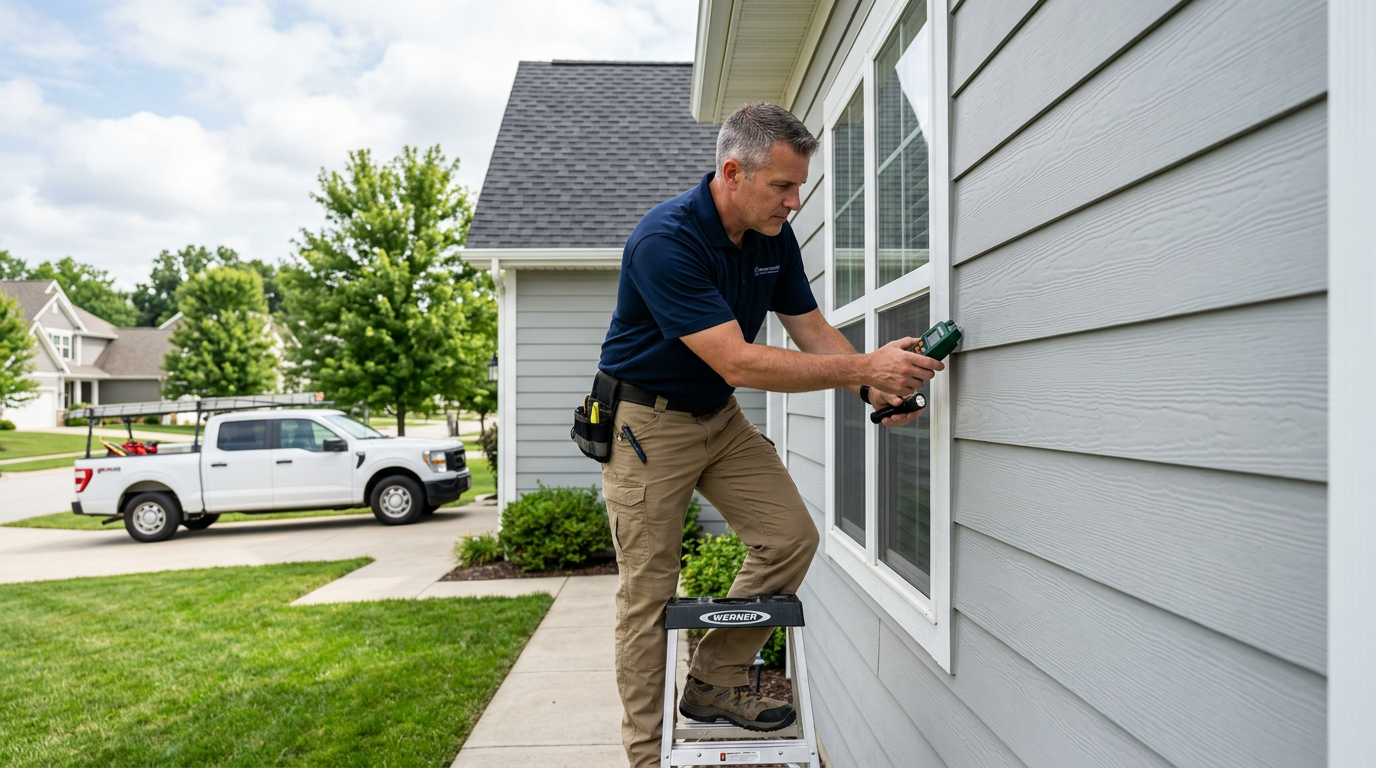
Fiber cement siding is a highly durable and aesthetically versatile exterior cladding material, prized for its resistance to fire, pests, and rot. When a professional home inspector evaluates a property featuring fiber cement siding, the primary focus is on identifying proper installation, assessing current condition, and detecting any signs of moisture intrusion or damage that could compromise the home’s envelope. Unlike traditional wood or vinyl, fiber cement has specific requirements for installation and maintenance, and an inspector’s role is to uncover deviations from these standards that could lead to significant issues for homeowners. Complete Guide to How to Get Rid of Gnats in the House: An Inspector’s Perspective on Moisture, Siding, and Home Health Complete Guide to How to Get Rid of Ants in the House: An Inspector’s Perspective on Siding and Moisture Management The Definitive Guide to Siding Replacement: Inspection, Evaluation, and Actionable Steps Complete Guide to Siding for House Inspection
Understanding Fiber Cement Siding: An Inspector’s Perspective
Fiber cement siding, often recognized by brand names like HardiePlank, is a composite material made from cement, sand, and cellulose fibers. Its popularity stems from its longevity, low maintenance, and ability to mimic the appearance of wood siding, brick, or stucco. However, its performance is heavily reliant on correct installation and ongoing care.
As an experienced home inspection educator, I emphasize that while fiber cement is robust, it is not impervious to problems. Our inspection process goes beyond a superficial visual check, employing a systematic approach to evaluate the integrity of the entire siding system.
What a Home Inspector Looks For: Technical Considerations
A thorough inspection of fiber cement siding involves a detailed examination of several key areas:
- Installation Quality: This is paramount. We look for adherence to manufacturer specifications and general building practices. Key elements include proper overlap (lap siding), correct fastening (nails or screws), and appropriate clearances. For instance, fiber cement siding should typically have a minimum 6-inch clearance from grade (ground level) and 1-2 inches from hard surfaces like driveways or patios to prevent moisture wicking.
- Flashing and Sealants: Critical for moisture management. We meticulously inspect kick-out flashing at roof-to-wall intersections, flashing around windows and doors, and at inside and outside corners. Any missing, improperly installed, or damaged flashing is a significant red flag for potential moisture intrusion. Caulk and sealants at butt joints, trim boards, and around penetrations (e.g., dryer vents, hose bibs) are checked for integrity and signs of failure.
- Condition of the Material: We examine the siding for physical damage such as cracks, chips, delamination (layers separating), or impact damage. While fiber cement is tough, it can crack if struck by a hard object or if fasteners are overdriven. We also look for efflorescence, a white powdery substance indicating moisture migration through the material, and signs of paint failure like peeling, blistering, or chalking, which can suggest underlying moisture issues or poor surface preparation.
- Moisture Intrusion: This is a primary concern. Beyond visual cues like staining or efflorescence, inspectors may use a non-invasive moisture meter to detect elevated moisture levels behind the siding, particularly in vulnerable areas like below windows, at corners, or near the foundation. Elevated moisture readings can indicate active leaks or chronic water exposure that could lead to rot in the sheathing or framing.
- Integration with Other Components: The siding system must work in harmony with other exterior elements. This includes proper integration with the roof system (e.g., drip edges, gutters), window and door frames, and the foundation. We assess the grading and drainage around the home to ensure water is directed away from the foundation and siding, preventing splash-back and prolonged moisture exposure.
- Fasteners: Overdriven or underdriven fasteners can compromise the siding’s integrity. Overdriven fasteners can crack the material or break the bond, while underdriven ones can allow moisture entry. We also look for ‘nail pops’ which can indicate movement or improper installation.
Common Defects and Red Flags in Fiber Cement Siding
Understanding these common issues helps homeowners and prospective buyers identify potential problems:
- Cracks and Chips: Often caused by impact, improper handling during installation, or thermal expansion/contraction if not installed with adequate gaps. Small cracks can allow water intrusion.
- Paint Failure: Peeling, blistering, or chalking paint can indicate moisture trapped behind the siding, poor quality paint, or inadequate surface preparation before painting. This compromises the siding’s protective layer.
- Missing or Failed Caulk/Sealants: Gaps at butt joints, around windows, doors, and trim are direct pathways for water to penetrate the wall assembly.
- Inadequate Clearance from Grade/Roof: Fiber cement siding should not be in direct contact with soil, concrete, or roofing materials. This allows moisture to wick up into the siding and potentially the wall structure, leading to deterioration and pest attraction.
- Damaged or Missing Flashing: Especially critical at roof-to-wall intersections (kick-out flashing), window heads, and corner boards. Without proper flashing, water can bypass the siding and enter the wall cavity.
- Biological Growth: Mold, mildew, or algae growth on the siding can indicate prolonged moisture exposure, poor ventilation, or lack of maintenance. While fiber cement itself is rot-resistant, the sheathing behind it is not.
- Efflorescence: White, powdery deposits are mineral salts left behind when water evaporates from the siding. This is a clear sign of moisture moving through the material.
- Pest Infestation: While fiber cement is pest-resistant, moisture-damaged areas behind the siding can attract termites or other wood-destroying insects to the underlying wood structure.
Repair and Specialist Guidance
Addressing fiber cement siding issues promptly is crucial for maintaining the home’s integrity and value.
- Minor Repairs: Small cracks can often be sealed with appropriate caulk. Peeling paint may require scraping, priming, and repainting. These are often DIY-friendly or can be handled by a skilled handyman.
- Moderate Repairs: Replacing individual damaged planks requires specialized tools and knowledge to ensure proper cutting, fastening, and sealing without damaging adjacent pieces. This is typically best left to a siding contractor.
- Major Issues: Widespread moisture intrusion, significant structural damage behind the siding, or extensive delamination often necessitate evaluation by a qualified siding specialist or a general contractor experienced in exterior envelope repairs. If moisture readings are consistently high, a InterNACHI home inspector may recommend further invasive investigation by a qualified building envelope consultant to determine the extent of damage and identify the source of the leak.
Always ensure that any repairs maintain the manufacturer’s warranty and adhere to local building codes, which can be referenced through resources like the International Code Council (ICC).
Common Homeowner Mistakes Obstructing Siding Inspection
Homeowners can inadvertently hinder a thorough siding inspection, leading to incomplete findings or missed issues:
- Overgrown Landscaping: Shrubs, bushes, or vines planted too close to the house can obscure significant portions of the siding, preventing visual inspection and trapping moisture against the material.
- Stored Items Against the Foundation: Piles of firewood, garden tools, or debris against the exterior walls block access and can hide signs of damage, pest activity, or improper clearances.
- Uncleaned Gutters and Downspouts: Clogged gutters can cause water to overflow directly onto the siding, leading to premature deterioration and moisture intrusion. An inspector can’t fully assess the impact if the gutters are actively overflowing.
- Freshly Painted Over Damage: While a fresh coat of paint can improve aesthetics, painting over existing damage (e.g., rotted trim, unsealed cracks) without proper repair can mask underlying problems, making them harder for an inspector to detect.
- Lack of Access to Crawlspaces/Attics: While not directly siding-related, inaccessible interior spaces can prevent an inspector from checking for signs of moisture intrusion that may originate from or manifest behind the siding.
Repair Cost vs. Benefit & Negotiation
Addressing visible fiber cement siding issues before a home inspection can significantly benefit sellers. Minor repairs, such as re-caulking gaps, cleaning off biological growth, or replacing a single damaged plank, are often inexpensive but can prevent a buyer from perceiving a larger, more costly problem. A well-maintained exterior signals to prospective buyers that the home has been cared for, potentially reducing the number of repair requests, credits, or price concessions during negotiations.
Conversely, neglecting obvious siding defects can lead to buyers overestimating the repair costs, requesting significant price reductions, or even walking away from a deal. While an inspector’s role is not to provide repair estimates, their report will highlight deficiencies, and buyers will often seek quotes from contractors who may err on the side of caution, leading to higher perceived costs. Proactive maintenance and repairs demonstrate good stewardship and can lead to a smoother transaction.
Printable Home Inspection Checklist: Fiber Cement Siding
Use this checklist to prepare for your inspection or to conduct your own preliminary assessment of fiber cement siding:
- Clear the Perimeter: Ensure all landscaping is trimmed back at least 12-18 inches from the siding. Remove any stored items or debris from against the foundation walls.
- Check Clearances: Verify siding has at least 6 inches of clearance from grade and 1-2 inches from hard surfaces like patios or driveways.
- Inspect for Damage: Look for any visible cracks, chips, impact damage, or delamination on the siding planks.
- Evaluate Paint Condition: Check for peeling, blistering, or chalking paint, which could indicate moisture issues.
- Examine Caulk and Sealants: Inspect all caulk joints around windows, doors, trim, and butt joints for cracks, gaps, or deterioration.
- Verify Flashing: Ensure all flashing (especially kick-out flashing, window/door head flashing) is present, properly installed, and in good condition.
- Look for Moisture Signs: Search for water stains, efflorescence, or biological growth (mold/mildew) on the siding.
- Assess Gutters and Downspouts: Confirm gutters are clear of debris and downspouts direct water away from the foundation, ideally at least 5-6 feet.
- Check for Fastener Issues: Look for nail pops, overdriven, or underdriven fasteners.
- Review Manufacturer Guidelines: If possible, review the manufacturer’s installation and maintenance guidelines for your specific fiber cement product.
Frequently Asked Questions About Fiber Cement Siding Inspection
Q1: How long does fiber cement siding typically last?
Fiber cement siding is known for its longevity, often lasting 30 to 50 years or even longer with proper installation and maintenance. Many manufacturers offer warranties for 30 to 50 years. Its lifespan is significantly impacted by installation quality, climate, and ongoing care.
Q2: Is fiber cement siding prone to mold or mildew?
While fiber cement itself is inorganic and resistant to mold and mildew growth, the surface can still accumulate dirt, pollen, and organic debris that can foster growth. Persistent mold or mildew often indicates prolonged moisture exposure, poor ventilation, or a lack of routine cleaning, which can lead to issues with the underlying wall sheathing.
Q3: What causes fiber cement siding to crack?
Cracks in fiber cement siding can be caused by several factors, including impact damage (e.g., from hail, thrown objects), improper fastening (overdriven nails), insufficient expansion gaps during installation, or structural movement of the house. Thermal expansion and contraction can also contribute if not properly accounted for.
Q4: Can I paint fiber cement siding myself?
Yes, fiber cement siding can be painted by homeowners, but proper preparation is key. The surface must be clean, dry, and free of chalking or loose paint. Using high-quality exterior acrylic latex paint is recommended. For best results and to maintain warranties, it’s often advisable to consult with a professional painter or the siding manufacturer’s guidelines.
Q5: What are the most critical red flags an inspector looks for with fiber cement siding?
The most critical red flags are signs of moisture intrusion, such as significant water staining, efflorescence, or elevated moisture meter readings, especially in conjunction with damaged or missing flashing. Improper clearances from grade or hard surfaces, and widespread cracking or delamination, also indicate potentially serious issues that could compromise the home’s structural integrity and lead to costly repairs.
Official Reference: For additional context, consult InterNACHI home inspection guidance.
Official Reference: For additional context, consult ASHI inspection standards and guidance.