When a home inspection identifies issues requiring gas furnace repair, it signals potential concerns with a property’s heating system that range from minor maintenance needs to critical safety hazards. For homeowners, prospective buyers, and real estate professionals, understanding these findings is paramount. A professional home inspection provides a crucial snapshot of the furnace’s visible condition and operational performance at the time of inspection, highlighting areas that may need immediate attention or further evaluation by a qualified HVAC specialist. This guide will equip you with the knowledge to interpret inspection reports, recognize red flags, and navigate the necessary steps for effective gas furnace repair and maintenance. Complete Guide to Sprinkler System Installation: Inspection Findings, Maintenance, and Repair Considerations Complete Guide to Sprinkler System Repair: Inspection Findings and Next Steps Complete Guide to the ‘Rule of the Right Hand’ and ‘Maypole’ in Home Inspection Complete Guide to Heating System Installation Inspections
What a Home Inspector Looks For in a Gas Furnace
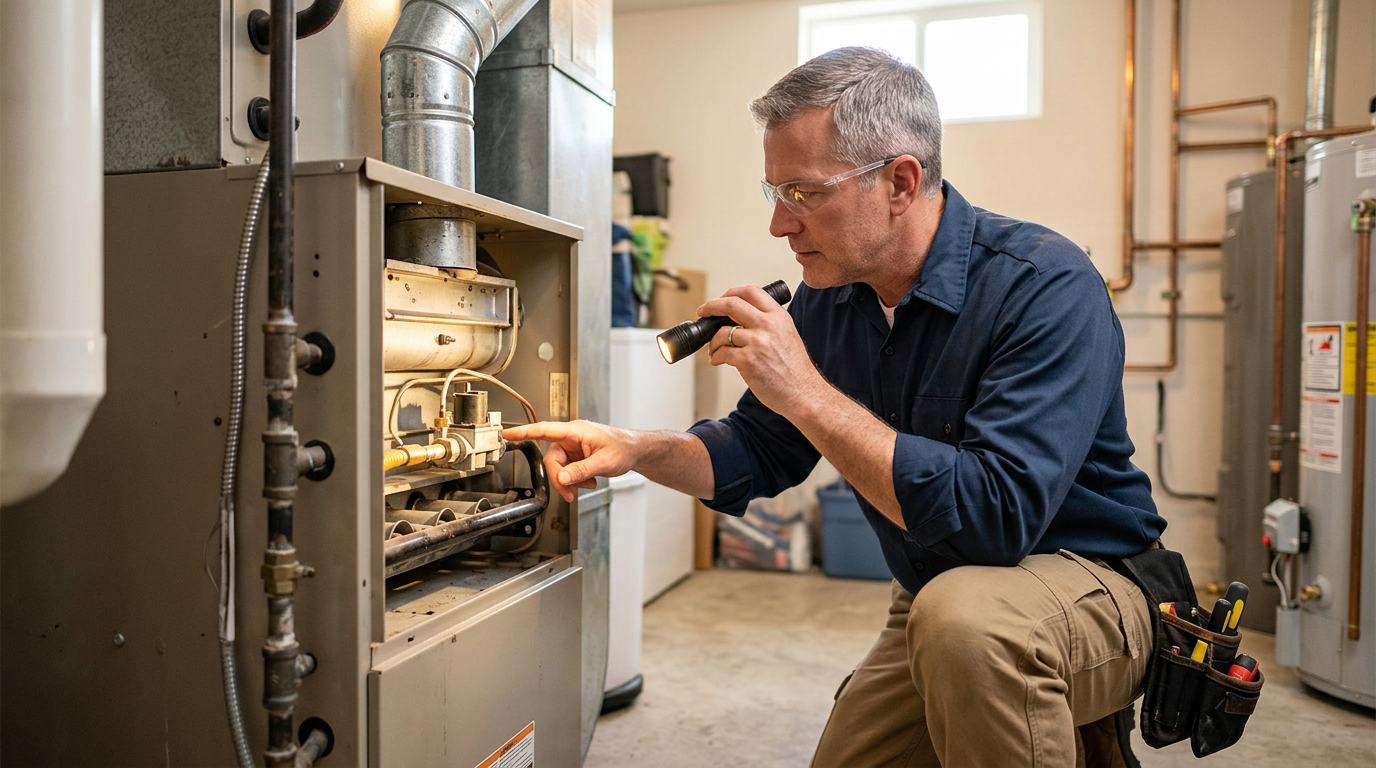
During a home inspection, the gas furnace is a key component of the HVAC system that receives thorough scrutiny. While a home inspector does not perform a diagnostic or invasive evaluation, they conduct a visual and operational assessment to identify readily observable defects and potential safety concerns. This includes:
Operational Check and Performance
- Thermostat Functionality: Verifying that the thermostat can initiate and terminate heating cycles.
- Ignition Sequence: Observing the furnace’s startup, including the igniter or pilot light, and burner ignition.
- Heat Output: Measuring the temperature differential between the supply and return air to ensure adequate heating capacity. A typical temperature rise for a gas furnace is between 30-60 degrees Fahrenheit.
- Blower Operation: Checking that the blower motor engages and moves air effectively through the ductwork.
Visible Components and Safety Features
- Heat Exchanger: A critical component. Inspectors look for visible signs of rust, corrosion, or soot accumulation, which can indicate potential cracks. While a cracked heat exchanger cannot be definitively confirmed without specialized testing, these visual cues are significant red flags.
- Burner Assembly: Examining the burners for proper flame appearance (typically blue with minimal yellow tipping) and cleanliness. Soot or irregular flames can indicate improper combustion.
- Flue Pipe/Vent System: Assessing the condition, proper slope, and secure connections of the exhaust vent pipe that carries combustion gases out of the home. Inspectors look for rust, disconnections, or blockages.
- Gas Line and Connections: Visually inspecting the gas supply line, shut-off valve, and connections for leaks (though a home inspector does not typically use a gas leak detector unless a strong odor is present).
- Electrical Connections: Checking for secure wiring, proper grounding, and the presence of a clearly labeled emergency shut-off switch.
- Air Filter: Evaluating the cleanliness and proper installation of the air filter. A dirty filter restricts airflow and can lead to system inefficiency or damage.
- Condensate Drain (for high-efficiency furnaces): Inspecting the drain line for clogs, leaks, or improper pitching.
- Safety Controls: While not fully testing all internal safety controls, the inspector notes if the furnace cycles off properly and if any visible safety devices (like limit switches) appear compromised.
- Combustion Air Supply: Ensuring adequate ventilation for proper combustion, especially in confined spaces.
Common Gas Furnace Defects and Red Flags
Identifying these issues during an inspection is crucial, as they can impact safety, efficiency, and lead to significant gas furnace repair costs:
Critical Safety Concerns
- Cracked Heat Exchanger: This is arguably the most serious defect. While an inspector cannot confirm a crack without specialized tools, visual indicators like rust, soot, or a persistent yellow flame are strong red flags. A cracked heat exchanger can allow deadly carbon monoxide (CO) gas to leak into the living space. The Consumer Product Safety Commission (CPSC) emphasizes the importance of CO detectors in homes.
- Improper Venting/Flue Pipe Issues: Disconnected, corroded, or improperly sloped flue pipes can lead to carbon monoxide backdrafting into the home. Signs include rust on the flue pipe, water stains near the furnace, or a strong exhaust odor.
- Gas Leaks: Although inspectors typically don’t use gas sniffers, a sulfur-like odor (rotten eggs) is an immediate emergency. Any visible damage to gas lines warrants immediate attention.
Performance and Efficiency Issues
- Dirty or Clogged Air Filter: Restricts airflow, reduces efficiency, and can cause the furnace to overheat or short cycle. This is a common and easily preventable issue.
- Soot Accumulation: Indicates incomplete combustion, often due to dirty burners, improper gas pressure, or inadequate combustion air. This reduces efficiency and can be a CO risk.
- Rust and Corrosion: Beyond the heat exchanger, rust on other components (e.g., blower motor housing, cabinet) can indicate past or present moisture intrusion, which can lead to premature component failure.
- Noisy Operation: Squealing (blower motor bearings), banging (ductwork expansion/contraction, or sometimes a delayed ignition), or rattling (loose components) can indicate mechanical problems.
- Short Cycling: The furnace turns on and off too frequently, which can be due to an oversized unit, thermostat issues, or a clogged filter. This reduces efficiency and component lifespan.
- Pilot Light Issues (older furnaces): If the pilot light frequently goes out, it could indicate a faulty thermocouple or gas supply problem.
- Faulty Ignition System (newer furnaces): If the furnace fails to ignite reliably, it could be a problem with the igniter, flame sensor, or control board.
Common Homeowner Mistakes That Obstruct or Limit Inspection
To ensure a comprehensive inspection of your gas furnace and the entire home, avoid these common pitfalls:
- Blocked Access: Ensure the furnace area is clear of stored items, boxes, and debris. Inspectors need at least 30 inches of clear working space in front of the furnace and access to all sides for a thorough visual assessment.
- Furnace Not Operational: If the gas supply is turned off, or the thermostat is set to ‘off’ or ‘cool’, the inspector cannot perform an operational test of the heating cycle. Ensure utilities are active and the thermostat is set to heat.
- Dirty Filters: While a dirty filter is a finding, an excessively clogged filter can prevent the inspector from running the furnace for an extended period, potentially masking other issues or causing the unit to shut down prematurely.
- Pilot Light Out: For older furnaces, if the pilot light is out, the inspector cannot test the unit without relighting it, which is typically outside the scope of a standard home inspection for safety and liability reasons.
- Locked Mechanical Rooms: If the furnace is in a locked utility closet or basement room, the inspector will not be able to access it.
Repair Cost vs. Benefit & Negotiation Implications
Addressing identified gas furnace repair needs before an inspection, or at least being aware of them, can significantly impact a property transaction. Proactive repairs demonstrate due diligence and can:
- Improve Property Presentation: A well-maintained and fully functional furnace is a selling point.
- Reduce Avoidable Repair Requests: Buyers are less likely to request credits or price concessions for issues already addressed.
- Prevent Larger Issues: Minor repairs, like replacing a dirty filter or cleaning burners, can prevent more costly breakdowns down the line. For example, a regularly serviced furnace operates more efficiently, saving on energy bills, as highlighted by the U.S. Department of Energy.
When gas furnace repair items appear on an inspection report, it’s essential for all parties to evaluate them fairly and professionally. Critical safety issues, such as a suspected cracked heat exchanger or gas leaks, often warrant immediate attention and can be significant negotiation points. Minor maintenance items, while important, may be less impactful. The goal is to reach a reasonable agreement that reflects the property’s true condition and ensures the safety and functionality of its heating system.
When to Call a Specialist for Gas Furnace Repair
A home inspection identifies conditions; it does not diagnose or prescribe repairs. When a gas furnace issue is noted, a qualified specialist is almost always the next step.
- Licensed HVAC Technician: For any operational issues, suspected heat exchanger problems, burner issues, flue pipe concerns, or general furnace servicing. They have the specialized tools (e.g., combustion analyzers, gas leak detectors, boroscopes for heat exchangers) and expertise to diagnose and safely repair gas furnaces.
- Licensed Plumber (Gas Fitter): If the issue specifically involves the gas supply line leading to the furnace, such as a suspected leak or improper installation of the gas piping.
- Licensed Electrician: If the problem is isolated to the furnace’s electrical supply, wiring, or a specific circuit breaker impacting the unit.
Always choose a licensed and insured professional. For critical safety concerns like suspected carbon monoxide leaks, evacuate the premises and contact your gas utility company and emergency services immediately.
Printable Home Inspection Checklist: Gas Furnace Preparation & Evaluation
Use this checklist to prepare for an inspection or to conduct your own preliminary assessment of your gas furnace:
- Ensure Clear Access: Remove all items obstructing the furnace, including storage, laundry, or furniture. Provide at least 30 inches of clear space around the unit.
- Verify Utilities Are On: Confirm that the gas supply and electrical power to the furnace are active.
- Set Thermostat to Heat: Ensure the thermostat is set to a temperature above the current room temperature to allow the furnace to cycle on.
- Check Air Filter: Replace or clean the air filter if it’s dirty. Note the date of the last filter change.
- Listen for Unusual Noises: Pay attention to any banging, squealing, rattling, or grinding sounds during operation.
- Observe Flame Color: When the furnace is running, look for a steady blue flame. Yellow or flickering flames can indicate issues. (Do NOT attempt to open the combustion chamber on sealed units).
- Inspect Flue Pipe: Visually check the exhaust pipe for rust, disconnections, or sagging.
- Look for Rust/Soot: Examine the exterior of the furnace and around the heat exchanger area for signs of rust or soot.
- Check for Water Leaks: Especially for high-efficiency furnaces, inspect the condensate drain line for clogs or leaks.
- Ensure CO Detectors are Present and Functional: Verify that working carbon monoxide detectors are installed near sleeping areas and on every level of the home.
- Locate Emergency Shut-Offs: Know where the gas shut-off valve and electrical disconnect switch for the furnace are located.
- Document Maintenance History: Gather any records of past furnace servicing or repairs.
Frequently Asked Questions About Gas Furnace Repair and Inspections
Q1: Is a cracked heat exchanger always a reason to replace the entire furnace?
A1: In most cases, yes. A cracked heat exchanger is a severe safety hazard due to the risk of carbon monoxide leakage. Repairing a cracked heat exchanger is often not feasible or cost-effective, and replacement of the entire furnace is typically recommended by HVAC professionals.
Q2: How often should I have my gas furnace professionally serviced?
A2: It is highly recommended to have your gas furnace professionally serviced by a qualified HVAC technician at least once a year, ideally before the heating season begins. Regular maintenance helps ensure safe operation, optimal efficiency, and can identify potential gas furnace repair needs before they become major problems.
Q3: What are the most common reasons for a gas furnace to stop working?
A3: Common reasons include a dirty air filter, a malfunctioning thermostat, a faulty igniter or pilot light, a clogged condensate drain (in high-efficiency units), or issues with the flame sensor or control board. Many of these issues can be relatively simple gas furnace repairs, but some require professional diagnosis.
Q4: Can a home inspector detect a carbon monoxide leak from a furnace?
A4: A home inspector will visually inspect for signs that could indicate a potential carbon monoxide (CO) leak, such as soot or rust on the heat exchanger or flue pipe. While some inspectors may carry CO detectors, their primary role is not to perform CO testing. Homeowners should always have working CO detectors installed in their homes as a primary safety measure.
Q5: What’s the difference between a furnace inspection and a furnace tune-up?
A5: A home inspection includes a visual and operational assessment of the furnace as part of the overall home system check, identifying readily observable defects. A furnace tune-up (or preventative maintenance) by an HVAC technician is a more in-depth service that involves cleaning, adjusting, and testing various components to optimize performance, efficiency, and safety, often including combustion analysis and detailed safety checks. A tune-up is a diagnostic and maintenance service, whereas an inspection is a general condition assessment.