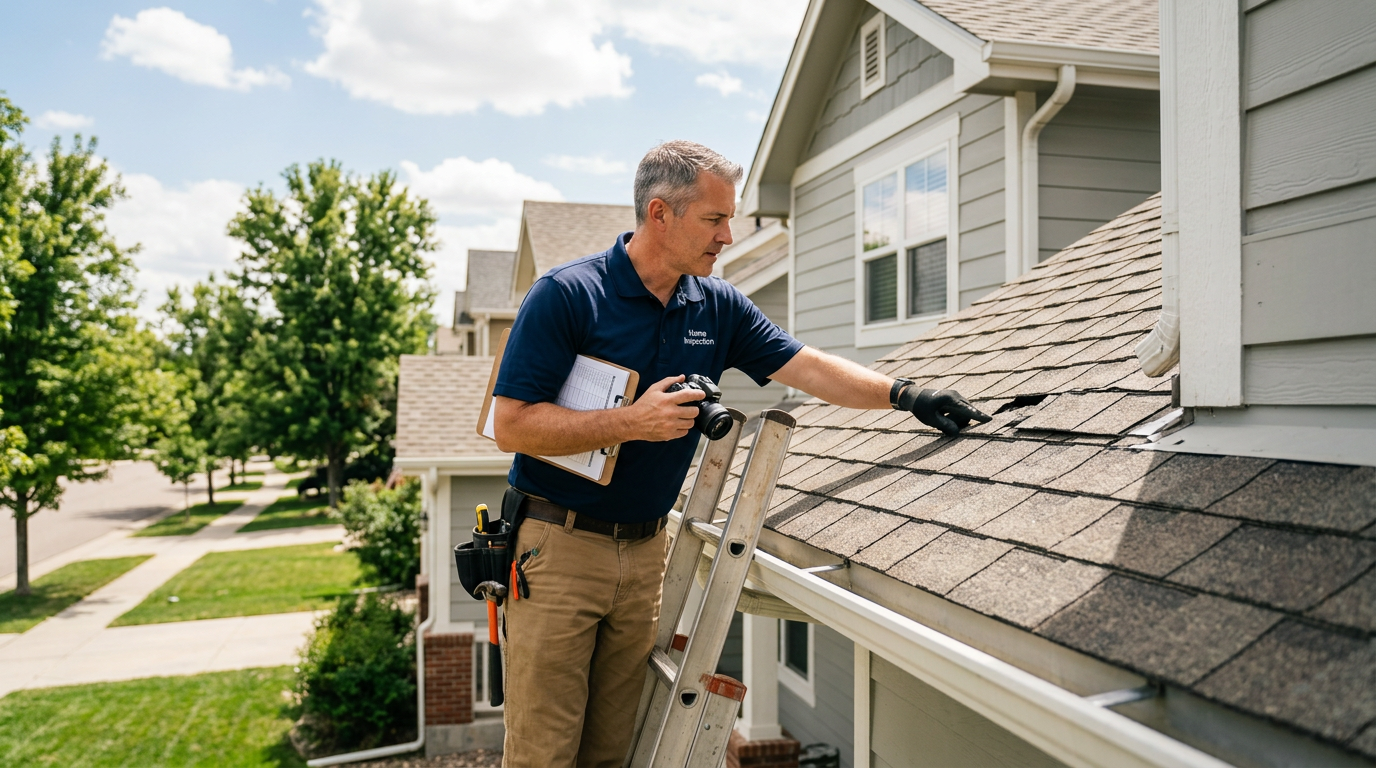
A roof leak is more than just an annoyance; it’s a critical structural and environmental threat to any home. Prompt and effective roof leak repair is paramount to preventing extensive damage, including compromised structural integrity, mold growth, damaged insulation, and deteriorated interior finishes. For homeowners, prospective buyers, and sellers, understanding the nuances of roof leaks—from detection during a home inspection to the implications of repair—is essential. This guide provides an expert-level overview, detailing what a professional home inspector looks for, common red flags, practical evaluation methods, and the necessary steps to address and prevent future leaks.
Understanding Roof Leaks: What an Inspector Looks For
A professional home inspection meticulously examines the roofing system to identify current or potential points of moisture intrusion. This involves a multi-faceted approach, assessing both the exterior roof components and interior indicators within the attic and living spaces. Complete Guide to Sprinkler System Installation: Inspection Findings, Maintenance, and Repair Considerations Complete Guide to Sprinkler System Repair: Inspection Findings and Next Steps Complete Guide to the ‘Rule of the Right Hand’ and ‘Maypole’ in Home Inspection Complete Guide to Heating System Installation Inspections
Exterior Roof Assessment
Inspectors will typically walk the roof, if safely accessible, or use binoculars and drone technology to observe the following:
- Roofing Materials: They examine the condition of asphalt shingles (missing, cracked, curled, blistered, excessive granule loss), tiles (cracked, loose, dislodged), metal panels (rust, loose seams, punctures), and flat/low-slope membranes (ponding water, tears, blisters, failed seams). Each material has specific failure modes that can lead to leaks.
- Flashing: This is one of the most common sources of leaks. Inspectors pay close attention to flashing around chimneys, skylights, vent pipes, valleys, and wall intersections. They look for signs of improper installation, corrosion, cracking, lifting, or inadequate sealant, which can create direct pathways for water.
- Vent Boots: The rubber or plastic seals around plumbing vent pipes often degrade over time due to UV exposure, leading to cracks that allow water to penetrate.
- Skylights: Seals around the glass, flashing at the curb, and the overall installation are checked for signs of water penetration or previous repairs.
- Gutters and Downspouts: While not part of the roof itself, clogged or damaged gutters can cause water to back up under shingles or overflow, leading to fascia and soffit damage, and ultimately, roof edge leaks. Poor grading and drainage around the foundation can also exacerbate issues by not diverting water away from the home.
- Soffit and Fascia: These components are examined for water stains, rot, or deterioration, which can indicate roof edge leaks or issues with attic ventilation.
Interior & Attic Inspection for Leak Indicators
Inside the home, especially in the attic, inspectors look for the tell-tale signs of current or past moisture intrusion:
- Attic Sheathing: Water stains, discoloration, or rot on the underside of the roof deck (sheathing) are critical indicators. Even dry stains suggest a past or intermittent leak.
- Insulation: Damp, compressed, or discolored attic insulation loses its R-value and can harbor mold.
- Moisture Meters: Professional inspectors utilize moisture meters to detect elevated moisture levels in suspected areas of ceilings, walls, and attic sheathing, even when no visible water is present. This tool is invaluable for identifying hidden moisture intrusion.
- Mold and Mildew: Any visible mold or musty odors in the attic or upper living spaces are strong indicators of ongoing moisture problems.
- Interior Ceilings and Walls: Water stains, peeling paint, sagging drywall, or plaster damage are direct consequences of roof leaks.
Common Defects, Red Flags, and Their Implications
Identifying these specific issues can help homeowners and buyers understand the severity and potential costs associated with roof leaks:
- Visible Water Stains (Even Dry): A red flag indicating past or intermittent leakage. While not actively dripping, it means the roof has failed at some point and the underlying issue may still exist or recur.
- Active Drips or Puddles: An urgent defect requiring immediate attention. This signifies an ongoing leak that is actively damaging the home.
- Soft Spots on Roof Decking: Detected by walking the roof, these indicate rotted sheathing, which compromises the structural integrity of the roof and requires professional repair or replacement of the affected decking.
- Missing or Damaged Flashing: A critical defect. Flashing is designed to divert water away from vulnerable areas. Its failure guarantees water intrusion.
- Excessive Granule Loss on Shingles: For asphalt shingle roofs, this is a sign of advanced wear and aging. While not a direct leak, it indicates the roof is nearing the end of its serviceable life and is more susceptible to leaks.
- Cracked or Missing Shingles/Tiles: Direct entry points for water, especially during wind-driven rain.
- Mold or Fungal Growth: Beyond a cosmetic issue, mold indicates persistent moisture and can pose significant health risks, requiring professional remediation.
- Sagging Roofline: A severe red flag that could indicate significant structural damage to the roof framing due to prolonged water exposure and rot. This often requires evaluation by a structural engineer.
Common Homeowner Mistakes That Obstruct Inspections
To ensure a thorough and accurate inspection, homeowners should avoid these common pitfalls:
- Inaccessible Attic: If the attic access is blocked by stored items or locked, the inspector cannot fully evaluate the underside of the roof deck for leaks, ventilation issues, or damaged insulation.
- Cluttered Roof Access: Overhanging tree branches, debris on the roof, or unsecured ladders can prevent safe access for a comprehensive exterior inspection.
- Blocked Gutters: Allowing gutters to be full of leaves and debris can mask underlying drainage issues and prevent the inspector from seeing how water is managed (or mismanaged) at the roof edge.
- Ignoring Known Leaks: Attempting quick, cosmetic fixes to hide water stains without addressing the source will likely be discovered and can erode trust during a transaction.
- Utilities Turned Off: While less common for roof inspections, ensuring all utilities are on allows for a complete assessment of all home systems, including those that might be affected by or related to roof issues (e.g., HVAC components in the attic).
Repair Cost vs. Benefit & Negotiation Implications
Addressing roof leaks promptly offers significant benefits that far outweigh the costs of neglect. A small, localized leak repair might cost a few hundred dollars, whereas prolonged water intrusion can lead to thousands in structural repairs, mold remediation, and interior damage. For sellers, proactively repairing known leaks before an inspection can significantly improve the property’s presentation, reduce the likelihood of major findings on the inspection report, and strengthen their negotiation position. It demonstrates due diligence and can prevent buyers from requesting larger credits or price reductions based on perceived extensive damage. For buyers, understanding the scope and potential cost of a detected leak allows for informed negotiation, whether seeking a price adjustment, repair credit, or requiring the seller to complete repairs by a qualified professional.
Repair & Specialist Guidance
The nature of a roof leak often dictates the type of professional required for repair:
- Professional Roofer: For most roof leak repairs, a licensed and insured roofer is essential. They have the expertise to diagnose the exact source of the leak, whether it’s flashing issues, damaged shingles, vent boot replacement, or membrane repair on a flat roof. They understand roofing systems and materials, ensuring repairs are durable and code-compliant (refer to International Code Council (ICC) standards).
- Structural Engineer: If the inspection reveals significant sagging of the roofline, compromised trusses, or extensive rot in the roof framing due to long-term water damage, a structural engineer should be consulted to assess the integrity and recommend appropriate structural repairs.
- Mold Remediation Specialist: If mold growth is extensive or suspected to be toxic, a certified mold remediation specialist is necessary to safely and effectively remove the mold and address the underlying moisture source.
- General Contractor: For interior damage such as ceiling repair, drywall replacement, painting, or insulation replacement, a general contractor can coordinate the various trades needed.
- HVAC Technician: If attic-mounted HVAC components, ductwork, or air handlers show signs of water damage from a roof leak, an HVAC technician should inspect and repair them to ensure proper function and prevent further issues.
Printable Home Inspection Checklist: Addressing Roof Leaks
Use this actionable checklist to prepare for or respond to roof leak findings during a home inspection:
- Before the Inspection (Sellers/Homeowners):
- ☐ Clear attic access points of any obstructions.
- ☐ Ensure safe access to the exterior roof (e.g., trim overhanging branches, clear debris).
- ☐ Clean gutters and downspouts to ensure proper drainage.
- ☐ Address any known, minor leaks with temporary fixes if a professional repair isn’t feasible before the inspection, but be transparent about them.
- ☐ Ensure all utilities are active, especially if attic HVAC components are present.
- During the Inspection (Buyers/Sellers):
- ☐ Point out any areas of concern or known past leaks to the inspector.
- ☐ Ask questions about any observed water stains or roof defects.
- ☐ Understand the inspector’s findings regarding the roof’s condition and potential leak sources.
- After the Inspection (Buyers/Sellers):
- ☐ Carefully review the inspection report for all roof-related findings, especially those indicating moisture intrusion.
- ☐ Obtain multiple quotes from licensed roofers for any recommended repairs.
- ☐ If structural damage or extensive mold is noted, consult a structural engineer or mold remediation specialist.
- ☐ Prioritize repairs based on severity and potential for further damage.
- ☐ For buyers, use the inspection findings to inform negotiation strategies with the seller.
- ☐ For homeowners, schedule regular roof maintenance, including gutter cleaning and visual inspections, to prevent future leaks.
Frequently Asked Questions About Roof Leaks and Inspections
Q1: How much does roof leak repair typically cost?
A: The cost of roof leak repair varies widely depending on the source, severity, and roofing material. Minor repairs, like replacing a few shingles or sealing a small flashing crack, might range from $200 to $600. More complex issues involving extensive flashing replacement, skylight repair, or significant decking rot can range from $800 to several thousand dollars. A full roof replacement, if the leak is a symptom of an end-of-life roof, can be $10,000 to $30,000 or more.
Q2: Can a home inspector tell me the exact source of an intermittent roof leak?
A: While a home inspector is highly skilled at identifying signs of current or past leaks and often can pinpoint the likely source (e.g., damaged flashing, vent boot), diagnosing the exact entry point of an intermittent leak that isn’t active during the inspection can be challenging. They will use tools like moisture meters to confirm moisture and note all visible deficiencies. For precise diagnosis of an elusive leak, a qualified roofer may need to perform a water test or more in-depth investigation.
Q3: What if the inspection report notes a ‘past leak’ but it appears dry now?
A: A ‘past leak’ finding, even if dry, is still a significant red flag. It indicates that the roof system has failed at some point, and while the visible water may have dried, the underlying cause might still exist or could recur. The inspector will note the visible damage (e.g., water stains on sheathing or ceiling) and recommend further evaluation by a qualified roofer to determine if the issue has been properly resolved or if it’s an intermittent problem.
Q4: How can I prevent roof leaks in the future?
A: Regular maintenance is key. This includes annual or semi-annual gutter cleaning, trimming overhanging tree branches, inspecting the roof for damaged or missing shingles after severe weather, and ensuring proper attic ventilation. Periodically checking flashing around penetrations and skylights for signs of wear can also help prevent leaks. Consider a professional roof inspection every few years, especially for older roofs.
Q5: Is a roof leak always a major problem?
A: Not always initially, but any roof leak has the potential to become a major problem if neglected. Even a small, slow leak can lead to significant damage over time, including wood rot, compromised insulation, electrical hazards (if water contacts wiring), and extensive mold growth. Addressing even minor leaks promptly is crucial to prevent escalation and costly secondary damage.