Understanding the intricacies of a home inspection report is paramount for anyone involved in a property transaction. It’s not merely a checklist of defects, but a comprehensive assessment designed to provide a snapshot of the property’s condition at a specific moment in time. For prospective buyers, it’s a vital tool for informed decision-making; for sellers, an opportunity to address issues proactively; and for current homeowners, a roadmap for preventative maintenance. This guide will equip you with the knowledge to interpret inspection findings, understand their practical implications, and navigate the subsequent steps with confidence. Complete Guide to how to clean houseAdd tag Complete Guide to Home Inspectors: Understanding Their Role, Findings, and Value The ‘Swedish Death Cleaning’ Approach to Home Inspection Preparation: A Complete Guide Complete Guide to Lenigh Panel Inspection: What Home Inspectors Look For
The Home Inspection: Beyond the Surface
A professional home inspection, conducted by a qualified and often state-licensed inspector, is a non-invasive visual examination of the accessible systems and components of a home. The goal is to identify material defects, safety hazards, and conditions that may require significant repair or further evaluation by a specialist. Inspectors adhere to recognized standards of practice, such as those set forth by InterNACHI or ASHI, which define the scope and limitations of the inspection.
What a Home Inspector Evaluates
Inspectors systematically examine the major systems and components of a home, including:
- Structural Components: Foundation, framing, floors, walls, ceilings, and roof structure. Inspectors look for signs of settlement, cracking, water damage, or compromised integrity.
- Exterior: Siding, trim, windows, doors, decks, driveways, walkways, and crucial exterior grading and drainage. They assess for proper installation, damage, and water intrusion points.
- Roofing: Roof covering materials, flashings, chimneys, skylights, gutters, and downspouts. Key concerns include leaks, material degradation, and proper roofing installation.
- Plumbing System: Water supply and distribution, drain, waste, and vent systems, water heaters (including electric tankless water heaters), and fixtures. Inspectors check for leaks, proper function, and adequate water pressure.
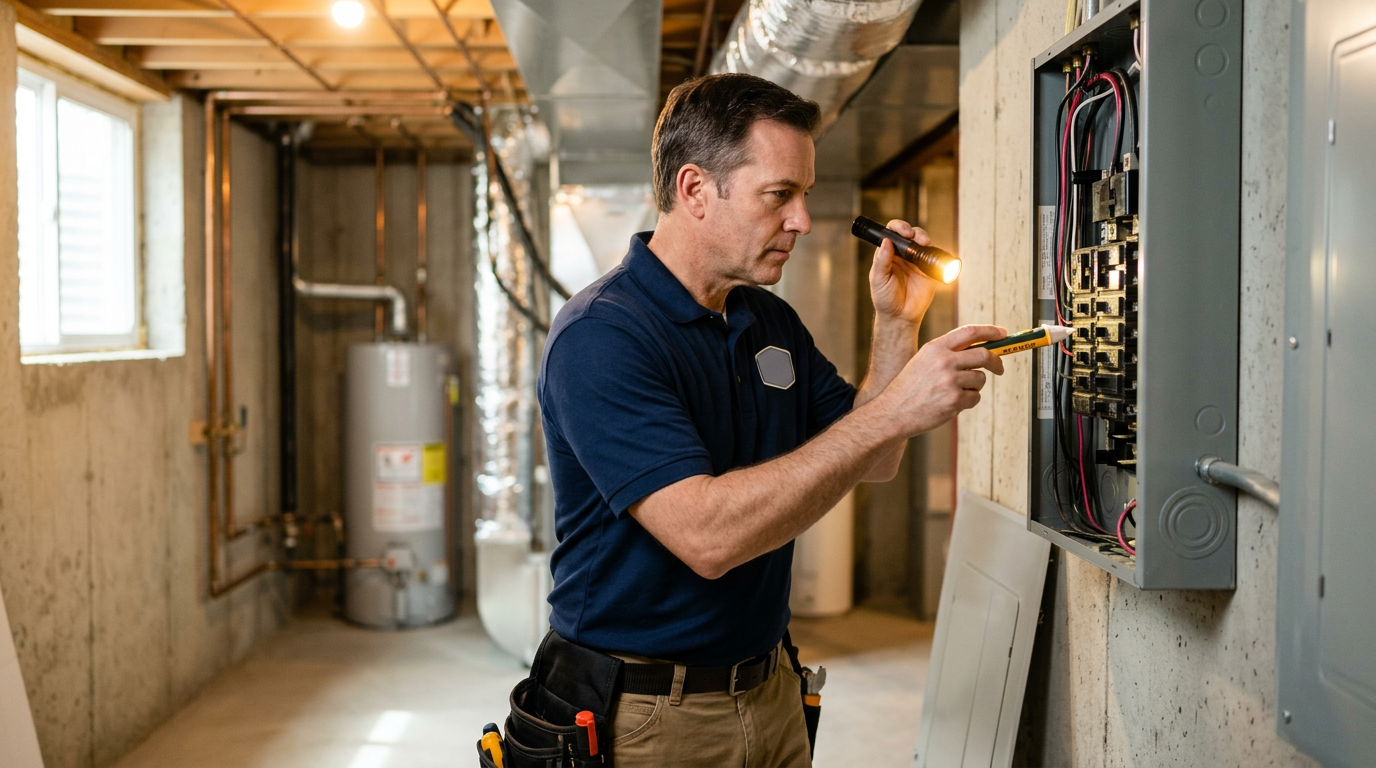
- Electrical System: Service entrance conductors, service panels, grounding, branch circuit wiring, outlets (including GFCI receptacles), switches, and lighting fixtures. Safety is paramount, with focus on proper wiring, overcurrent protection, and potential fire hazards.
- Heating, Ventilation, and Air Conditioning (HVAC): Heating and cooling equipment, distribution systems, and thermostats. Inspectors assess operational function, visible condition, and signs of deferred maintenance.
- Interior: Walls, ceilings, floors, doors, windows, stairs, railings, and built-in appliances. They look for general condition, safety issues, and signs of moisture.
- Insulation and Ventilation: In attics, crawlspaces, and unfinished basements. This includes assessing insulation types and R-values, as well as proper ventilation to prevent moisture and energy loss.
- Fireplaces and Solid Fuel Burning Appliances: Chimney, firebox, damper, and hearth.
It’s crucial to understand that an inspection is visual and non-destructive. Inspectors will not move furniture, open walls, or dismantle systems. They report on the condition of readily accessible components.
Technical Considerations and Practical Evaluation
When an inspector identifies an issue, their report will typically describe the component, the observed condition, and the implication. Here’s a deeper look into common findings and their practical evaluation:
Moisture Intrusion and Water Damage
What the Inspector Looks For: Stains on ceilings or walls, efflorescence on masonry, musty odors, visible mold growth (mold removal and inspection findings), and soft or deteriorated building materials. They often use specialized tools like moisture meters to detect elevated moisture levels in walls, floors, or ceilings that may not be visible to the naked eye. They also assess exterior grading and drainage to ensure water flows away from the foundation.
Why it Matters: Moisture intrusion is a leading cause of structural damage, wood rot, pest infestations, and indoor air quality issues (e.g., mold). It can compromise the integrity of framing, flooring, and finishes.
Red Flags: Active leaks, significant water staining, soft subflooring, or extensive mold. These indicate ongoing issues that require immediate attention.
Homeowner Observation: Regularly check under sinks, around toilets, and near windows for leaks. Observe your yard’s drainage during rain. Look for peeling paint or bubbling drywall.
Specialist Involvement: A licensed plumber for active leaks, a roofing contractor for roof leaks, or a mold remediation specialist if significant mold is present.
Electrical System Deficiencies
What the Inspector Looks For: Exposed wiring, ungrounded outlets in wet areas, improperly wired GFCI receptacles, overloaded circuits, double-tapped breakers in the electrical service panel, and outdated wiring (e.g., knob and tube, aluminum). They test a representative number of outlets for proper polarity and grounding.
Why it Matters: Electrical issues are significant fire and shock hazards. Outdated or improperly installed systems may not meet current safety standards.
Red Flags: Scorched outlets, flickering lights, frequently tripping breakers, or the absence of GFCIs in bathrooms, kitchens, and outdoor areas.
Homeowner Observation: Test GFCI outlets monthly. Note any outlets that feel warm to the touch or emit a burning smell. Ensure all outlets in wet areas are GFCI protected.
Specialist Involvement: A licensed electrician is essential for any electrical repairs or upgrades.
HVAC System Performance
What the Inspector Looks For: Proper operation of heating and cooling cycles, condition of the furnace and air conditioner units, visible ductwork, refrigerant lines, and condensate drainage. They check for adequate airflow and temperature differentials. For gas furnaces, they look for signs of rust, corrosion, or improper venting, which could indicate carbon monoxide risks.
Why it Matters: An inefficient or malfunctioning HVAC system can lead to high utility bills, poor indoor comfort, and potential safety hazards like carbon monoxide leaks from a gas furnace.
Red Flags: Units that don’t turn on, unusual noises, significant rust or corrosion, or inadequate heating/cooling output.
Homeowner Observation: Change air filters regularly. Listen for strange noises. Ensure condensate lines are clear and draining properly.
Specialist Involvement: A licensed HVAC technician for repairs, maintenance, or further diagnostic testing.
Roofing Integrity
What the Inspector Looks For: Condition of shingles (curling, cracking, missing), integrity of roof flashing around penetrations (chimneys, vents, skylights), proper sealing, and signs of granule loss. They also assess the condition of gutters and downspouts.
Why it Matters: The roof is the primary defense against weather. Compromised roofing leads to water intrusion, structural damage, and costly interior repairs.
Red Flags: Multiple missing or damaged shingles, significant granule loss, rusted or improperly installed flashing, or sagging sections of the roof.
Homeowner Observation: Periodically check for missing shingles after storms. Clear gutters of debris. Look for water stains on interior ceilings.
Specialist Involvement: A qualified roofing contractor for repairs or replacement.
Structural Concerns
What the Inspector Looks For: Cracks in the foundation, bowing walls, sagging floors or ceilings, uneven door/window frames, and signs of pest damage in accessible framing. In crawlspaces, they look for proper support, moisture, and ventilation.
Why it Matters: Structural issues can compromise the safety and stability of the entire home, leading to extensive and expensive repairs.
Red Flags: Large, continuous cracks in foundation walls, significant deflection in floor joists, or doors/windows that consistently stick or don’t close properly.
Homeowner Observation: Monitor cracks in foundation or interior walls. Note any new or expanding cracks. Check for soft spots in floors.
Specialist Involvement: A structural engineer for evaluation of significant cracks or settlement, or a foundation repair specialist.
Common Homeowner Mistakes That Obstruct Inspections
Preparing your home for an inspection is crucial for a thorough and accurate report. Avoiding these common mistakes can prevent delays and ensure the inspector has full access:
- Locked Access Points: Ensure all mechanical rooms, electrical panels, attic hatches, and crawlspace entries are unlocked and easily accessible.
- Blocked Panels and Equipment: Do not store boxes, furniture, or personal items directly against electrical service panels, water heaters, furnaces, or other major appliances. Inspectors need clear access to operate and inspect these components safely.
- Pets Left Loose: Secure pets in crates or remove them from the property. Loose pets can be a safety hazard for the inspector and a distraction, potentially limiting access to certain areas.
- Cluttered Basements/Crawlspaces: While inspectors won’t move heavy items, excessive clutter can prevent them from accessing walls, foundations, or utility lines. Keep pathways clear.
- Utilities Turned Off: Ensure all utilities (water, electricity, gas) are active. Inspectors need to test plumbing fixtures, electrical outlets, and HVAC systems. If utilities are off, these systems cannot be evaluated, leading to an incomplete inspection.
- Inaccessible Attic/Crawlspace: Clear any items blocking the access points to the attic or crawlspace. These areas are critical for assessing insulation, ventilation, and structural integrity.
- Unmaintained Yard/Exterior: Overgrown bushes or debris can obstruct the inspection of the foundation, siding, and exterior components. Trim vegetation away from the house.
Repair Cost vs. Benefit & Negotiation Implications
Addressing visible and accessible problems before an inspection can significantly improve the property’s presentation. For sellers, proactive repairs can reduce the number of items on the inspection report, potentially leading to fewer repair requests, credits, or price concessions during negotiations. For buyers, understanding the cost implications of findings is key to fair negotiation.
It’s important to differentiate between minor maintenance items and significant defects. A dripping faucet is a simple fix, while a compromised foundation requires substantial investment. An inspector’s report provides the factual basis for these discussions. While we cannot provide exact repair costs, understanding the scope of work (e.g., minor plumbing repair vs. full roof replacement) helps in evaluating the financial impact. Always obtain multiple quotes from qualified contractors for significant repairs.
The goal of negotiation, informed by the inspection report, should be a fair and professional resolution that reflects the true condition and value of the property.
Printable Home Inspection Checklist: Preparing for Your Inspection
Use this checklist to prepare your home for an inspection, ensuring a smooth process and a comprehensive report:
- Exterior & Grounds:
- Trim back shrubs and trees from the foundation and roofline.
- Ensure clear access to the exterior foundation walls.
- Clean gutters and downspouts.
- Confirm proper grading directs water away from the foundation.
- Clear pathways and driveways.
- Interior & Access:
- Unlock all doors, gates, and access panels (electrical, attic, crawlspace).
- Clear items away from the electrical service panel (minimum 3 feet clearance).
- Ensure clear access to the furnace, water heater, and air conditioning units.
- Remove items blocking attic access hatches and crawlspace entry points.
- Clear under sinks to allow access to plumbing.
- Ensure all windows and doors are accessible and operable.
- Utilities:
- Verify all utilities (electricity, water, gas) are turned on and functional.
- Ensure pilot lights are lit for gas appliances (furnace, water heater, stove).
- Safety & Pets:
- Secure all pets in a kennel or remove them from the property during the inspection.
- Ensure smoke detectors and carbon monoxide detectors are present and functional (test them if possible).
- General:
- Remove any items that could impede the inspector’s movement or access.
- Provide any documentation for recent repairs or system upgrades.
When to Call a Specialist
A home inspector identifies issues and recommends further evaluation by a qualified specialist when a condition is beyond the scope of a general home inspection or requires specialized expertise. Here are common scenarios:
- Licensed Electrician: For any significant electrical wiring concerns, service panel issues, or suspected hazards.
- Licensed Plumber: For active leaks, persistent drainage issues, low water pressure, or concerns with water heater function.
- HVAC Technician: For malfunctioning heating or cooling systems, unusual noises, or concerns about air quality or efficiency.
- Roofing Contractor: For significant roof damage, active leaks, or concerns about the remaining lifespan of the roof covering.
- Structural Engineer: For significant foundation cracks, bowing walls, sagging floors, or any signs of structural compromise.
- Radon Professional: If radon testing is recommended or desired, a certified radon measurement professional should be engaged.
- Pest Control Specialist: For evidence of wood-destroying insects (termites, carpenter ants) or other significant pest infestations.
- Mold Remediation Specialist: If significant mold growth is identified, particularly if it’s widespread or in inaccessible areas.
Always seek out licensed and insured professionals for these specialized evaluations and repairs.
Frequently Asked Questions (FAQs)
Q1: What is the difference between a home inspection and an appraisal?
A home inspection is an objective visual examination of the physical structure and systems of a house, from the roof to the foundation. Its purpose is to identify material defects and safety concerns. An appraisal, on the other hand, is an assessment of the property’s market value, typically for lending purposes, and focuses on comparable sales and property features that influence value.
Q2: Can a home inspector tell me if a house is up to current building codes?
Home inspectors report on the condition of the home at the time of inspection based on observable defects and safety concerns, adhering to a specific Standard of Practice. They do not typically perform code compliance inspections, as building codes are complex and constantly evolving. While an inspector may note conditions that appear to be code violations, their primary role is not to enforce codes but to identify material defects. For definitive code compliance, a municipal building inspector or a specialist familiar with local codes (e.g., an electrician for electrical code) would be required.
Q3: What if the inspection report finds many issues? Should I walk away from the purchase?
A home inspection report will almost always find issues, even in new construction. The key is to differentiate between minor maintenance items and significant defects that could be costly or pose safety risks. Don’t panic over a long list; instead, focus on the severity and implications of the findings. Discuss the report thoroughly with your inspector and real estate agent to understand the potential costs and risks. This information empowers you to negotiate repairs, request credits, or, if the issues are too severe, reconsider the purchase.
Q4: How long does a typical home inspection take?
The duration of a home inspection varies depending on the size, age, and condition of the property. Generally, a typical inspection for a single-family home can take anywhere from 2 to 4 hours. Larger homes, older homes, or those with complex systems (e.g., multiple HVAC units, extensive crawlspaces) may take longer.
Q5: Should I attend the home inspection?
Yes, it is highly recommended that you attend the home inspection, especially the latter part of it. This allows you to observe the inspector’s findings firsthand, ask questions, and gain a better understanding of the home’s condition and maintenance requirements. The inspector can point out issues in person, which often provides more clarity than just reading a report.